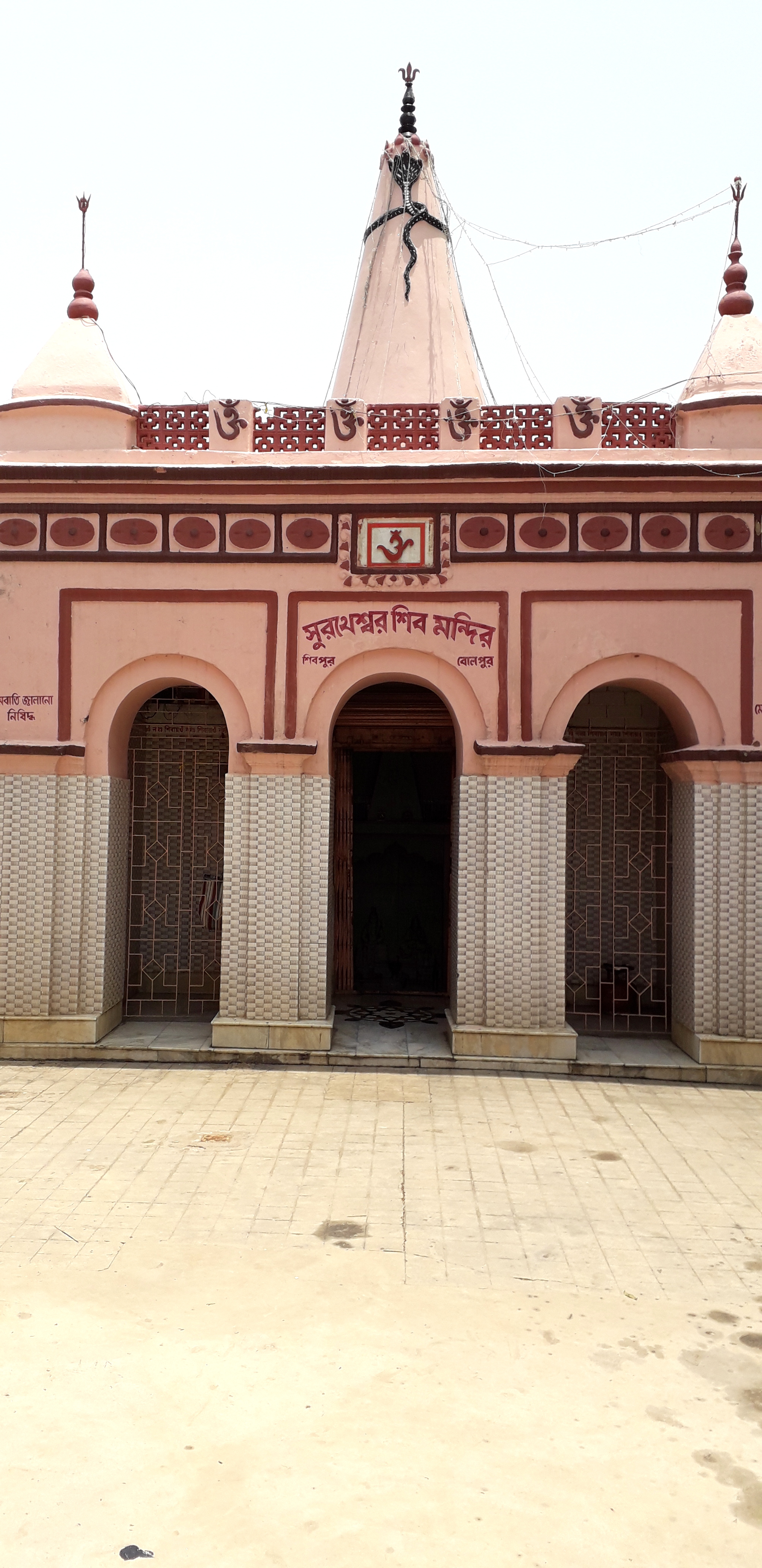
If you are in Bolur and want to spend some peaceful time with yourself ,then you may go to the Suratheswar Shiv Temple at Shibpur . The calm and quite atmosphere of the temple area will attract you definitely .
SURATHESWAR SHIV TEMPLE
We were on our way to Raipur when we came across this temple by the side of the road at Shibpur . The calm atmosphere caught our eyes and we decided to spend some time there .
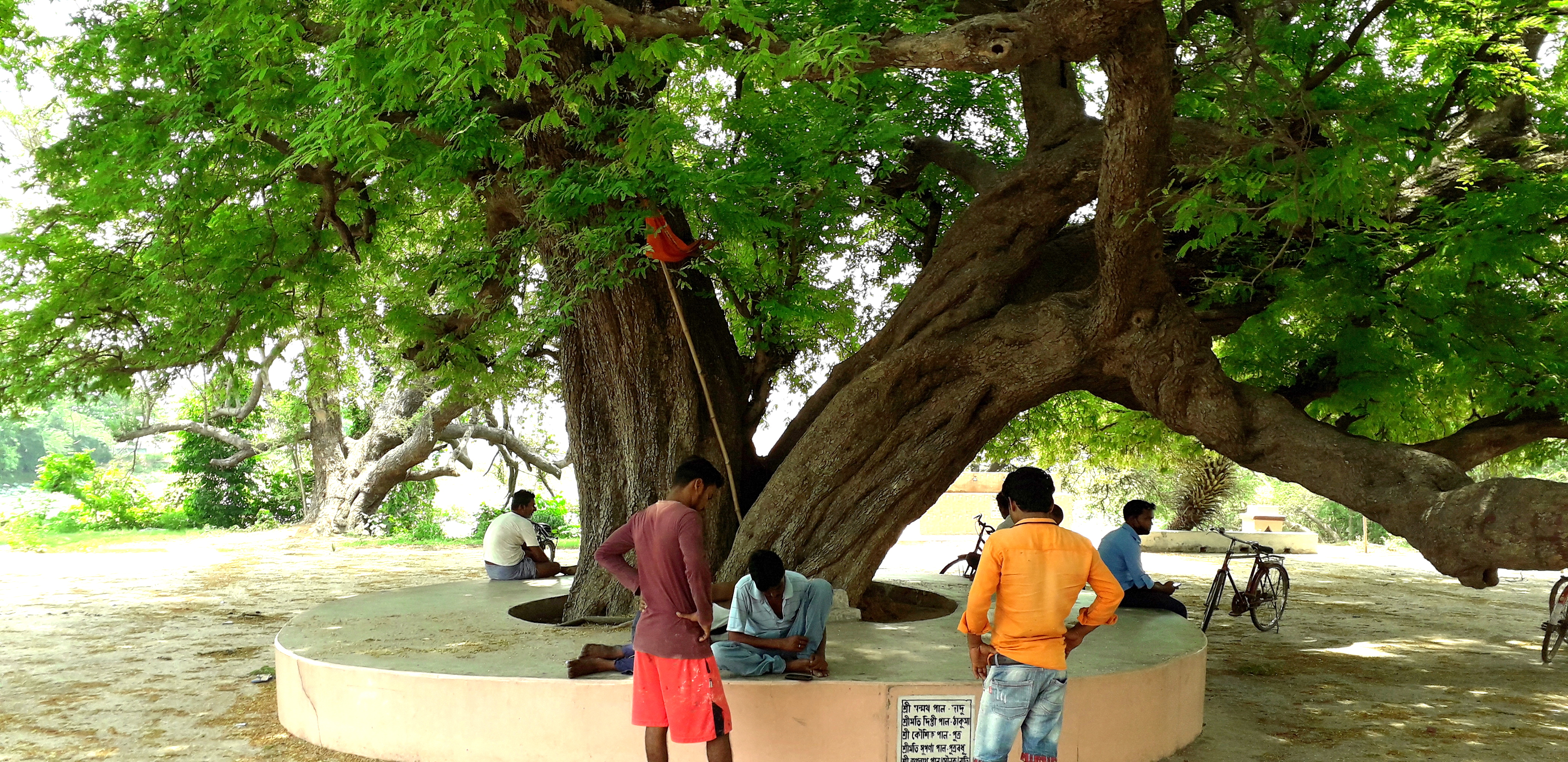
The temple has three domes .On the middle dome there is a snake figure symbolic of Lord Shiv .Above that there are the ghatas .Even above that there is the Trishul . The temple is quite small but its surrounding was very clean. A big tamarind tree was spreading its shade like umbrella in the hot summer . If you sit in the cool shade of the tree you can feel a little breeze to cool you further .People do come and sit to take some rest there sitting on the concrete seat around the tree.
TAMARIND TREE
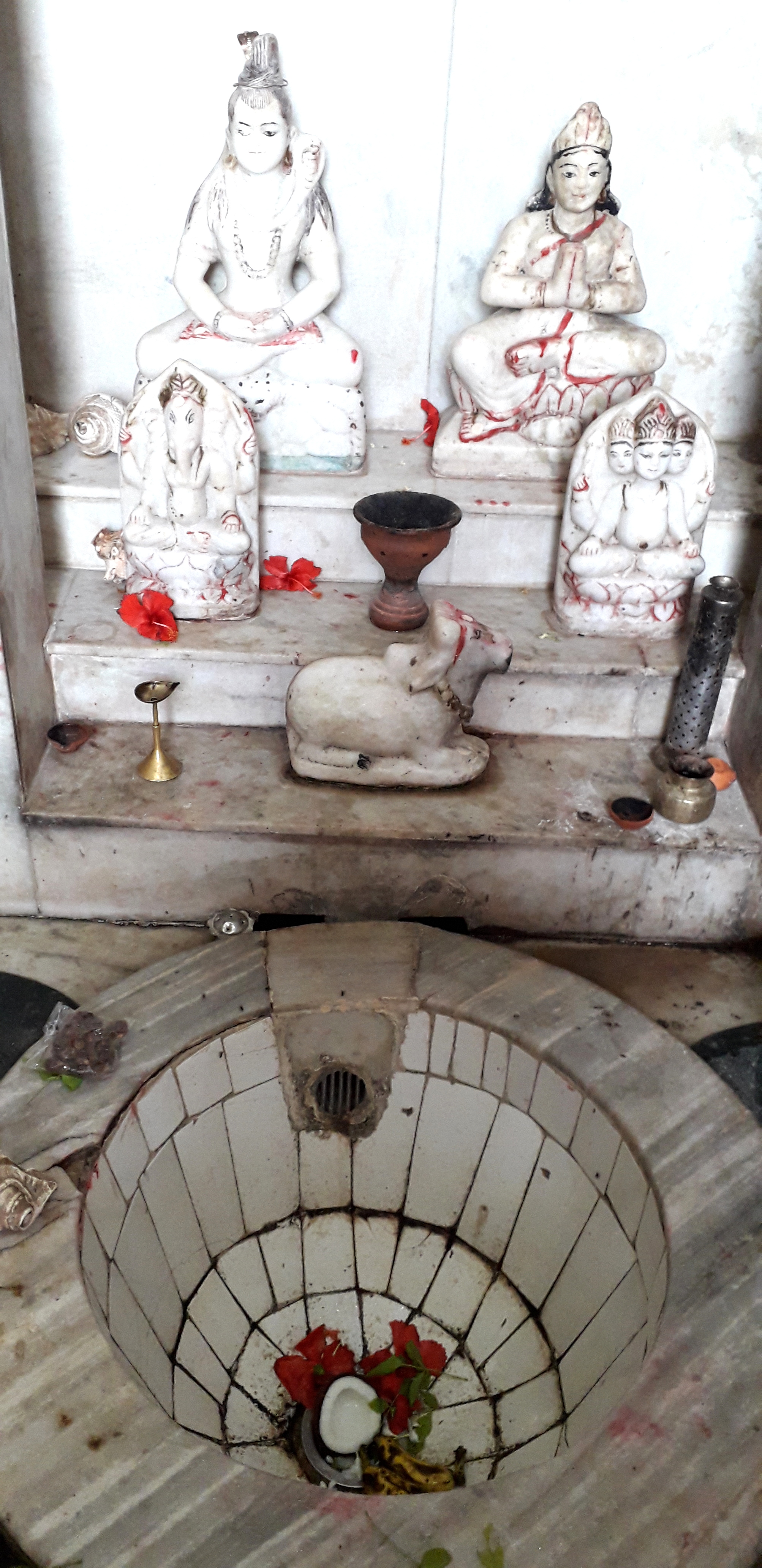
Inside of the temple is very small .One can notice the white marble statue of Lord Shiv and Goddess Parvati placed side by side . There is no Shiv linga inside the temple . In front of them Lord Ganesh is placed in the left and Lord Brahma is placed in the right .Even in front of them a statue of Nandi ,the bull of Lord Shiv is placed .
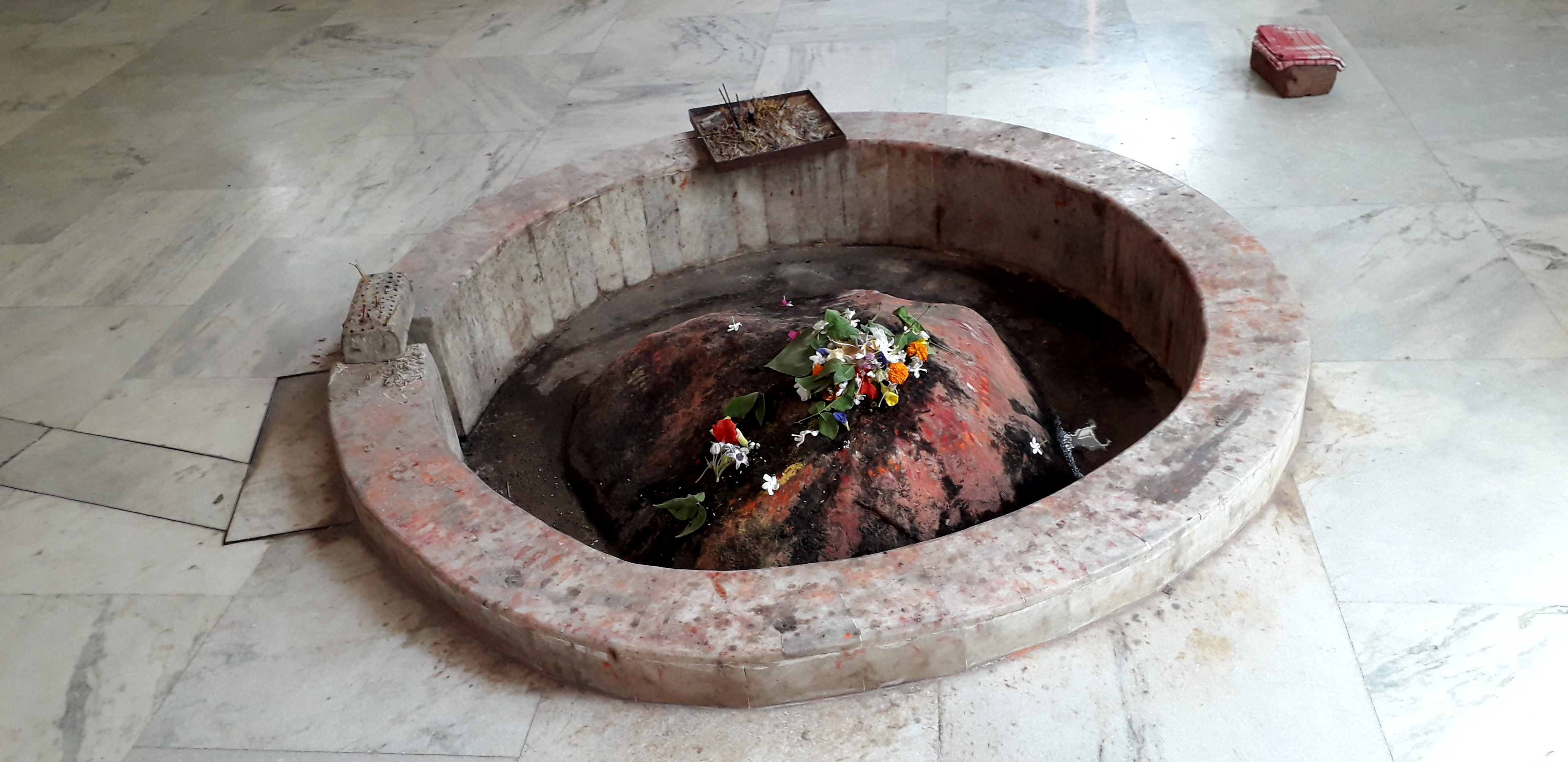
People pour milk and flower in the small round area symbolic of pond .This area is now plastered with white marble . It is connected with the outside pond through a drain .
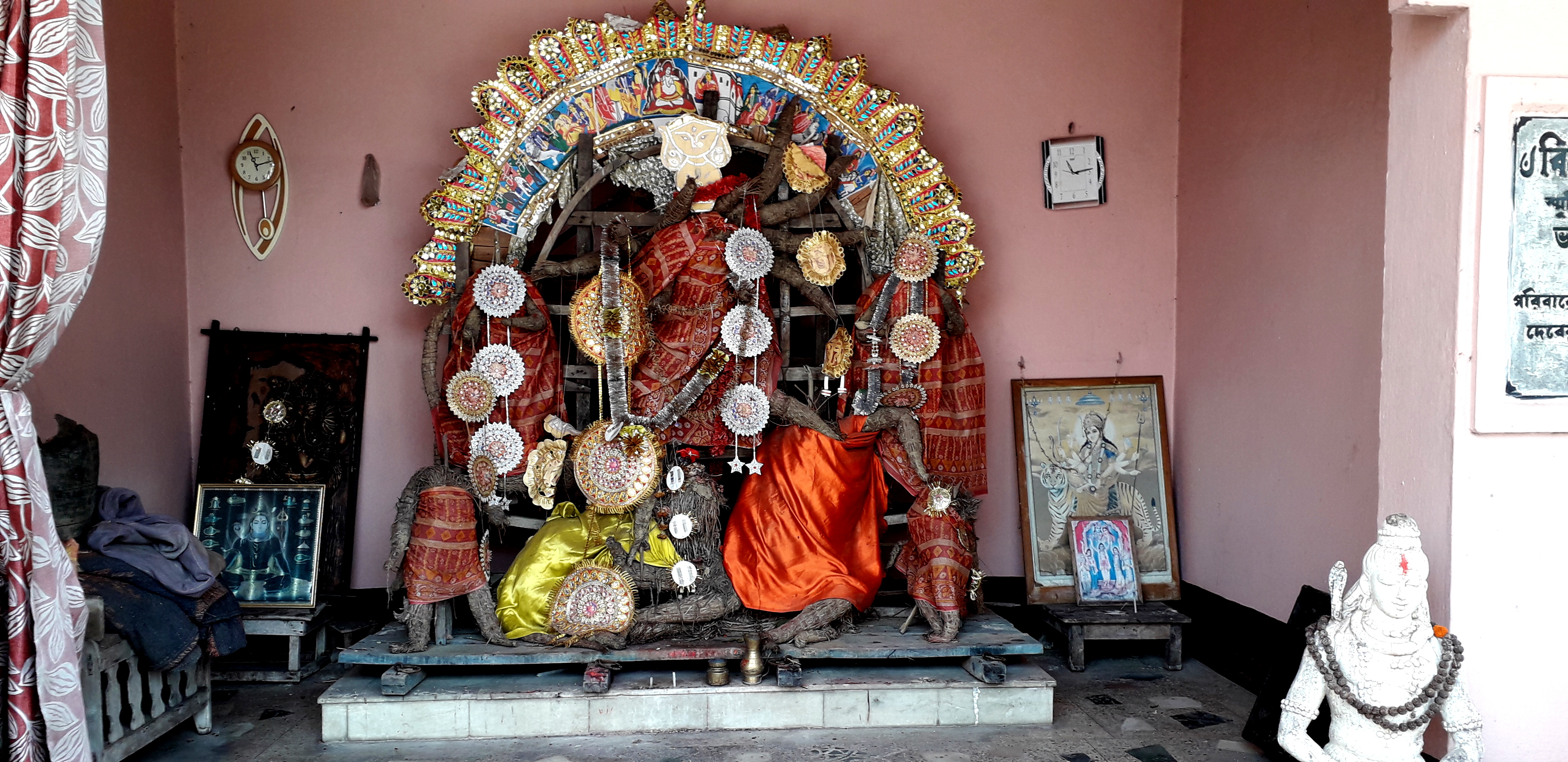
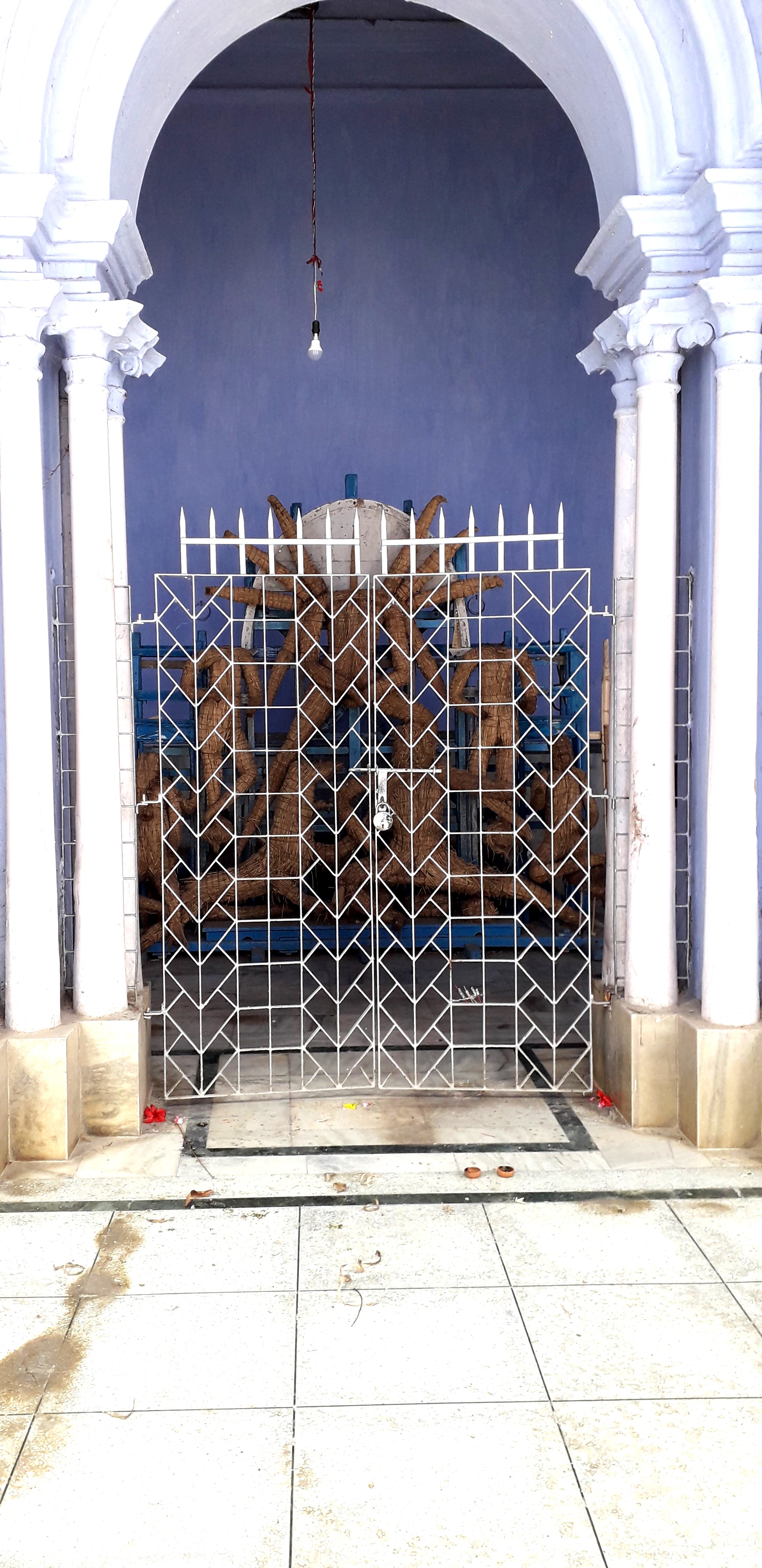
Outside there is a permanent place where Goddess Durga is worshiped during Durga Puja .After immersion the structure is placed here again and worshiped all the year round till the making of the new statue of the Goddess in that old structure .
The Structure Of Goddess Durga
On every Monday worship is being held here .Anyone may come and have prasada after worship of Lord Shiv .
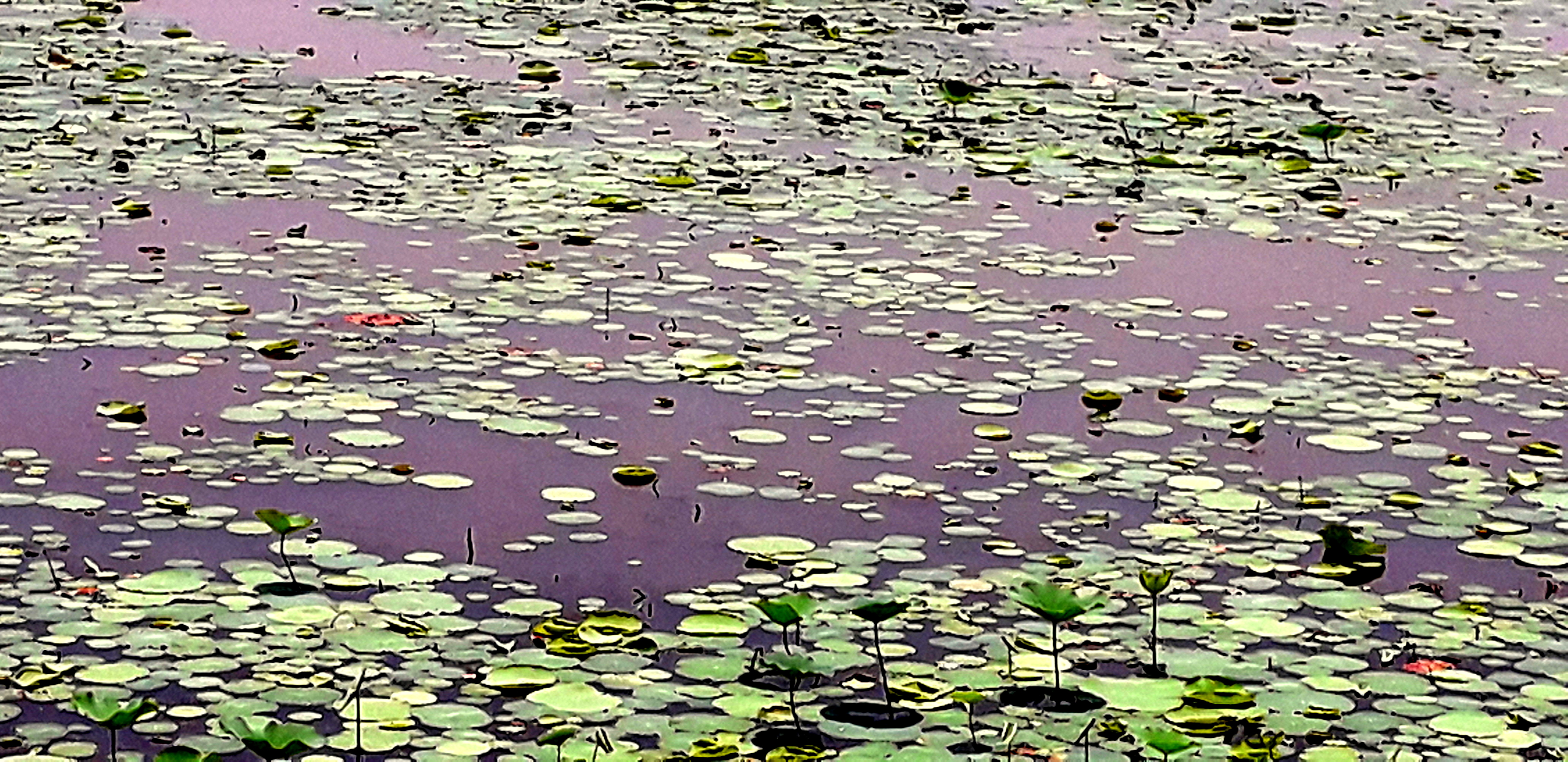
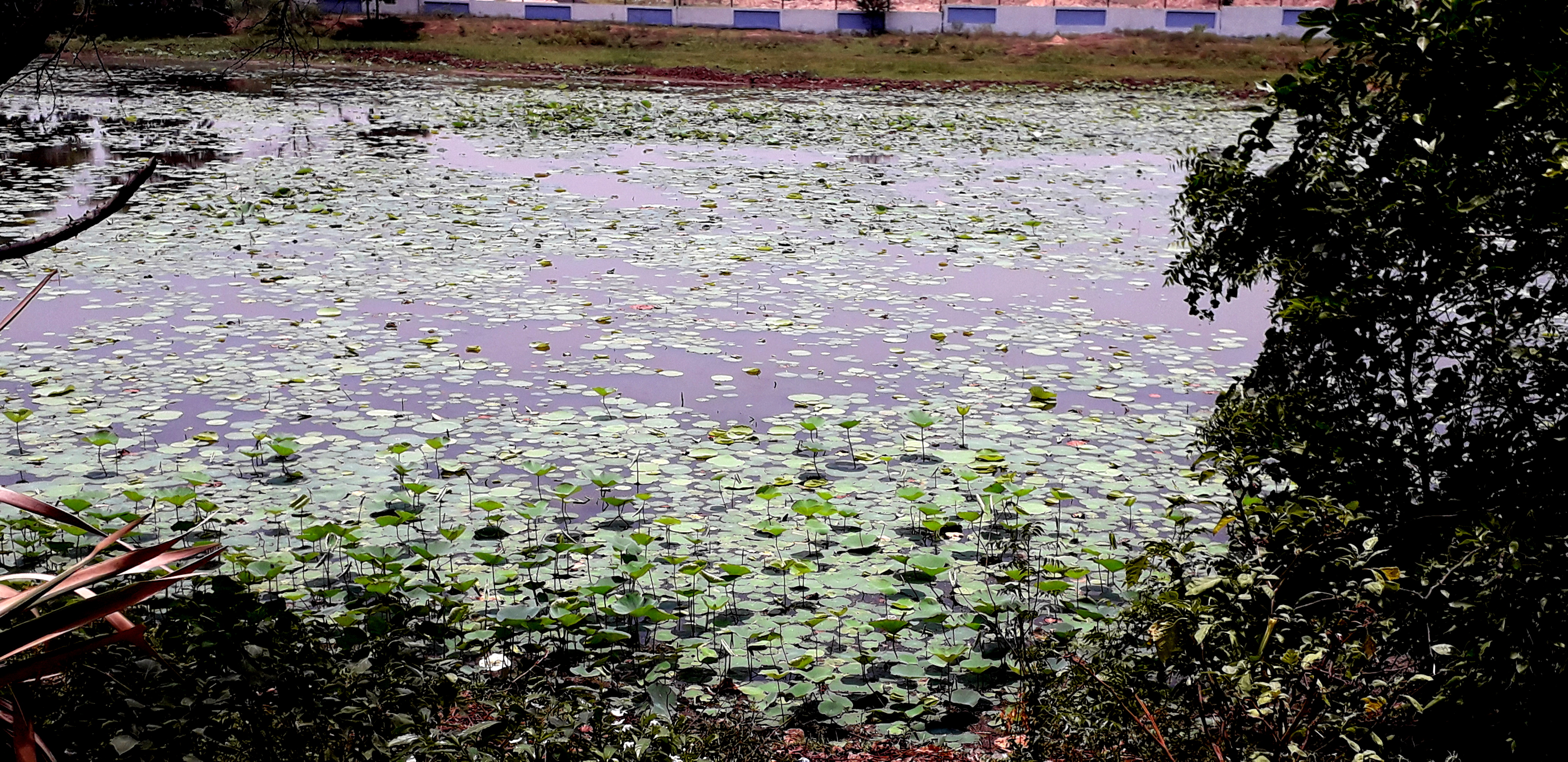
The surrounding is very peaceful .There is a big lotus pond beside the temple .
The Lotus Pond
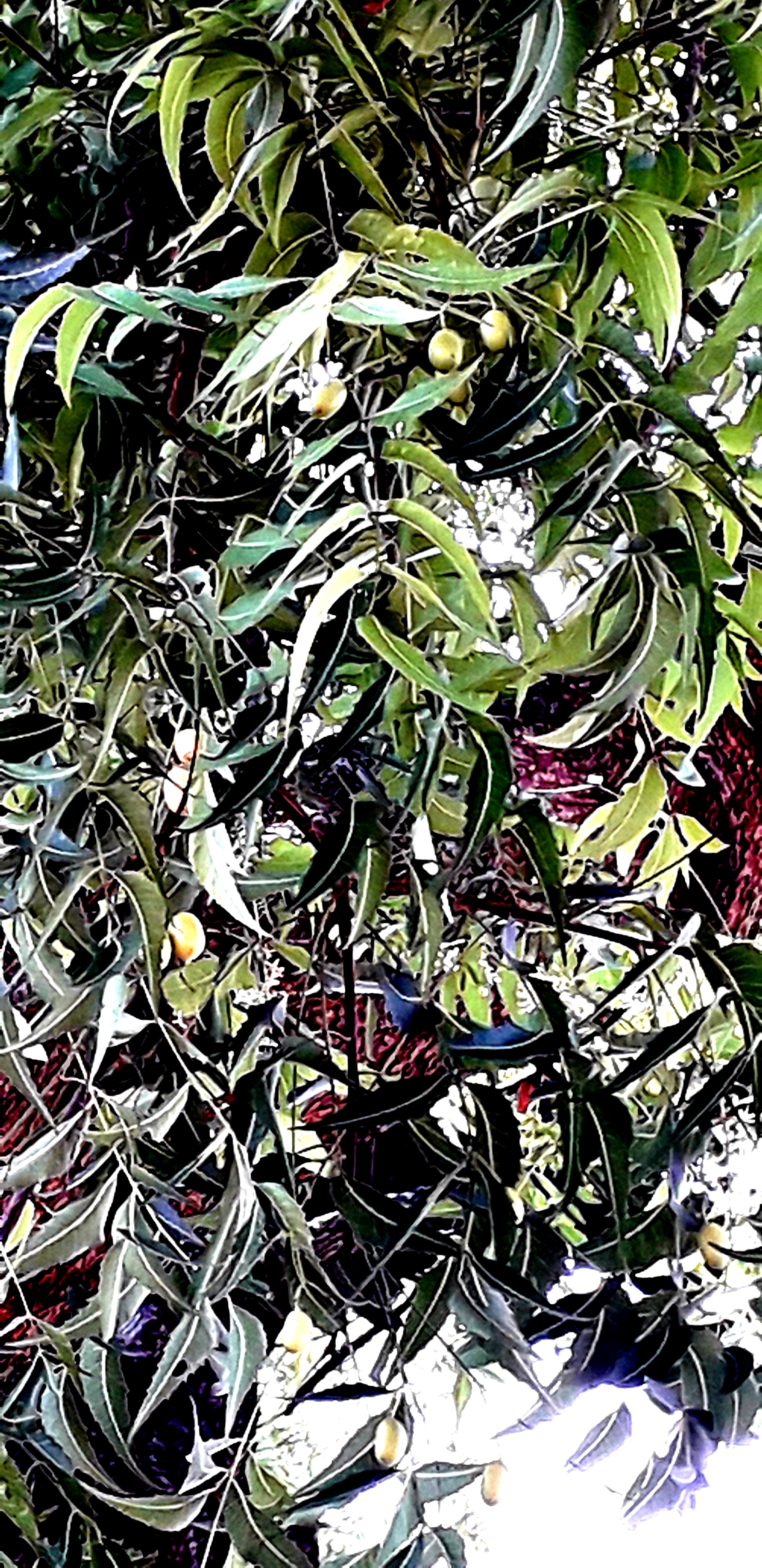
Normally banyan tree ( Ficus benghalensis ) and ashvattha tree ( Ficus religiosa )are found near the temple of Lord Shiv as both are considered as sacred trees in Hindu mithology .But here these trees are replaced by tamarind tree ( Tamarindus indica ) and neem tree ( Azadirachta indica ) .
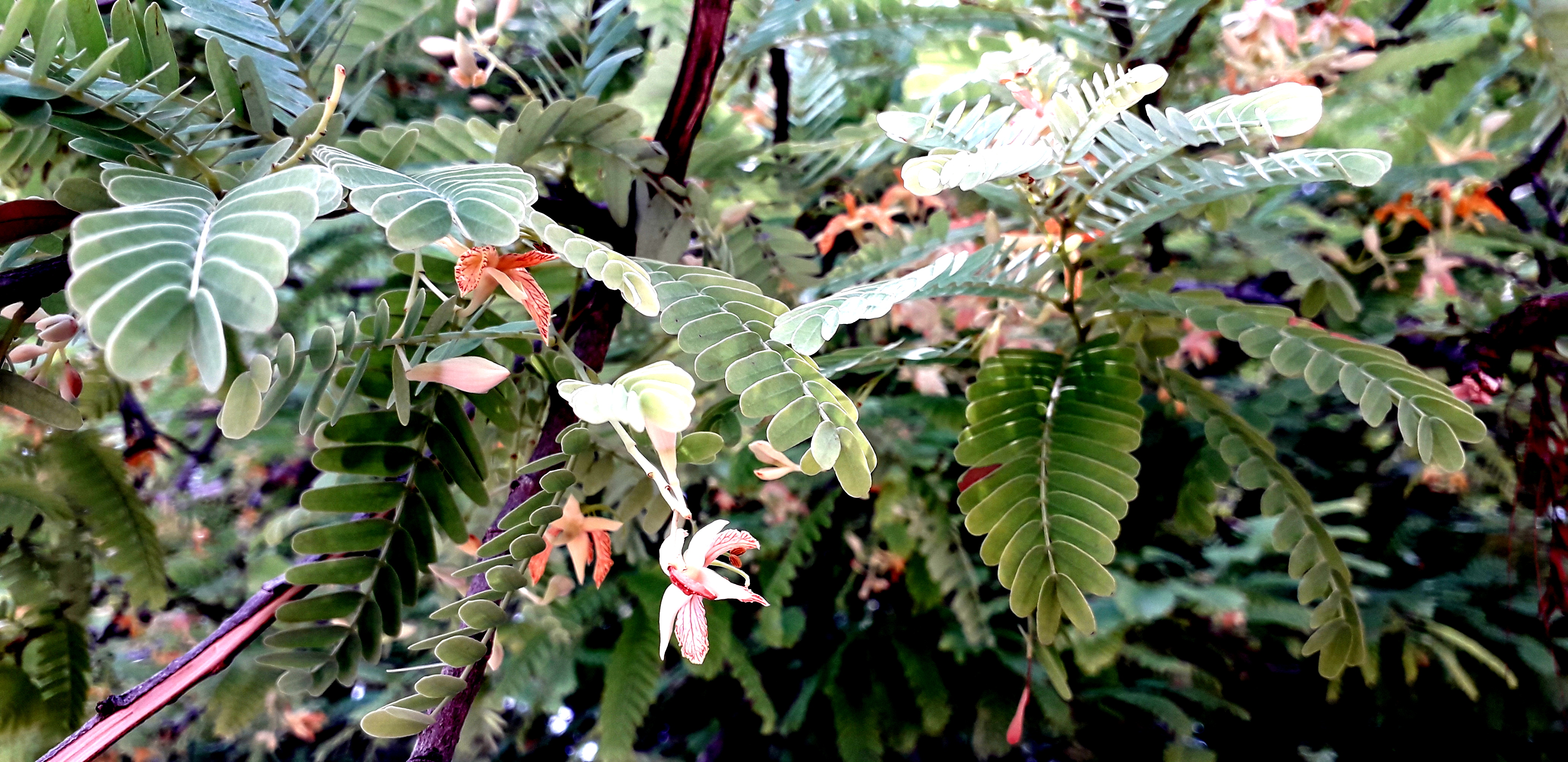
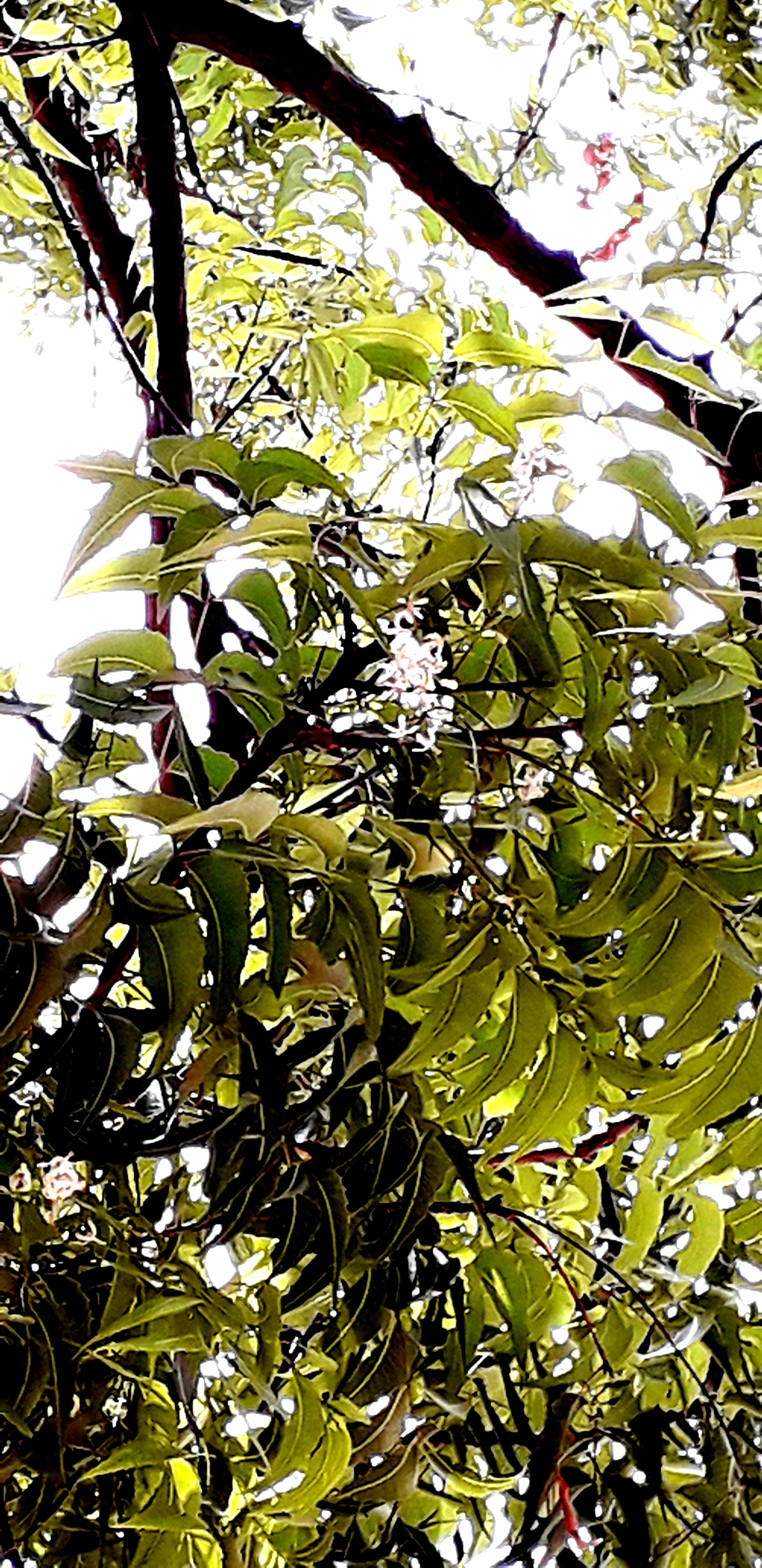
I have seen these trees before but here for the first time I have seen the tamarind flower and the neem flower .
Tamarind FlowerNeem Flower
I know neem is a medicinal plant too .We eat neem leaves which is very bitter in taste .But do you know how does ripe neem fruit taste ? It is sweet .I know you will not believe it but trust me it is sweet .I have tasted it just to judge if it is true . These fruits are used to prepare organic pesticides .
Neem Fruit .
I will never forget the Suratheswar Shiv Temple for these two trees specially .Even when we were about to resume our journey to Raipur I was still looking at the trees and wondering about the magic of nature . Am very happy to visit the Suratheswar Shiv Temple at Shibpur .
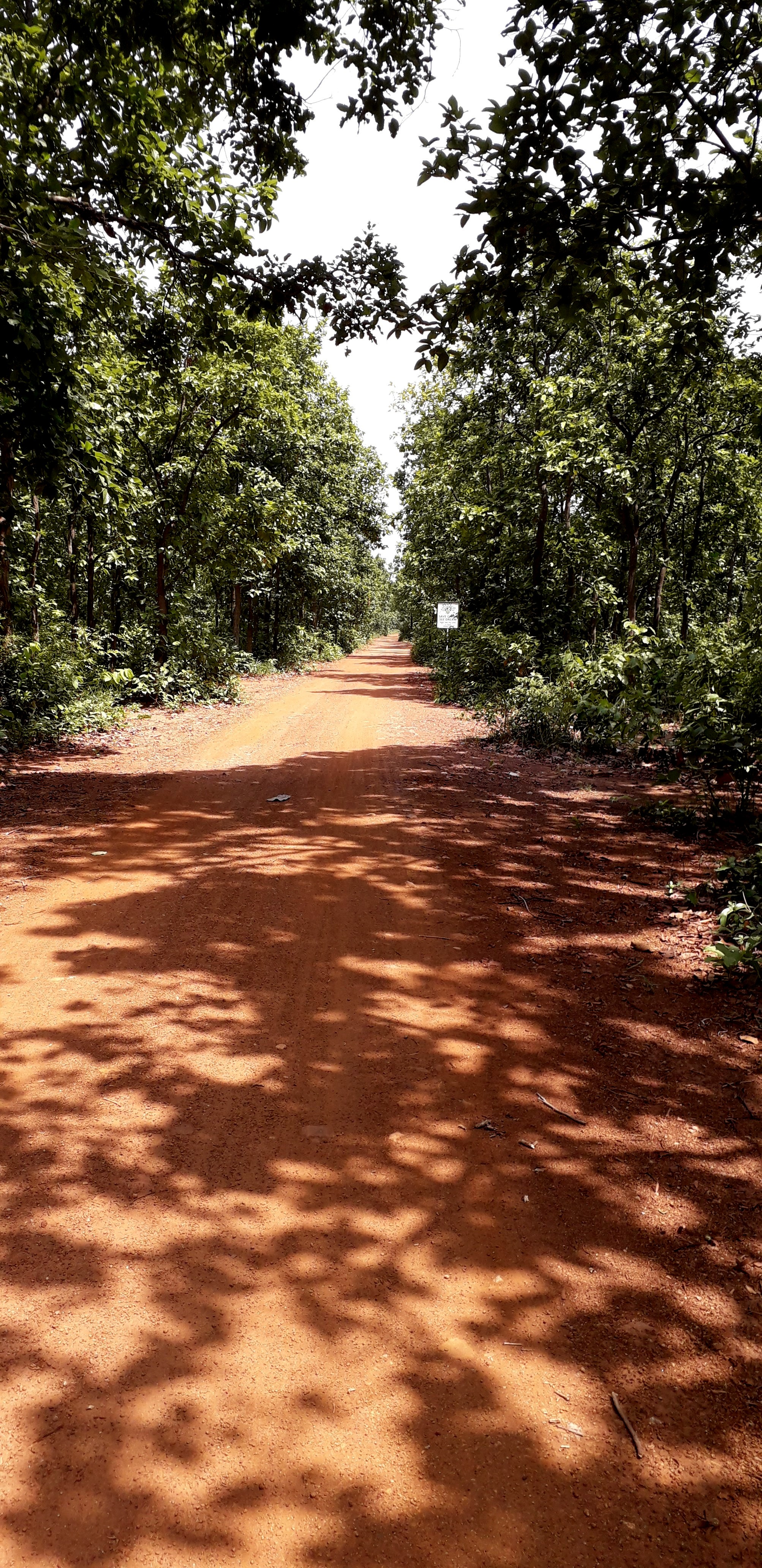
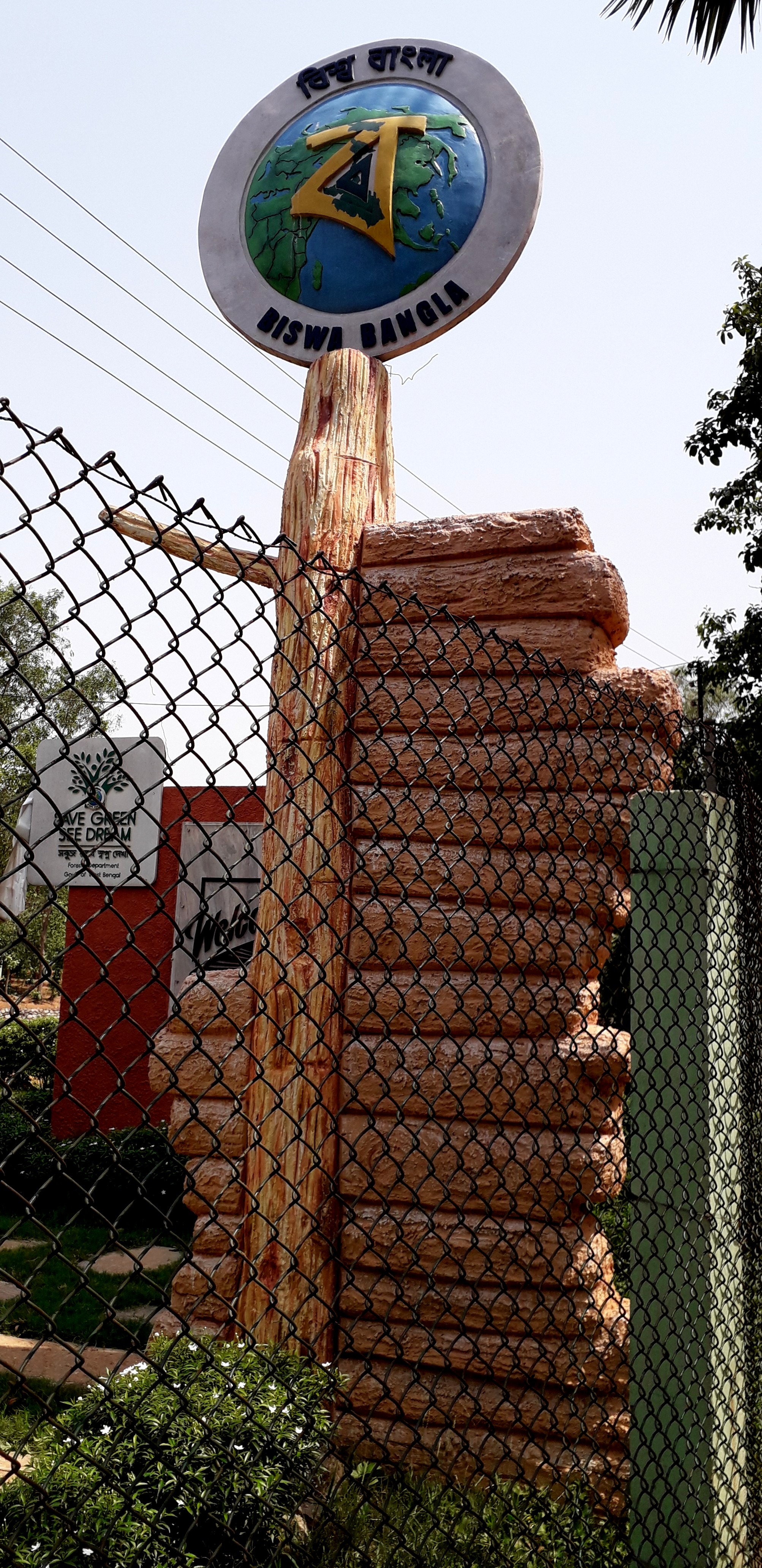
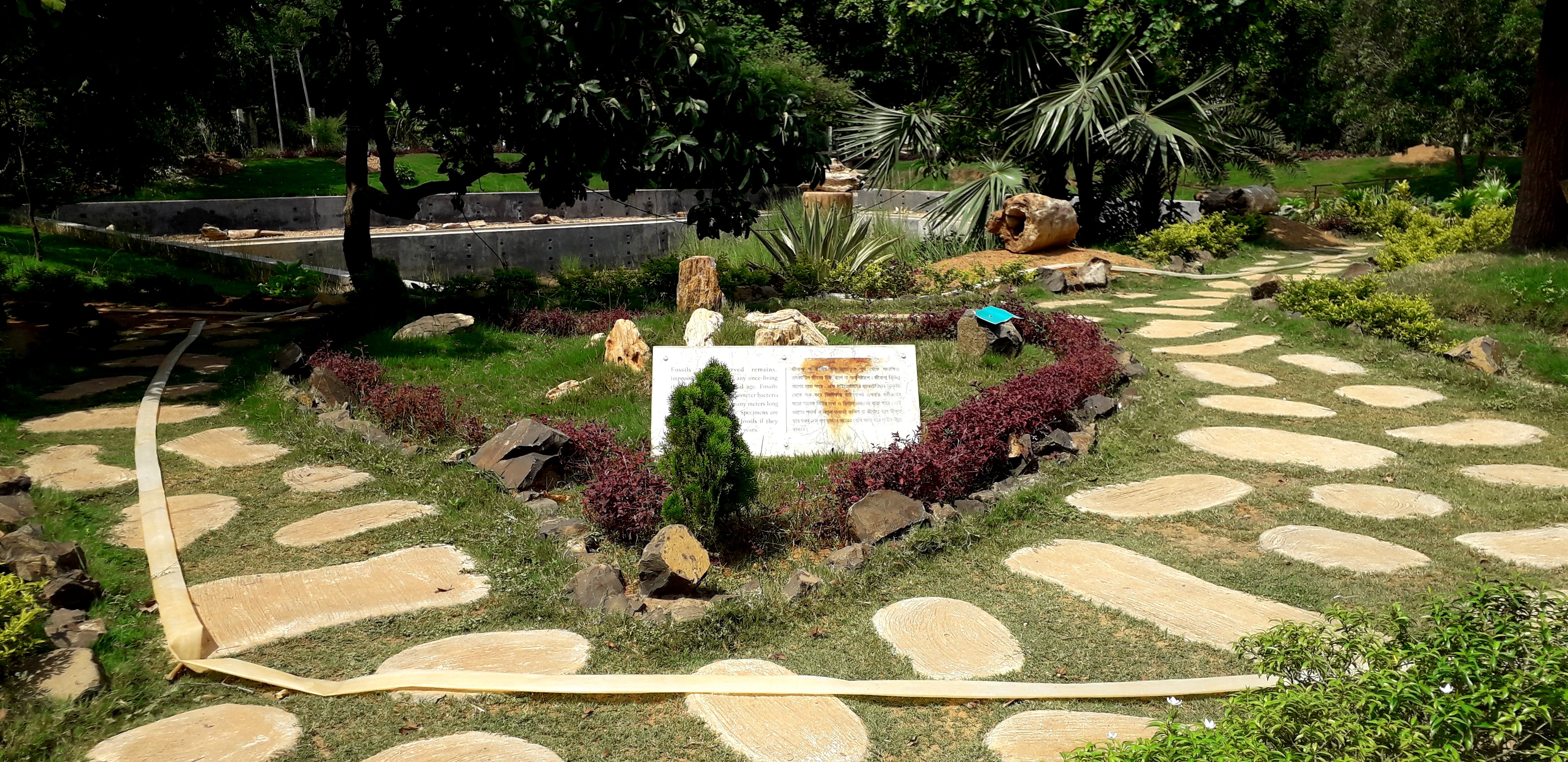
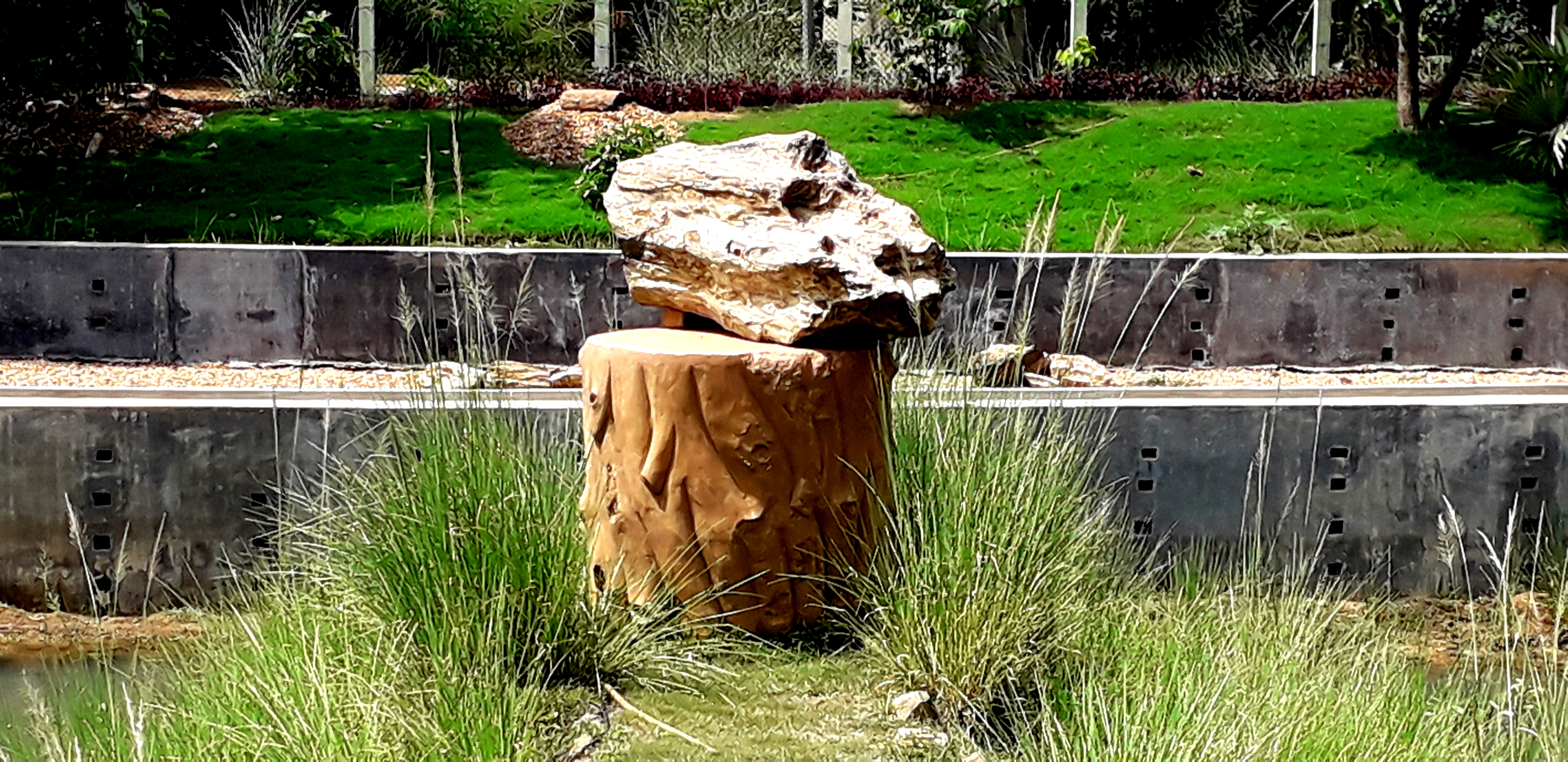
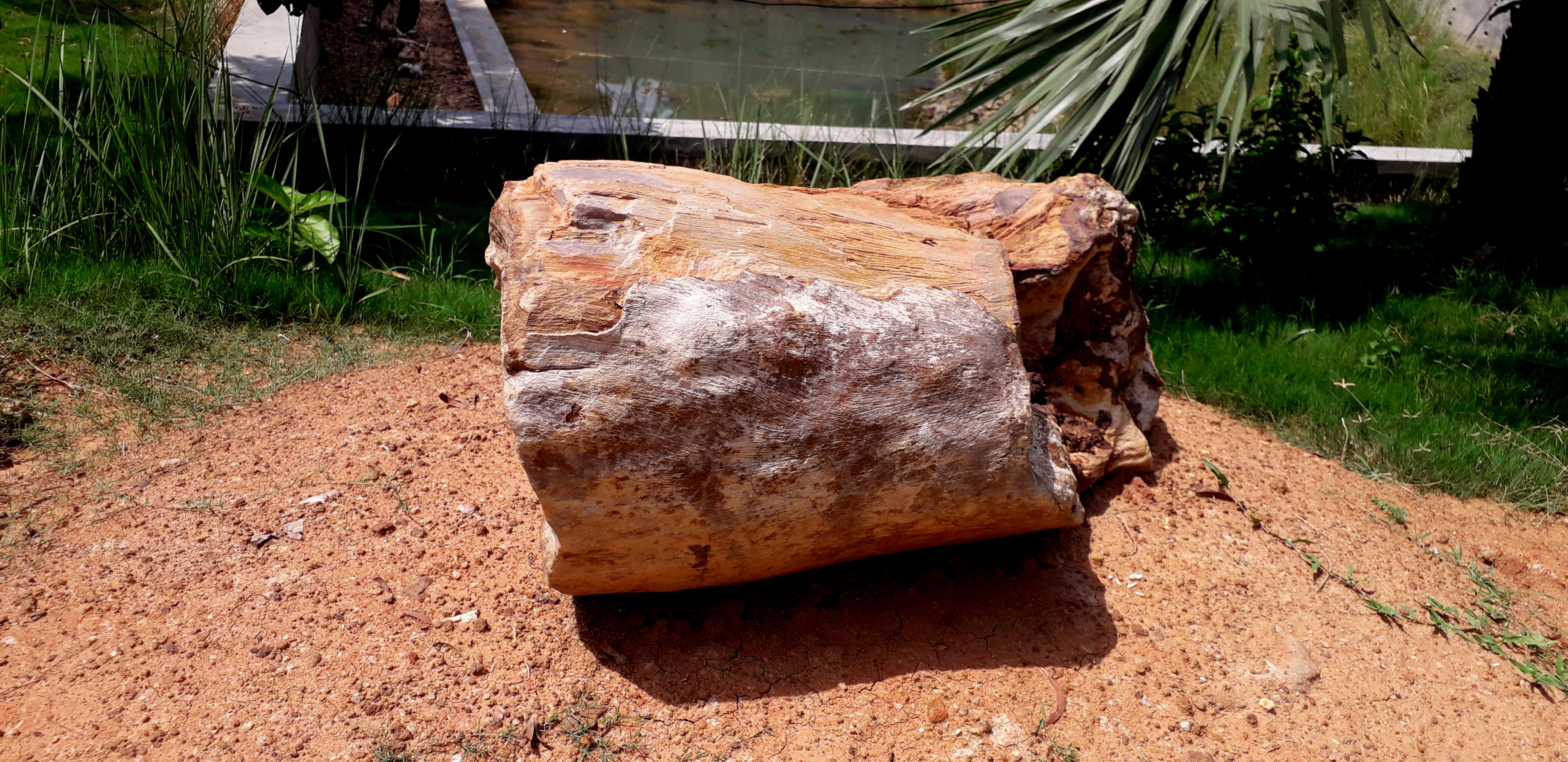
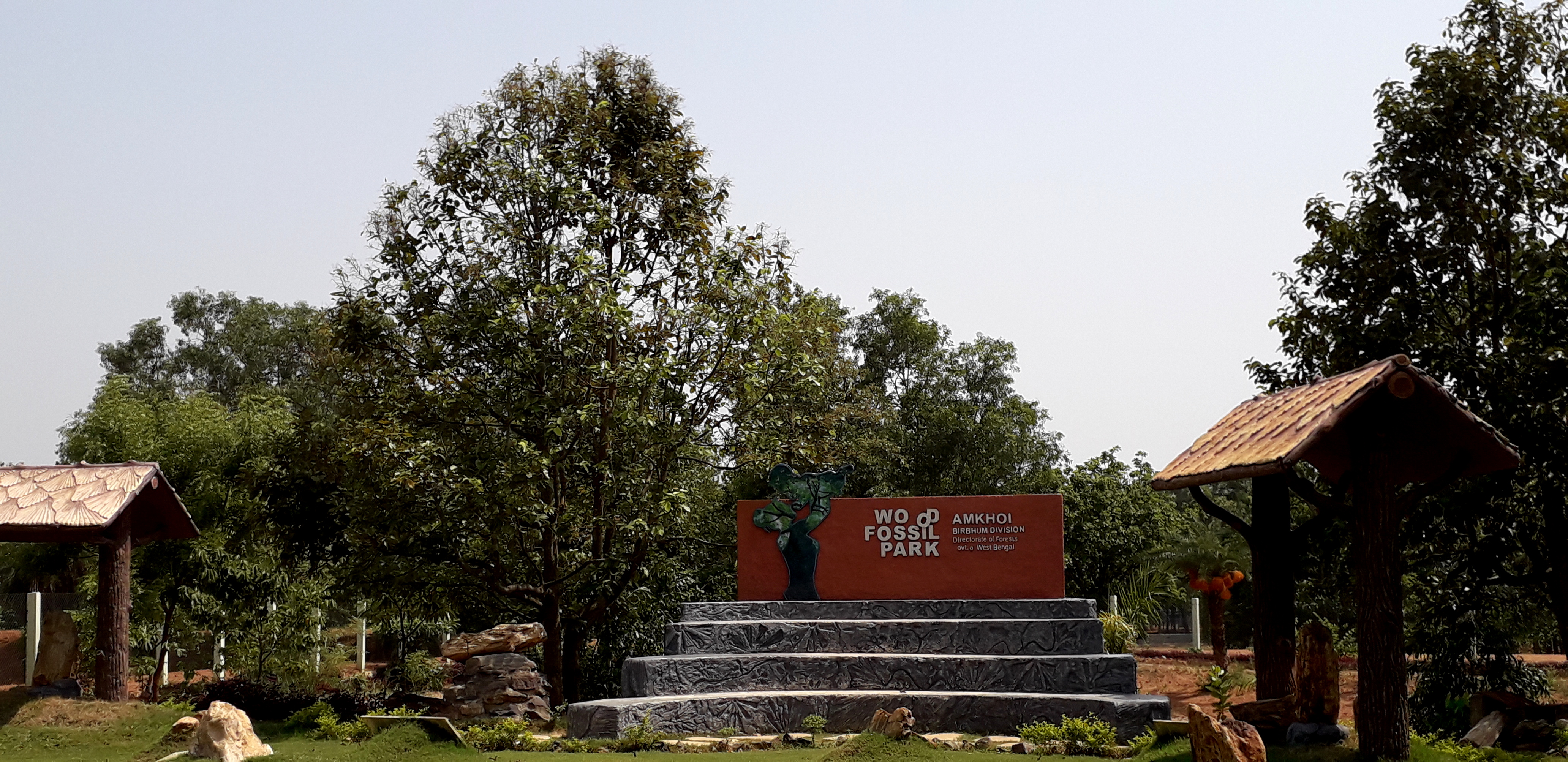
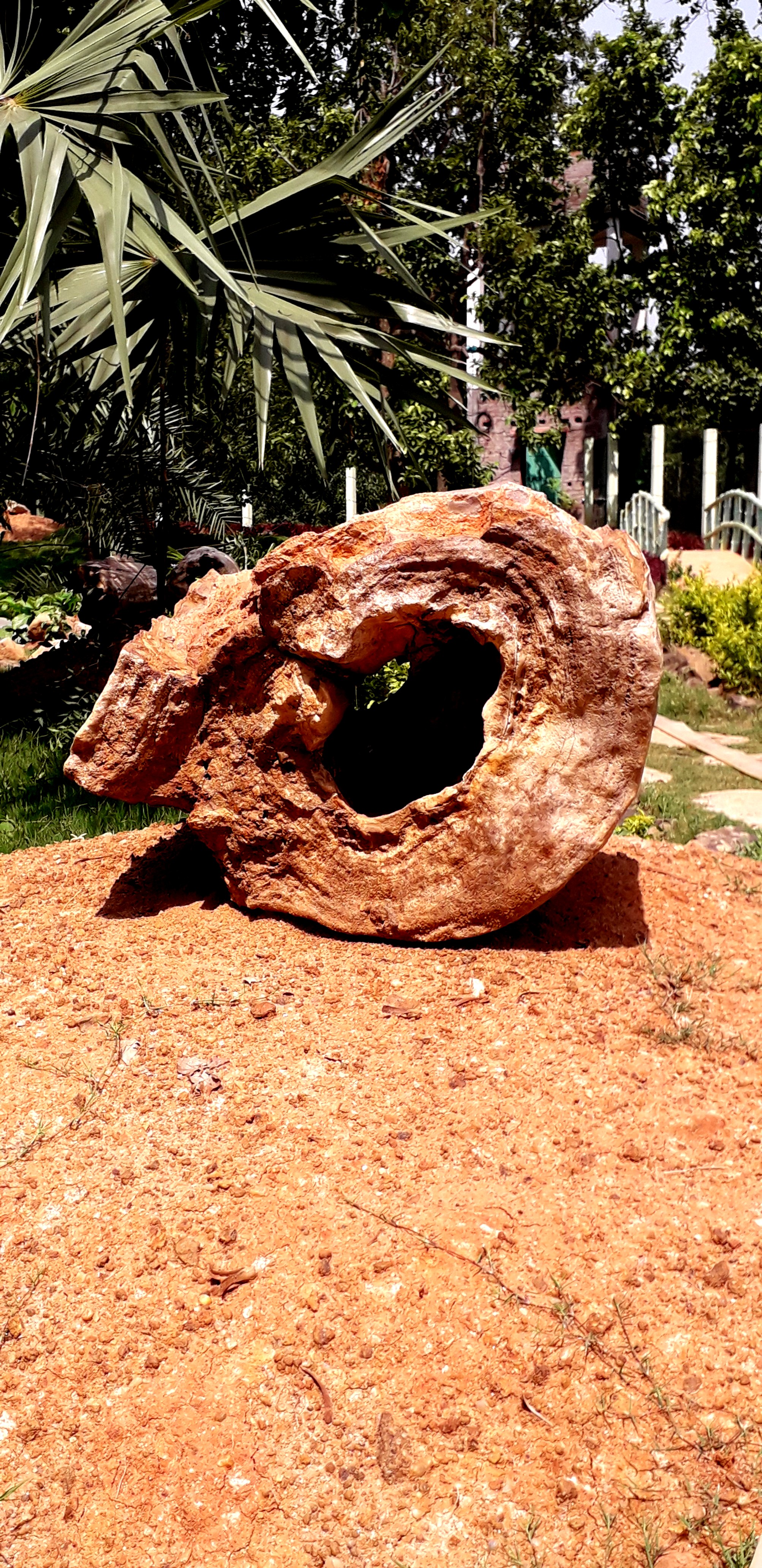
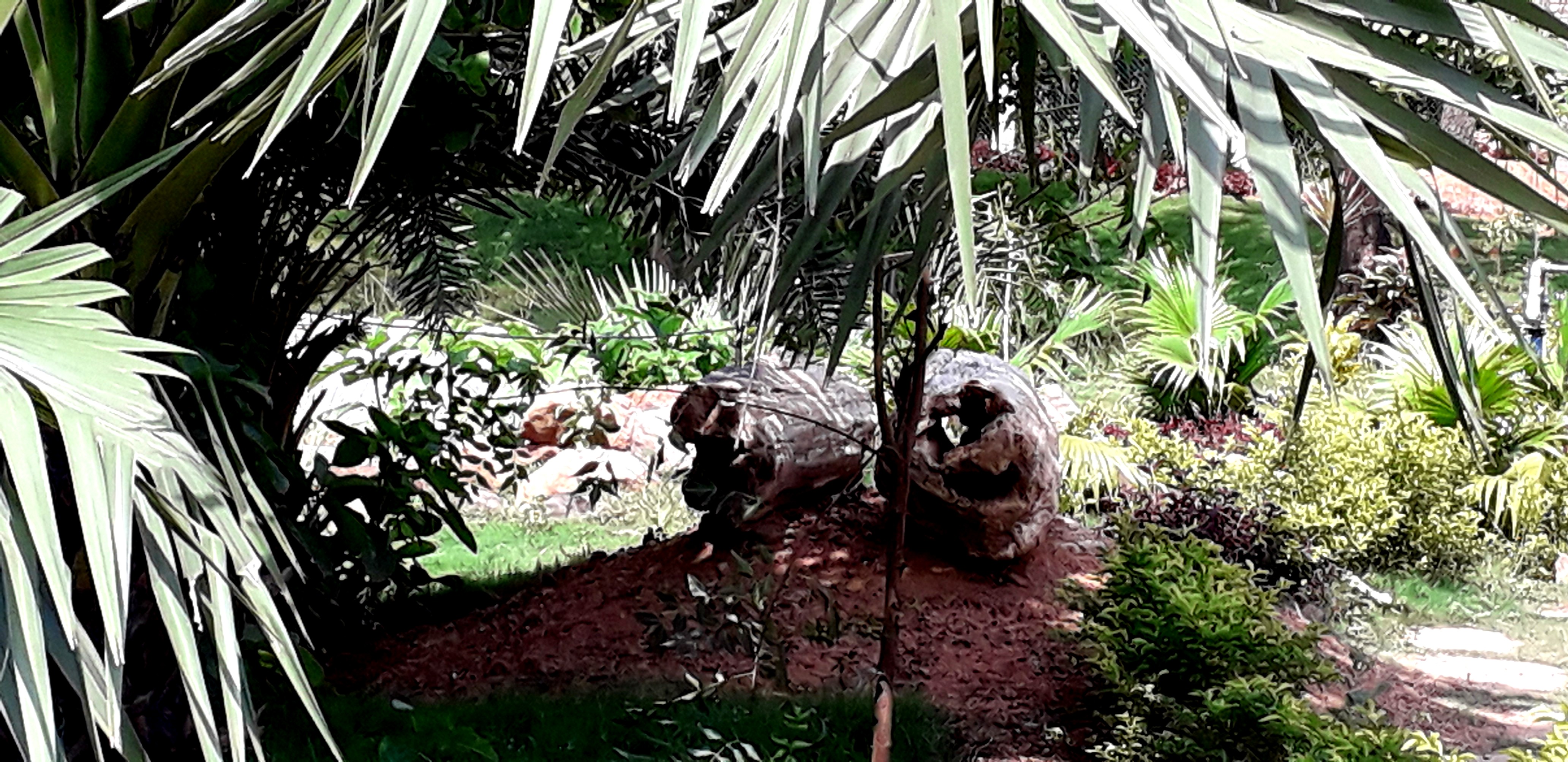
This is the road that leads to the Fossil Park at Amkhoi , Birbhum,West Bengal, India .From Illambazar it leads to the village named Dalla .If you continue your journey along this road towards Dalla village you will come across the junction towards Fossil Park .Just continue your journey and you will reach the check post where Fossil Park welcomes you with its huge tree trunk fossils amid the green deciduous forest of Illambazar.
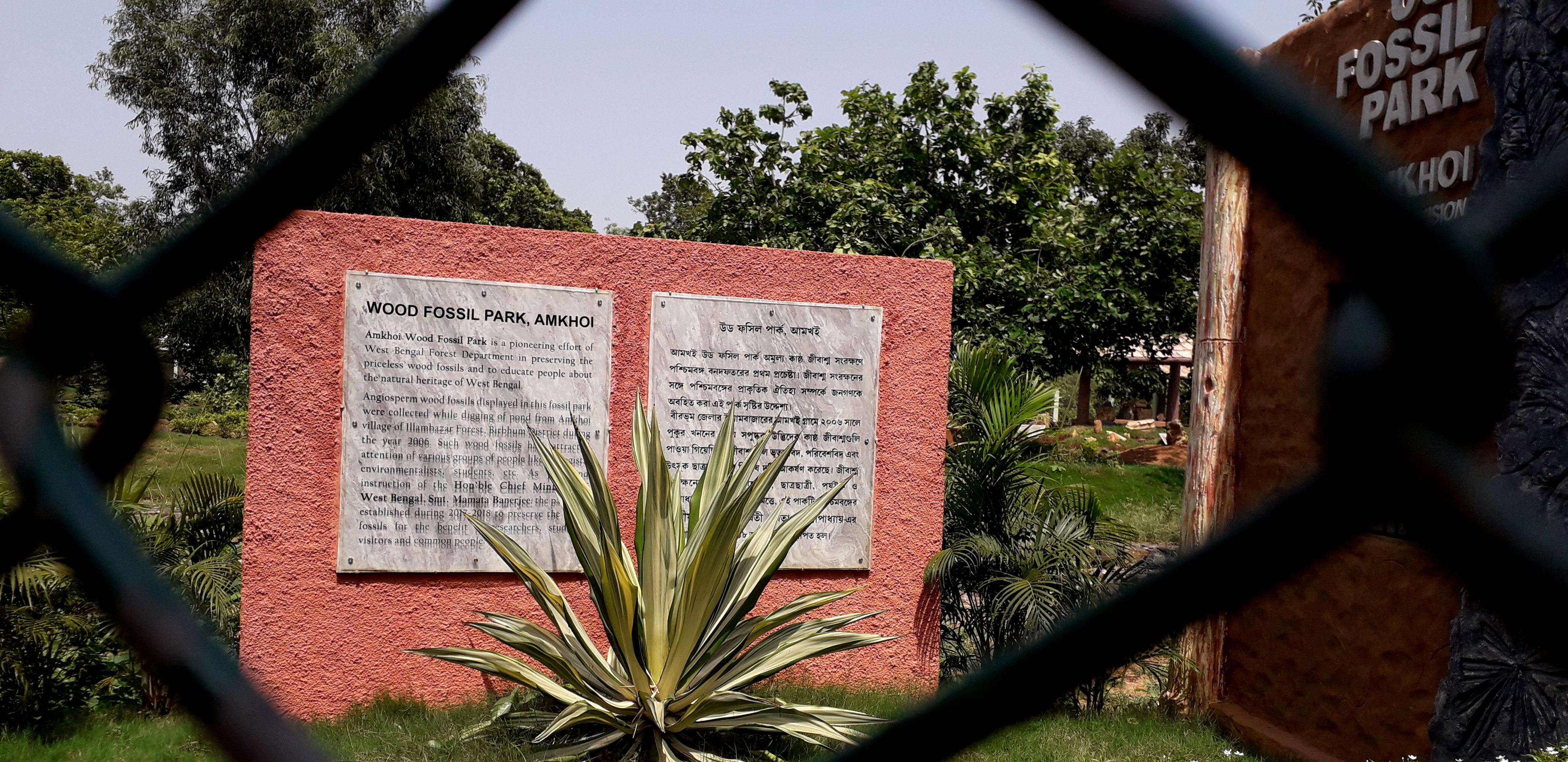
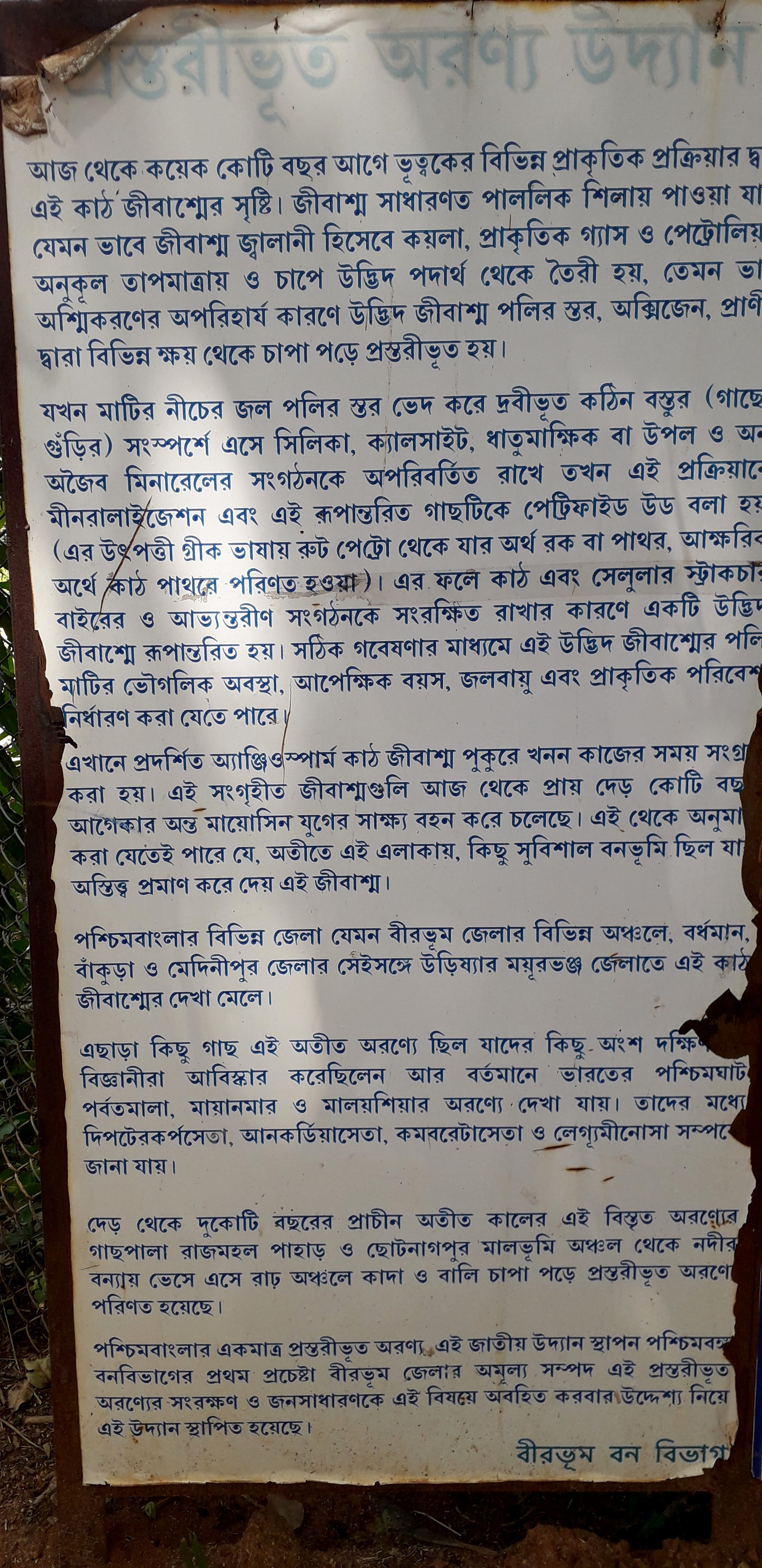
From the board of the Forest Department of Birbhum we come to know how this fossils were formed .
History of Fossil at Amkhoi According To The Forest Department
Wood fossil is defined as woods preserved by natural process in the earth’s crust millions of years back. Fossils are usually found in sedimentary rocks. The essential factors for fossilization are a rapid burial under sediment cover and protection from decay by oxygen and organisms in an anaerobic condition. Fossil fuel such as coal, natural gas and petroleum were formed from plant matter under favourable temperature and pressure. The ground water, rich in dissolved solids flows through the sediment replacing the original plant material with silica, calcite, pyrite or another inorganic material such as opal. The process is known as per mineralization and the transformed woods are known as Petrified Wood (from the Greek root petro meaning “rock” or “a stone”; literally wood turned into a stone). The result is a fossil of the original woody material that often exhibits preserved details of outer morphology of wood and cellular structures. By studying petrified woods the past depositional environment of sediments, geographical condition, relative age determination, climate and ecology can be determined.
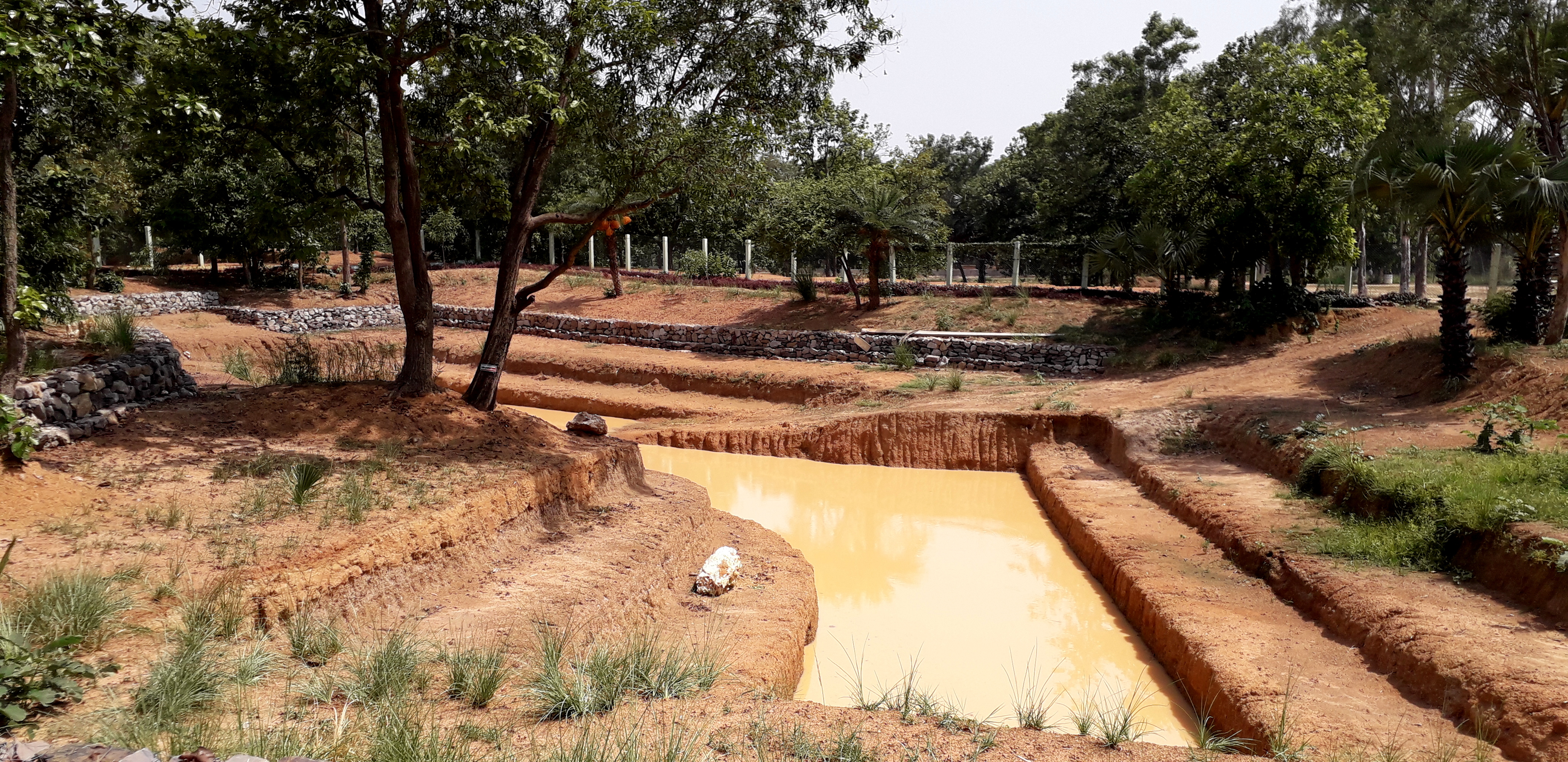
The angiosperm wood fossils which are displayed here were collected during pond digging from Amkhoi village of Illambazar Forest, Birbhum District. These specimens are definite proof of the presence of a vast dry deciduous forest with a few evergreen elements in this area, which prevailed 15 to 20 million years before present (Late Miocene). Wood fossils can also be found in different places of Birbhum, Bardhaman, Bankura and Medinipur Districts of West Bengal as well as in Mayurbhanj District in Orissa.
Few families and genera of the past forest of south West Bengal were identified by scientists. Dipterocarpacea, Anacardiacea, Combretacea and Leguminosae are some of these. At the present time these families occur in this area. However, some genera are extinct here, but occur in the present dayforests of Western Ghats, Myanamar and Malaysia.
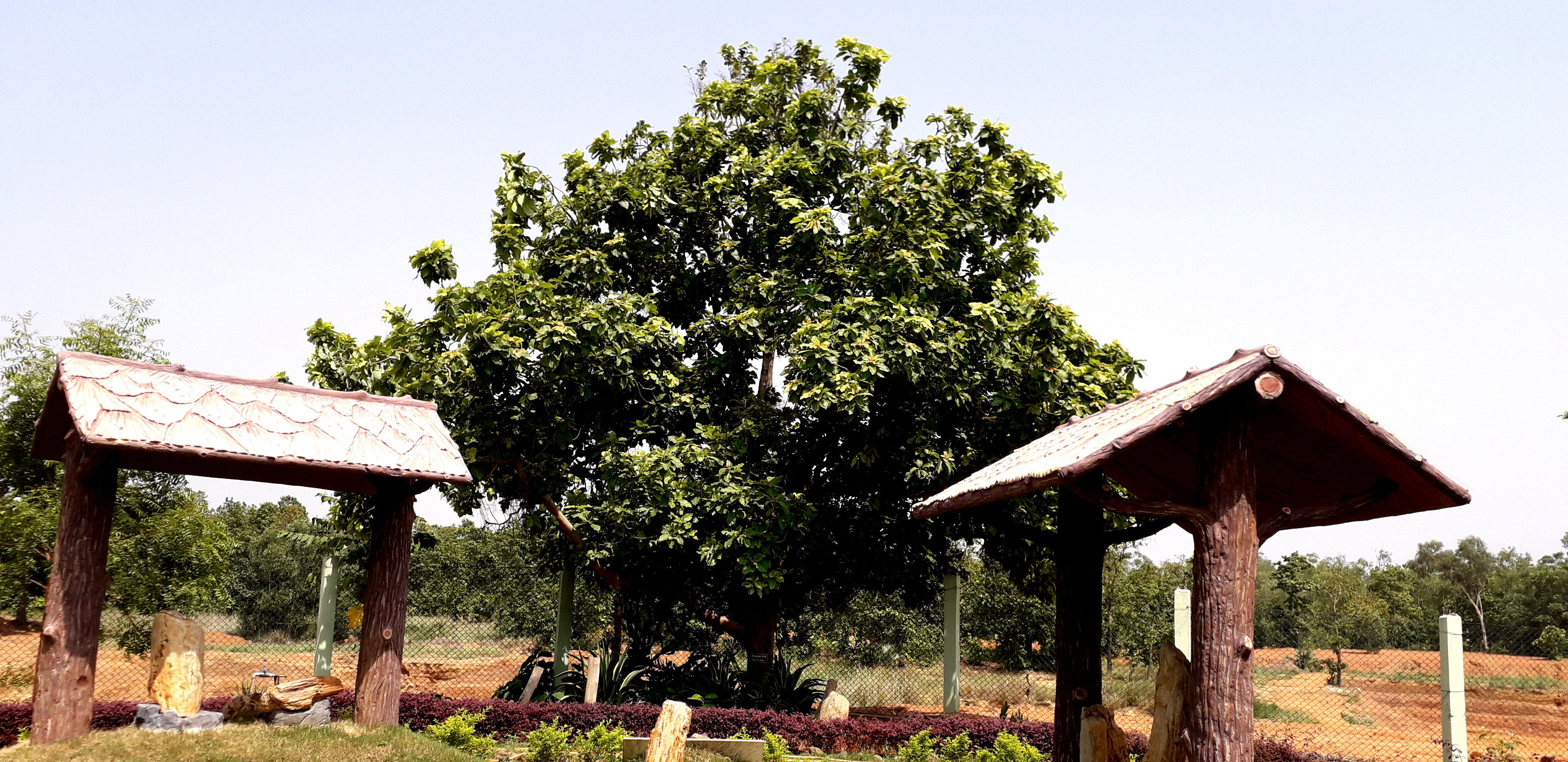
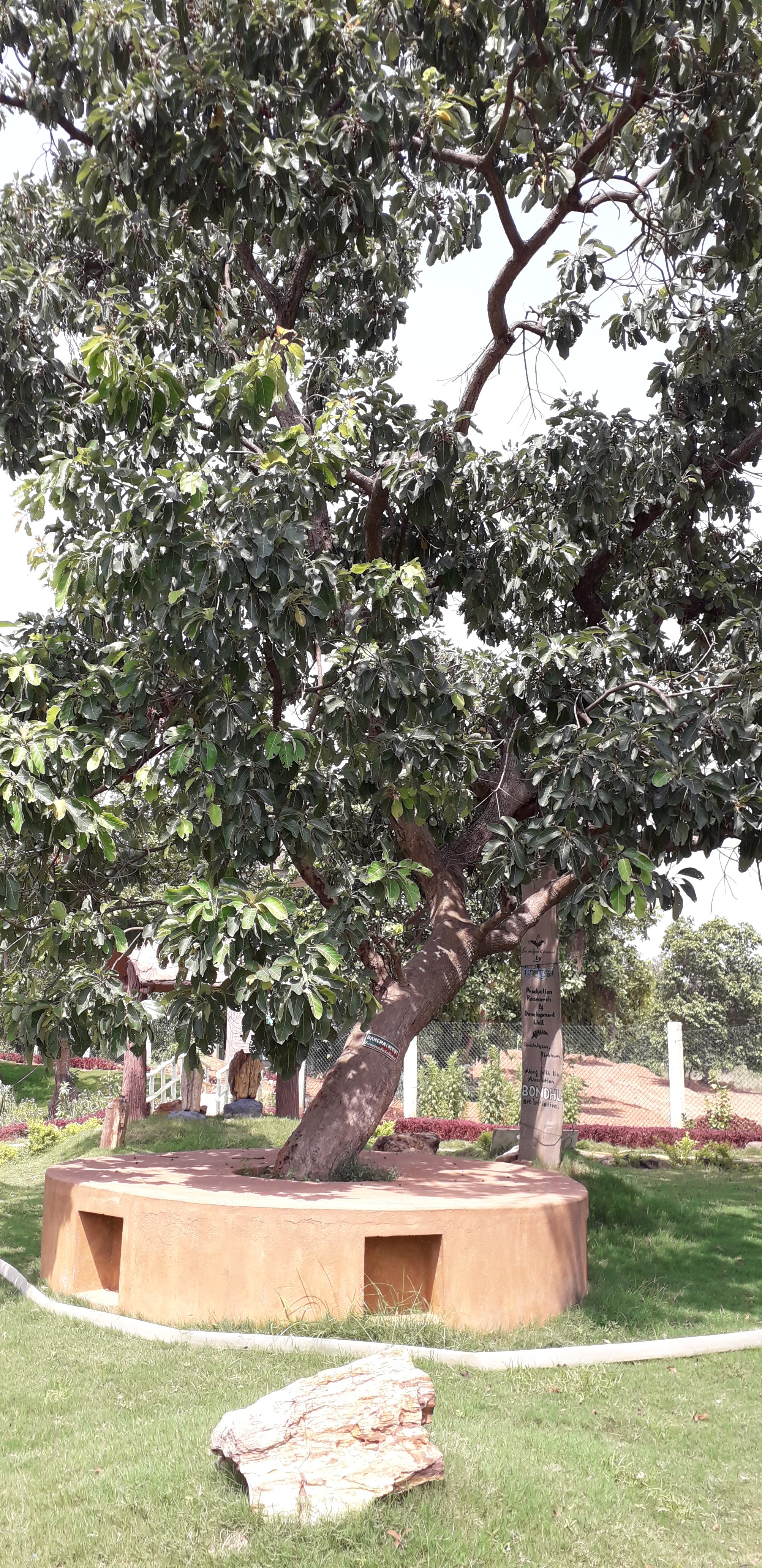
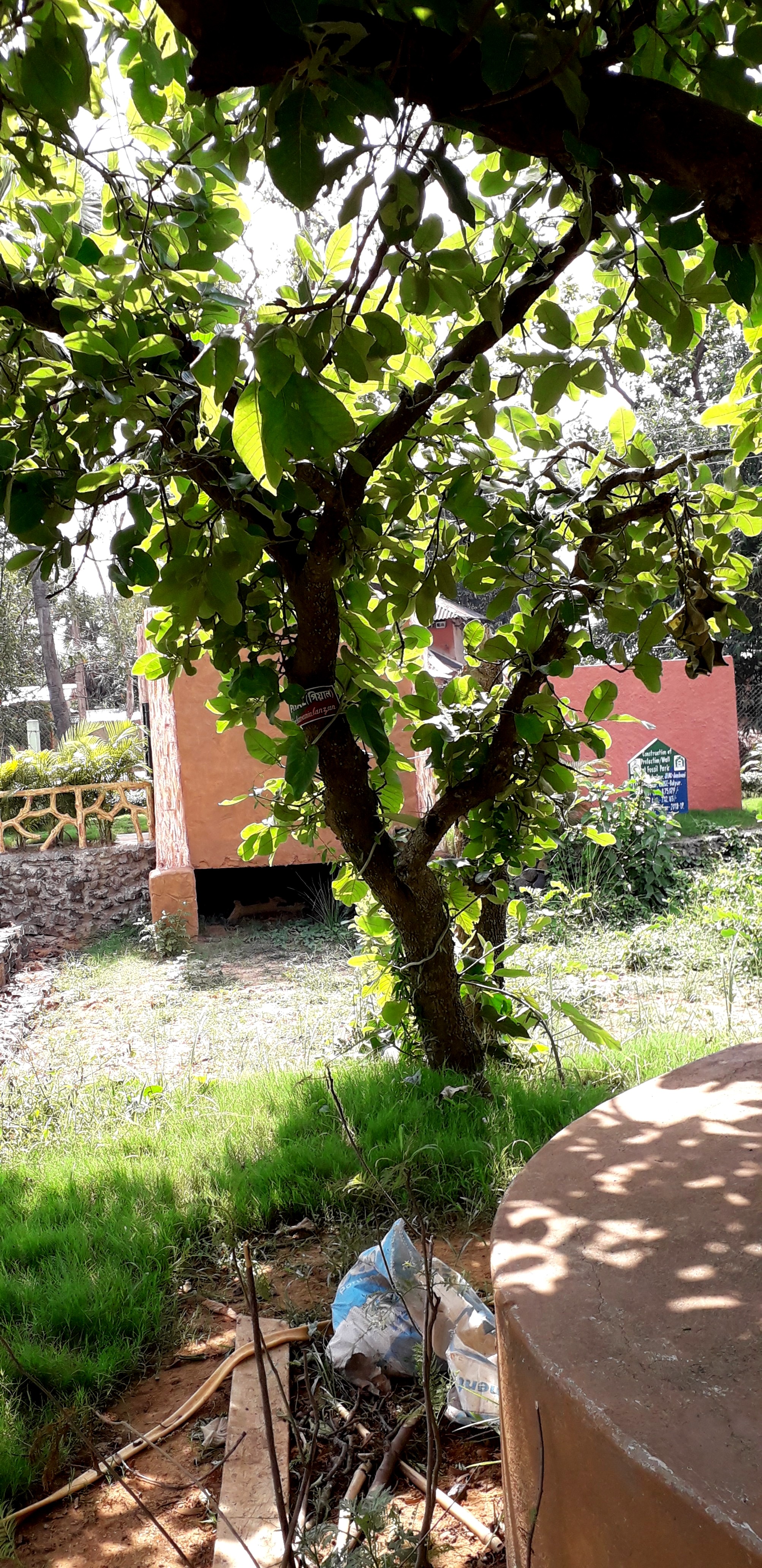
MAHUA TREEBAHERA TREEPIYAL TREE
This past forest thrived in the uplands of Rajmahal Hills and Chotanagpur Plateau at the North West of Birbhum. It is presumed that the trees were carried by occasional floods of the river system flowing from North West of the river basin towards South East in Birbhum, Bardhaman, Bankura and Medinipur Districts and deposited under find sand and clay gradually to transform into wood fossils. The petrified woods are found in two different laterite beds. This is a pioneering effort of West Bengal Forest Department in preserving the priceless fossils woods and to educate people about the natural heritage of West Bengal.
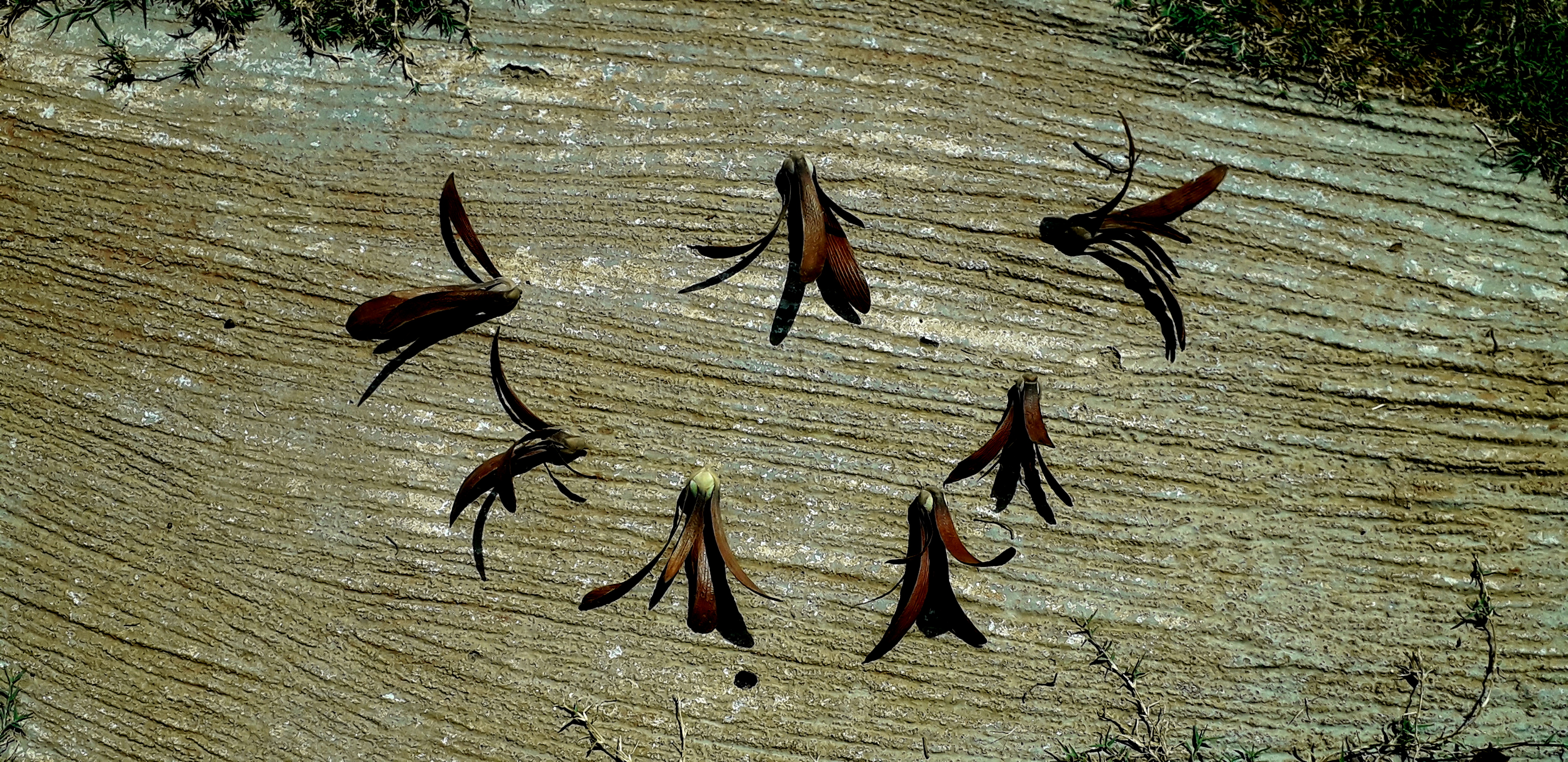
MOHUA FLOWER BAHERA FRUIT
Here first I have seen Mahua Flower and Bahera Fruit in my life .Am thankful to this place for preserving such deciduous trees .
This place is still quite unfamiliar to the tourists .So here I drop the link of the route for the convenience to chalk out your plan for the spot .
The spot is yet to be completed . Construction process is still going on . However , this is a beautiful place in the lap of mother nature . A day’s outing is perfect for this place .
It is quite challenging to reach a place of very high altitude . As we all know Gurudongmar Lake is situated at an altitude of 17800 ft in the Indian state of Sikkim ,we had to acclimatize our body before reaching that lake .So just before the day of our trip to Gurudongmar lake we halted at Lachen at an altitude of 8838 ft just to take some rest after the long journey from Gangtok and to acclimatize our body to this high altitude so that we do not face any trouble during our visit to the lake .
The Evening On The Eve Of Our Journey
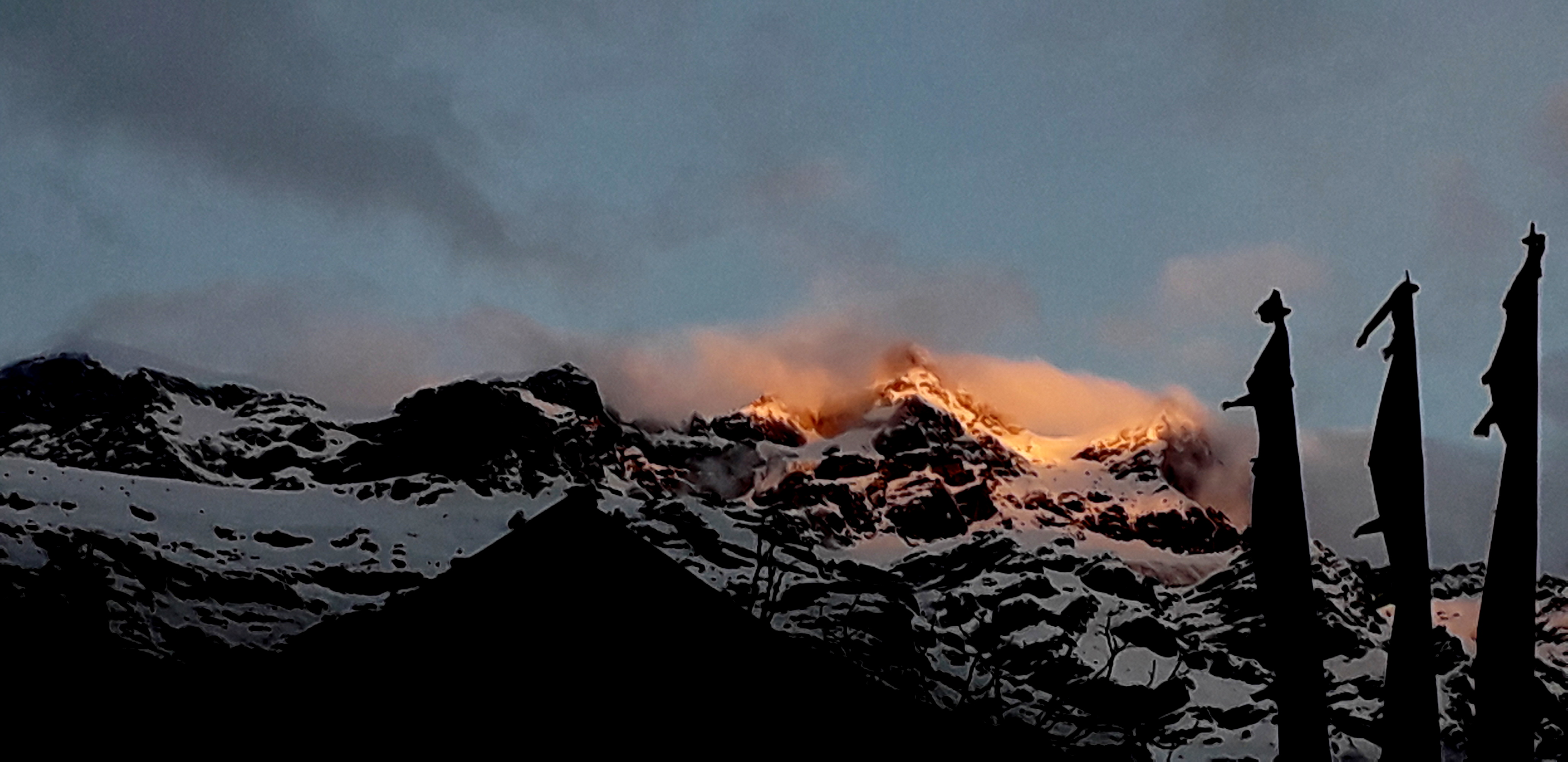
It was a rainy afternoon with heavy wind blowing strongly .It took more than six hours to reach Lachen from Gangtok .The distance between these two places is nearly 120 kilometers but the steep zigzag road and bad weather conditions made it a very tough journey .We were very tired yet excited to enjoy the natural beauty of the place.It was very beautiful.When we reached our room there was still day light .Through the open window the floating cloudlets could be seen .I had not seen such floating cloud before .So I was very happy in my mind . With a cup of tea in my hand I was trying to comfort myself .The chill of the wind was freezing me .So I had to shut the window .But through the glass of the window I could enjoy the nature to my heart’s content .When it was evening nothing could be seen outside .Besides the sound of the wind there was only silence of the mountain .
There is no proper tourist accommodation beyond Lachen. So almost all tourists visiting Gurudongmar Lake stay at Lachen overnight before proceeding to the lake next morning. Tourists come to Lachen mainly to visit the famous & picturesque high altitude Gurudongmar Lake which is located further up at an altitude of 17,800ft near Indo-China (Tibet) border.
Wikipedia On Gurudongmar Lake
Features :-
The lake, fed by glaciers, is located to the north of the Kangchengyao range, in a high plateau area connected with the Tibetan Plateau. It provides one of the source streams which joins the Tso Lahmu and then form the source of the Teesta River. The lake remains completely frozen in the winter months, from November to Mid-May.
The lake has an area of 118 hectares (290 acres) and its peripheral length is 5.34 kilometres (3.32 mi). However, the size of the lake appears small at the place where the devotees offer worship because the larger part of the lake is not visible due to hilly topography obstructing the view. The area surrounding the lake, also known as Gurudongmar, is inhabited by Yaks, blue sheep and other wildlife of high altitude.
The lake is of fresh water and used to be very clear; the bed of the lake could even be seen from the middle of the lake. Pollution has muddied the waters in recent years, and the lake has taken on a white tinge and has obscured visibility.
In Folklore :-
A legend related to the frozen condition of the lake is linked to the visit of Guru Padmasambhava to the lake, on his way back from Tibet. When he saw it, he felt that it was worthy of veneration, as it represented the divine location of Dorje Nyima or Chhoedten Nyima. Because the lake remained frozen most of the year with no possibility of providing for drinking water needs, the people of the area appealed to Padmasambhva to help them. The guru agreed to help and placed his hands on a small part of the lake area, which stopped freezing during winter, facilitating drinking water to the people. Since then, the lake has been considered sacred and devotees carry this sacred water in containers.
According to another legend, when Padmasambhava visited the lake he saw an auspicious phenomenon and then he considered it a good augury to enter the mainland of Sikkim, then known as Demojong.
Some stories say that in the 15th century, Sikh Guru Nanak Dev Ji passed through the lake while on his return from Tibet, he was asked by the local people of Gurudongmar Village to help make the frozen lake a source of drinking water during the winter period, he touched part of the lake with his walking stick, making the lake free of snow throughout the year. The stories also say that he blessed the lake, announcing to the villagers that “whoever takes the water of this lake will gain virility and strength”. According to this story, disputed by the Namgyal Institute of Tibetology, the lake and the surrounding hills derive their name from Guru Nanak’s visit.
Journey to Gurudongmar Lake :-
We started from Lachen early in the morning (by 5:30am) because we need to be back by lunch time. The weather near Gurudongmar usually starts becoming bad as the day progresses, so we need to leave the lake area and start for Lachen as soon as possible .
The Breaking Of The Morning
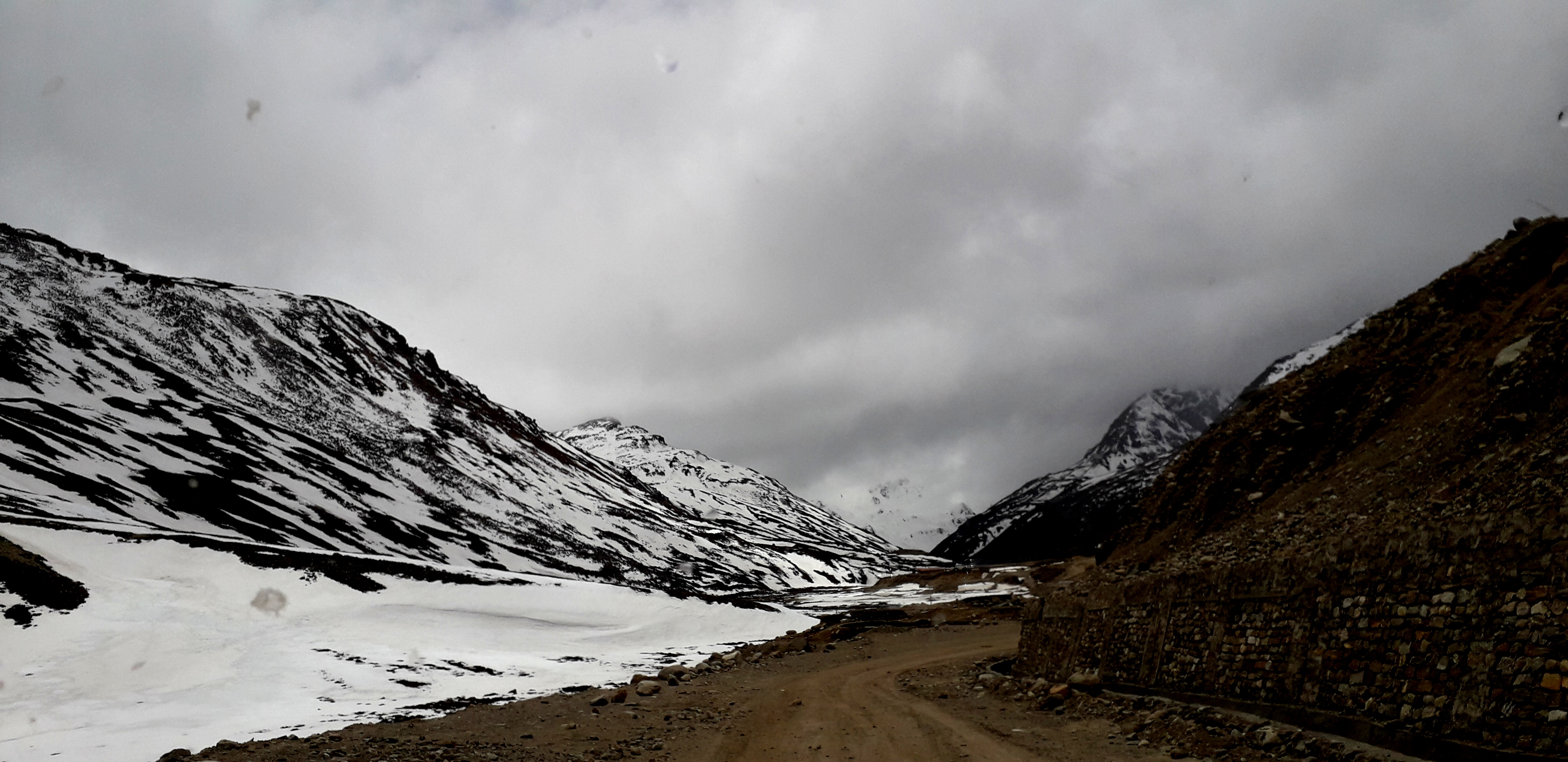
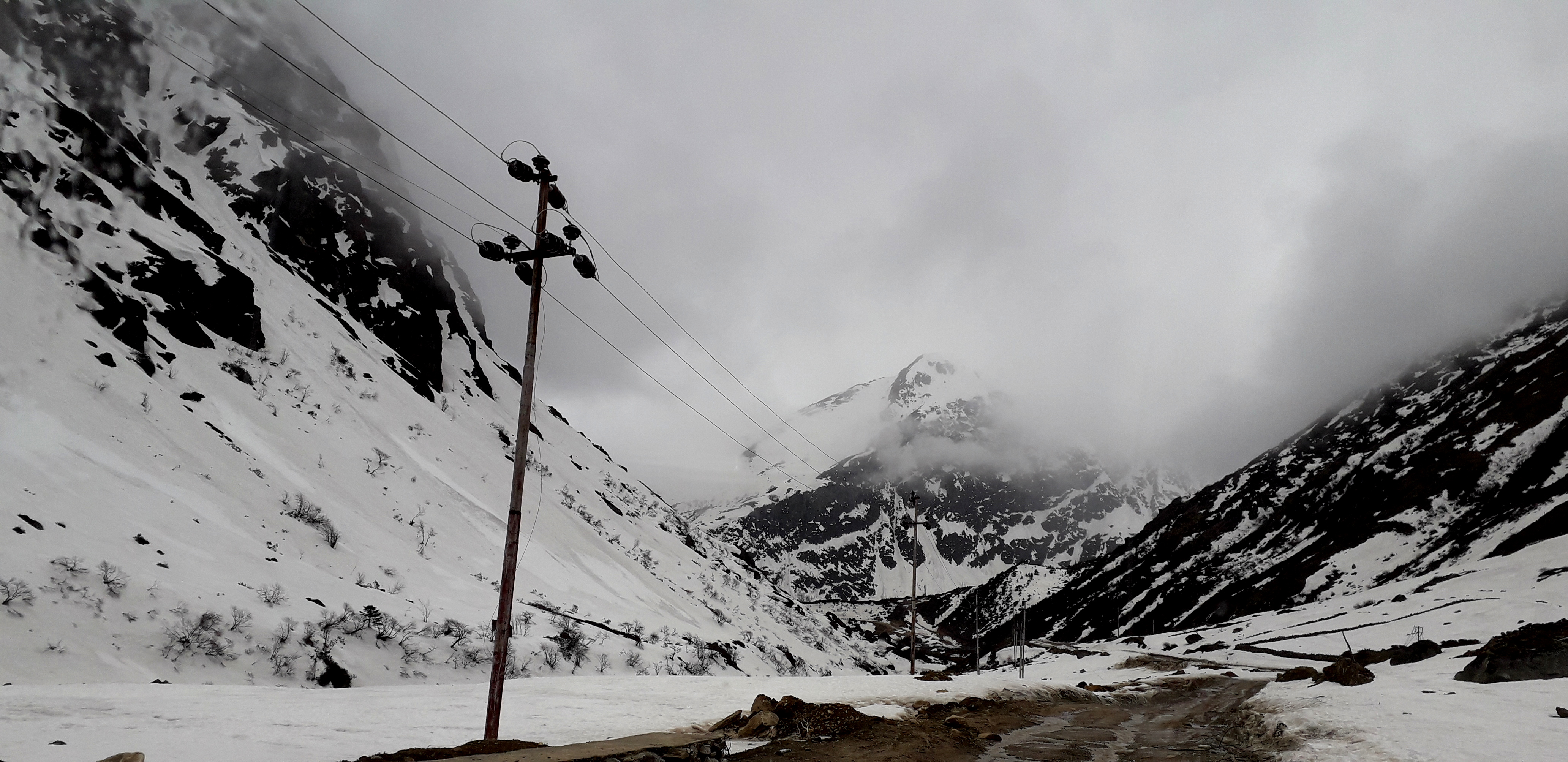
After the heavy rain on the previous evening the morning was fresh and quite sunny.Due to the rain the road became very slippery .Some one told us that the road was blocked due to heavy snowfall ,and we could go upto the check point just five kilometers away from Gurudongmar Lake .Our heart became very heavy .Still with positive note we started our journey .
Our first stop was at Thangu, a tiny hamlet with only handful of village huts and a large army base. Thangu is a valley with lush meadows located at an altitude of 13,000ft and about 35kms north of Lachen. It takes over 2hours to reach Thangu from Lachen. Within couple of hours the altitude changes by about 4,000ft. So you can imagine how steep the road is. There are a few stalls here where you can take tea and have hot noodles for your breakfast.
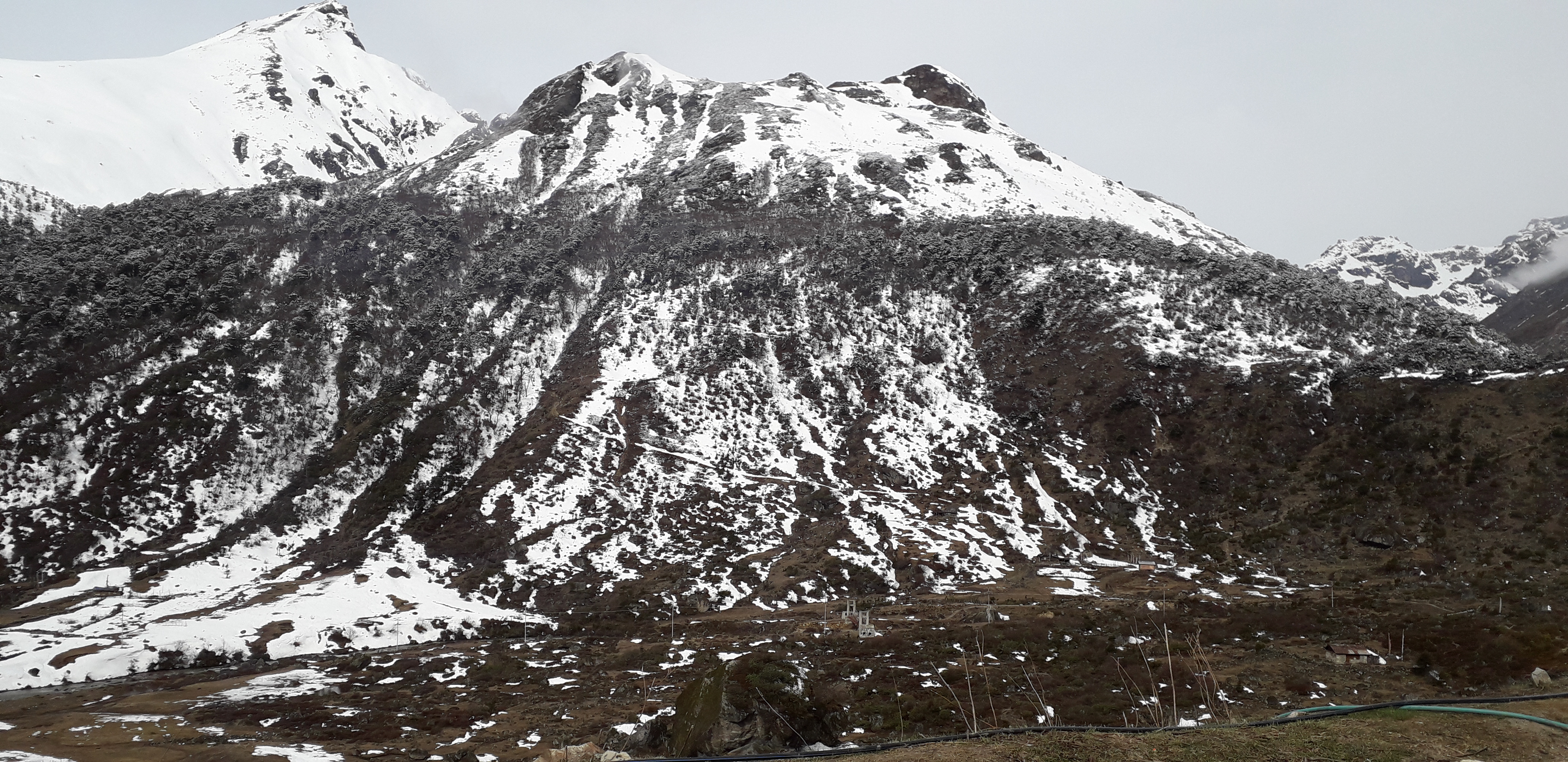
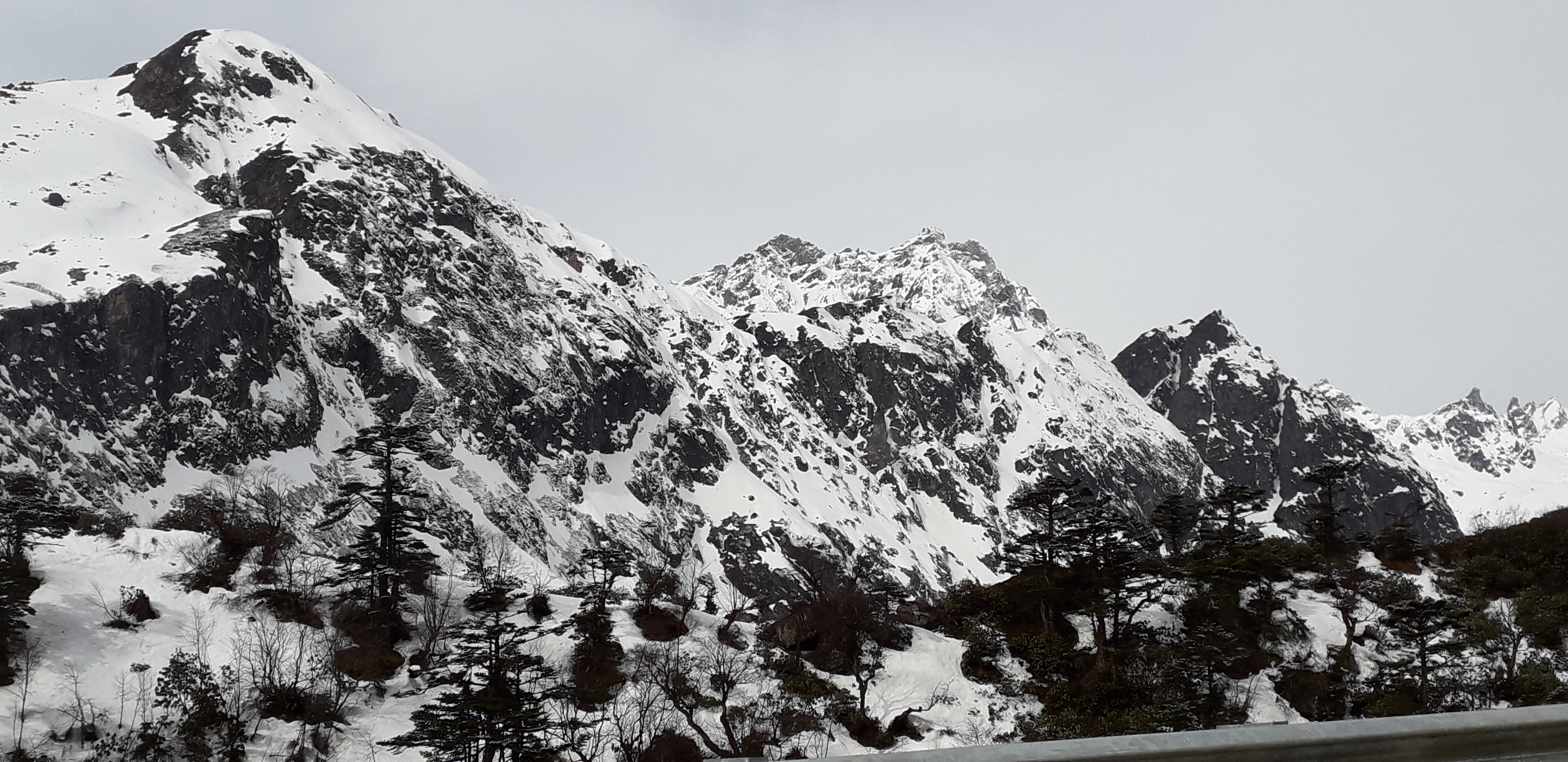
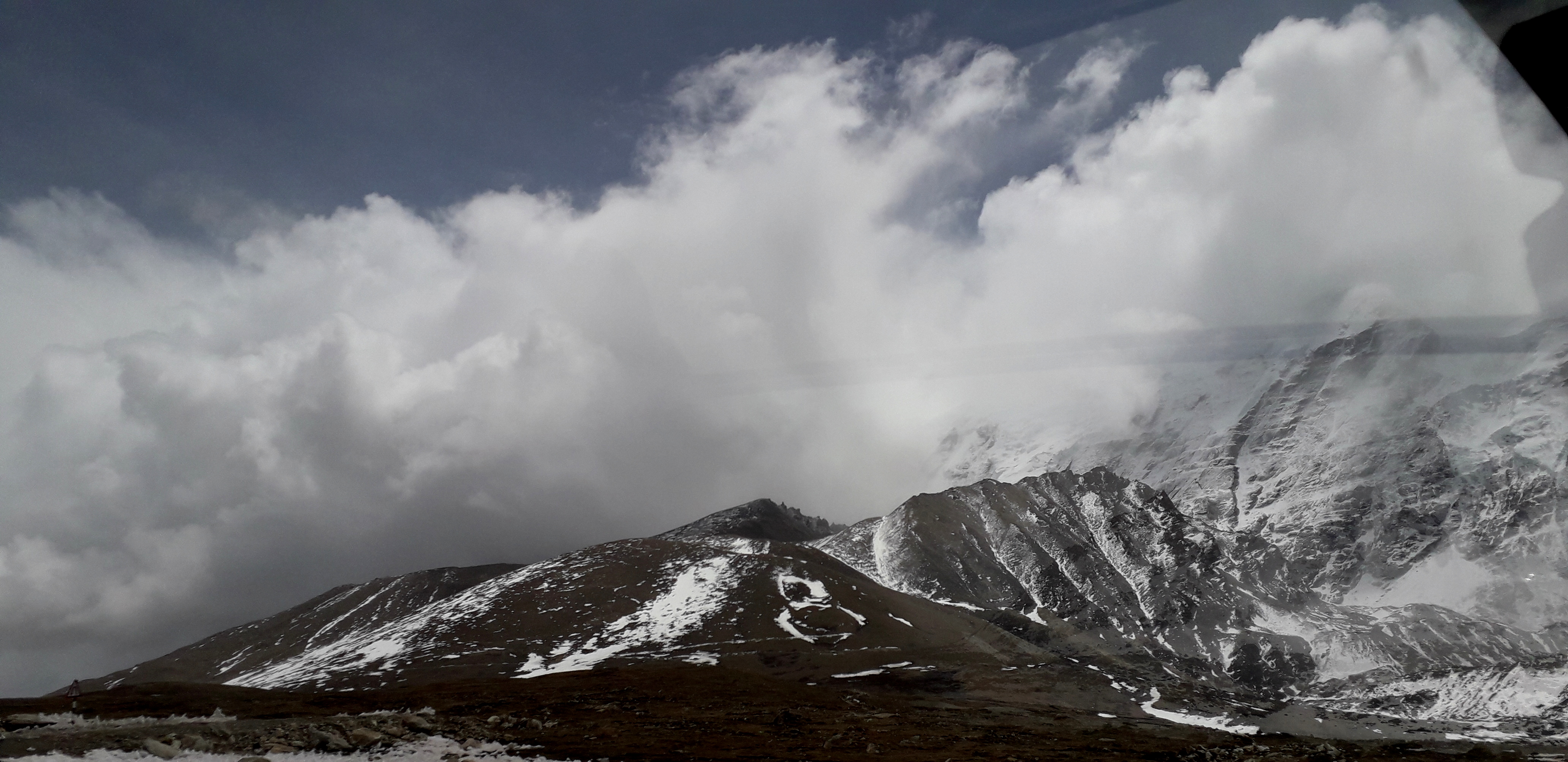
One can distinctly notice the change in foliage as we get to Thangu. From green forests or large trees, the foliage changes to mostly smaller bushes.One can see either brown soil of the mountain or the white snow or the blue sky .
At this high altitude one may feel vomiting tendency and dizziness .One might even face problem in hearing . People with high blood pressure and heart problem should avoid visiting this place .One might even face breathing problem .So it would be advisable to carry a small oxygen cylinder while visiting this place . One must carry hot water in a flask .Only hot water can give some relief in such places .
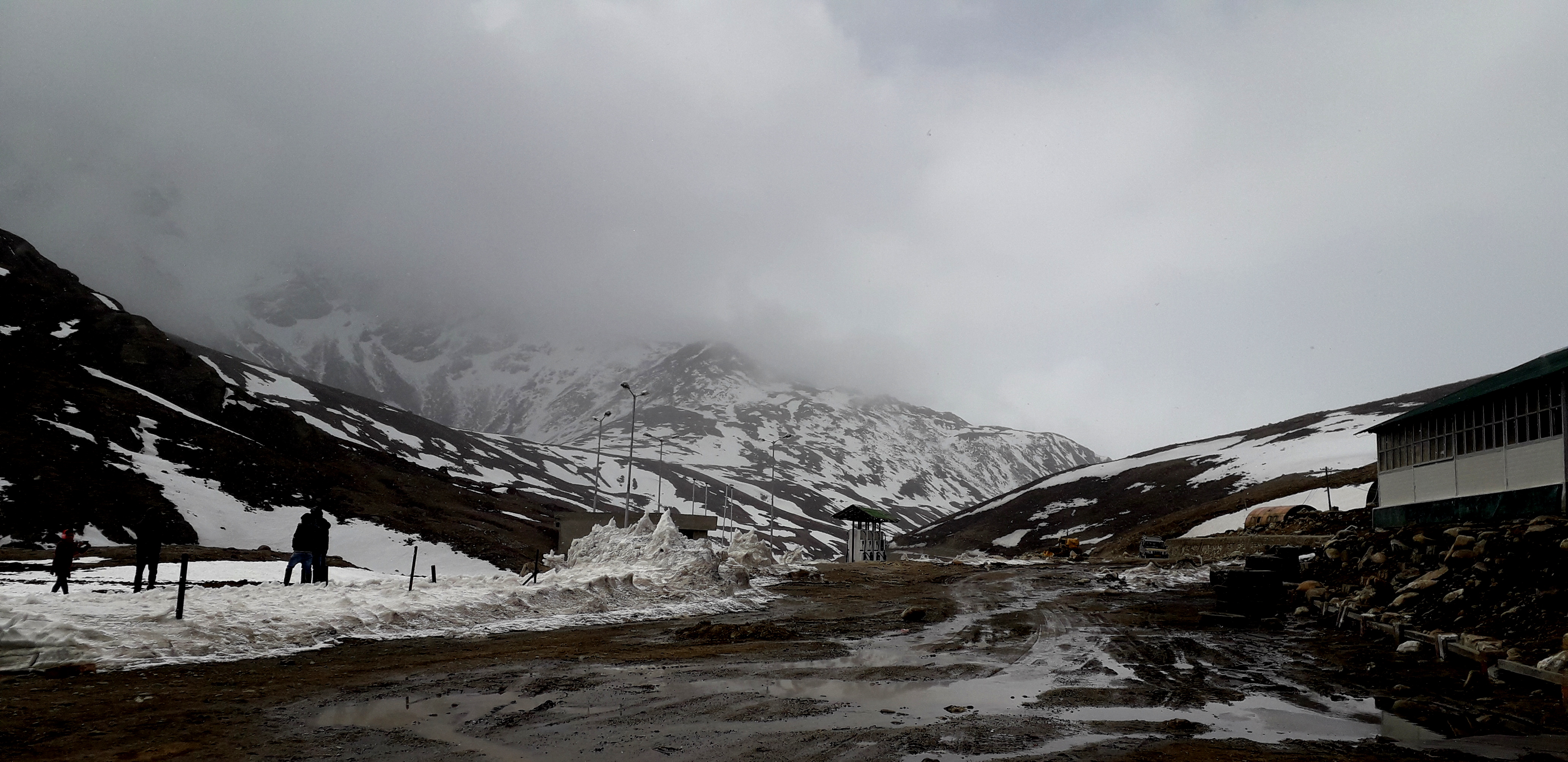
After reaching the police check point just five kilometers away from Gurudongmar lake we were told that the road is still closed and we can not go any farther .We have heard it in the home stay already so we just tried to console ourselves .We got down from the Bolero jeep .It was snowing there .This was the first occasion that am experiencing a snow fall .So I was very happy and excited . I thanked God for such a great experience . The snow flex were very light and falling like feather .It was amazing . We spent almost ten minutes outside and then decided to return .The other motors were also returning so we too had to return .So we started to get into the motor one by one with heavy heart .
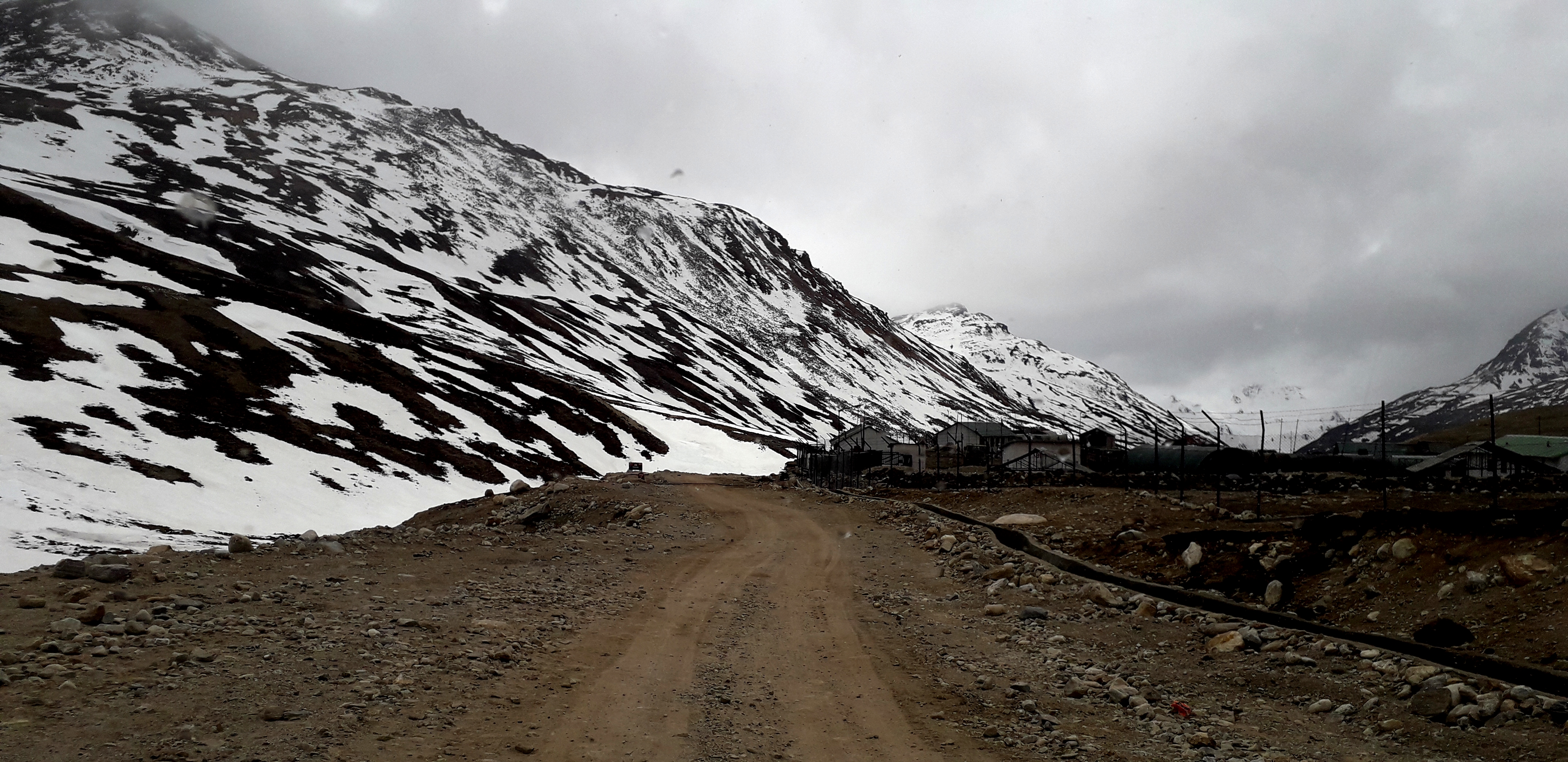
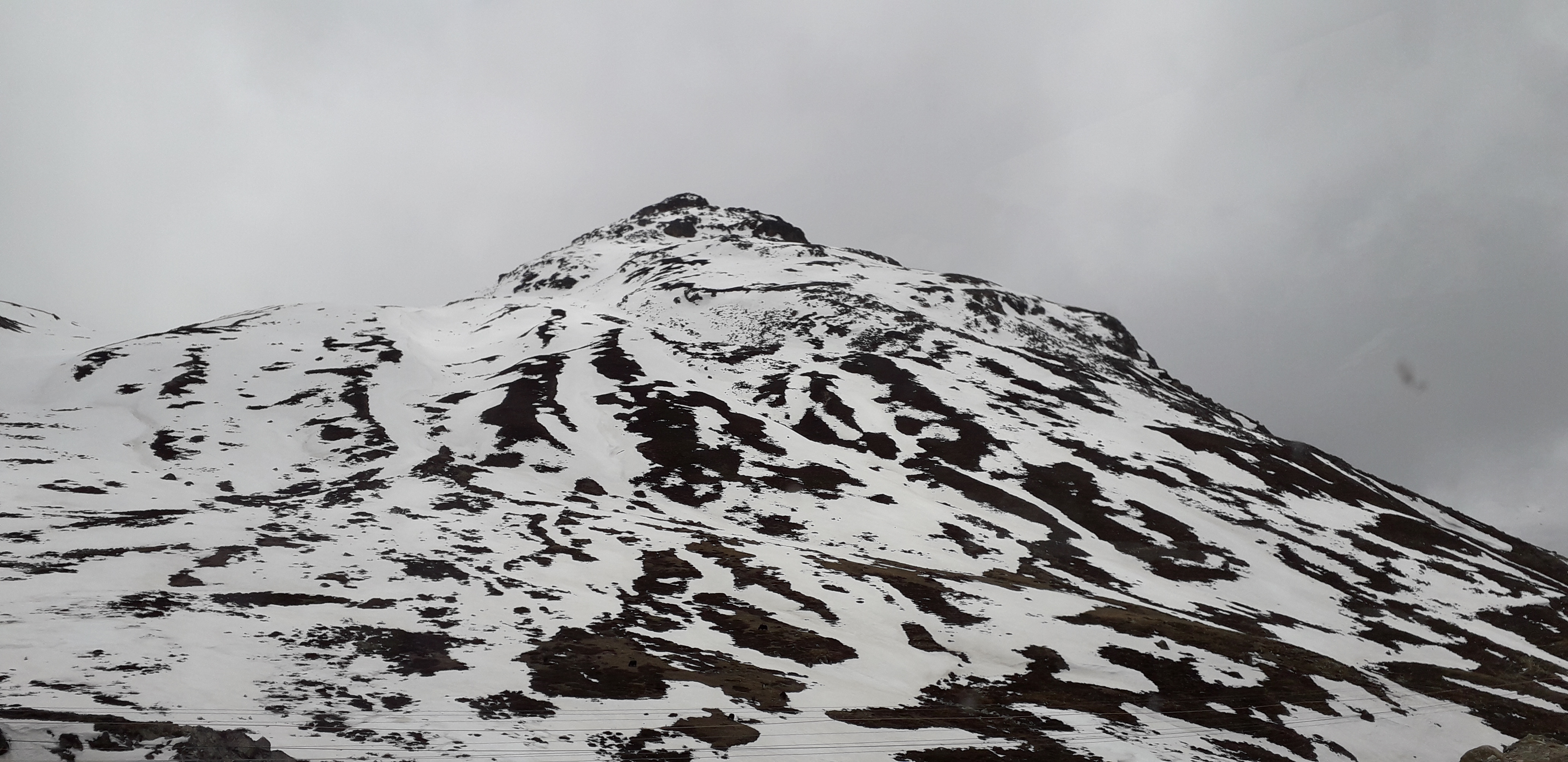
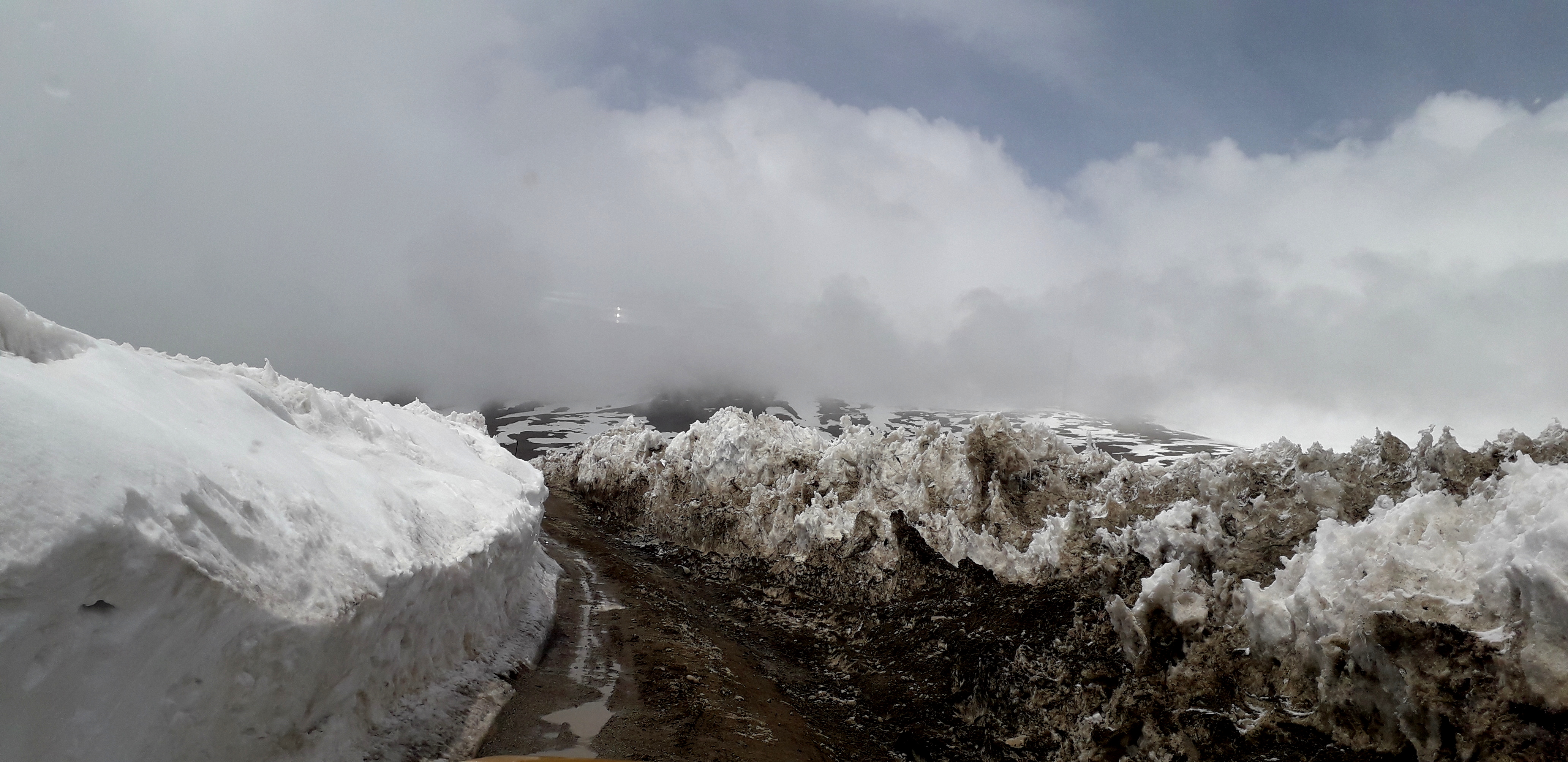
Suddenly a police guard rushed to us and told that the road is open now as the weather is becoming clear ,so we may go to Gurudongmar Lake .We all shouted ‘HURRAH ‘ and the next moment our driver turned the motor on the road towards Gurudongmar Lake . We were on our way to Gurudongmar Lake . Miracle happens ,at least it happened during our trip to the lake .We were just five kilometers away from the lake .The road was very bad. On both the sides of the road there was at least three to four feet high snow still there after clearing the road . At last we reached the lake .
It was feeling like Heaven . Still we had to walk nearly half a kilometer to reach the actual spot .It was still snowing .The walk to reach the lake was too tough as we are not habituated at such a high altitude .We all were almost out of our breathes .We were not actually feeling well in such a climatic condition . But the thrill to see one of the highest lakes of the world and in India kept us ready to reach our destination .
It was a all frozen lake . The lake is named after Guru Padmasambhava—also known as Guru Rinpoche—founder of Tibetan Buddhism, who visited in the 8th century It was a all frozen lake . It was an awesome experience to see the lake .We are grateful to God for giving us the chance to see the lake .
Gurudongmar Lake P.C. SUKANYA ROY CHOUDHURY The Frozen Beauty P.C. SUKANYA ROY CHOUDHURY Snow White Gurudongmar Lake P.C. SUKANYA ROY CHOUDHURY
The all white frozen beauty of the lake is just beyond my expression . I cherish to go there again in a different season to enjoy the heavenly beauty again .
If you wanna visit Gourdongmar lake you have to acclimatize your body before reaching there at an altitude of 18000 feet .We planned to go Gourdongmar Lake from Gangtok . So we decided to stay at Lachen to acclimatize our body before going to Gourdongmar Lake next day .
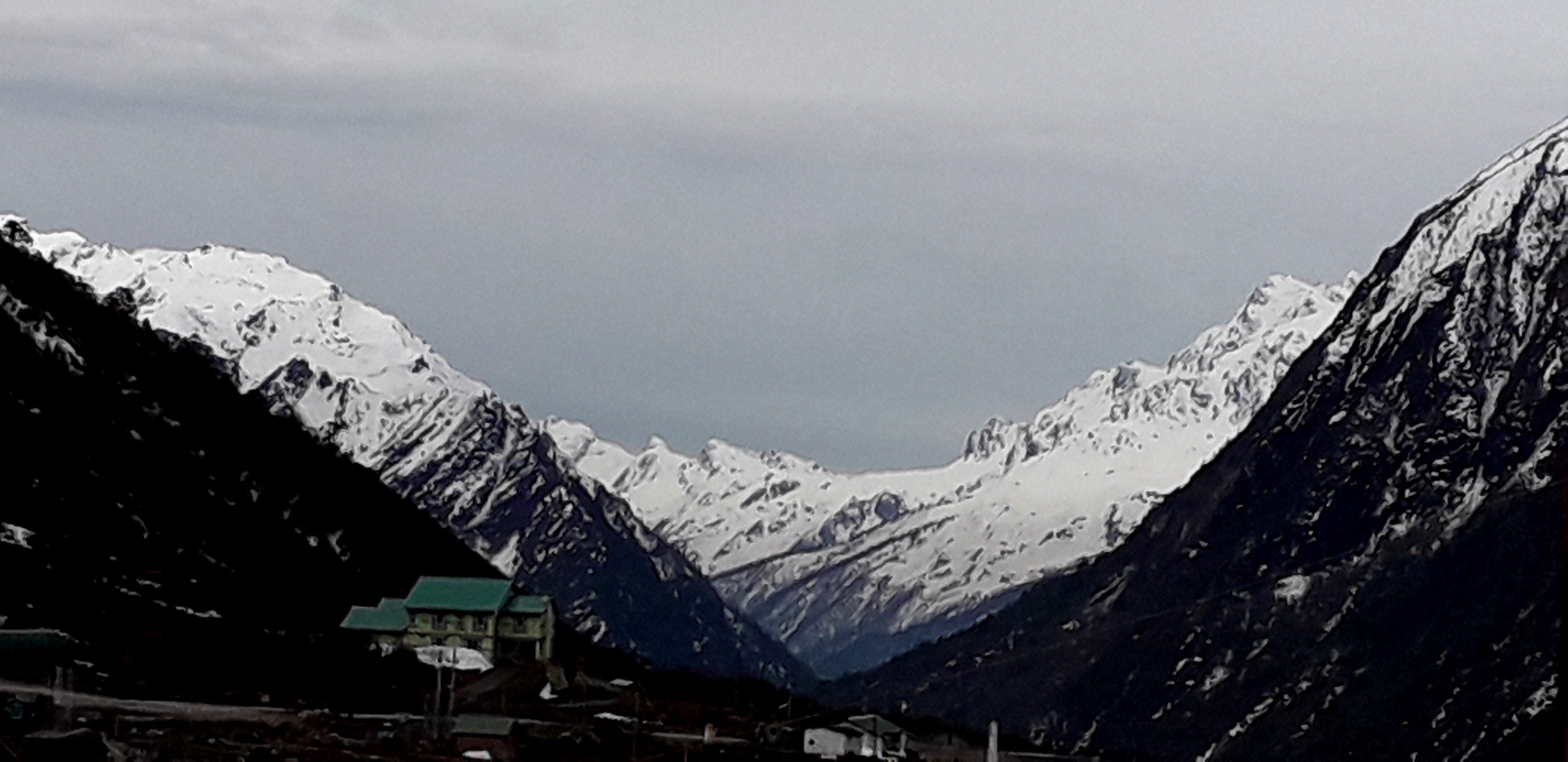
Lachen means Big Pass .This small village is situated at an altitude of 9000 feet.It is a valley with grassy land and scattered forests of Rhododendrons and coniferous trees .The mountain stream Lachen Chu flows through it in deep gorges .On the other side of the river steep mountain rises straight .
The Day Of The Journey
View From The Hotel Suit
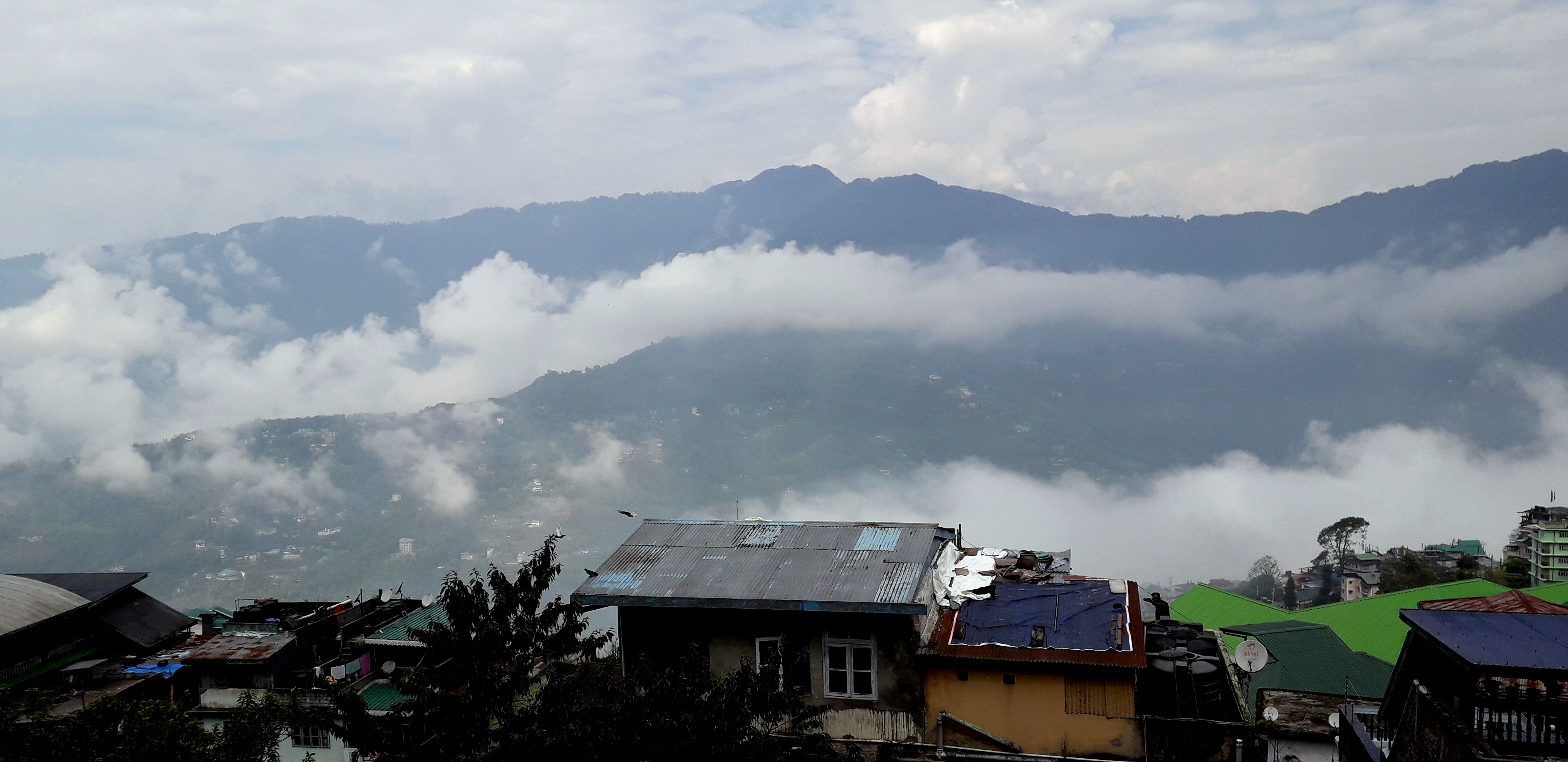
Gangtok was still in her slumber when I opened the window .Layers of clouds were dividing the mountain ranges . Mist like cloud was stealing its way into our hotel suit through the open window .
BEAUTY OF THE SKY
As I was looking to the sky it was becoming clear .White cloudlets were floating like fluffy cotton .We started near about ten o’clock in the morning from Gangtok. When we were waiting for our car the day started turning to a sunny day gradually though the morning was yet foggy .
View From The Motor Stand
We finally left Gangtok at about 11 am in the morning .Our reserved car was running fast leaving the Gangtok city behind . We could see the other angles of the mountain .We crossed the river and took our route towards Lachen .Mountain and falls were calling us and we were running as if we were hypnotized with the beauty of the blue mountain. The greenery of the pine trees were just stunning .
Butterfly Falls
The beauty of a mountain stream forced us to take a close look at it . We could notice the sparkling water falls flowing, creating designs on the lap of mountain . The droplets were falling like pearls and its tinkling sound were really amazing .
Cardamom Plantation
Cardamom plantations were in abundance everywhere and the mountain ranges were standing far in such a way as if they were playing hide and seek with us .
Mountain Is Deep And Dark
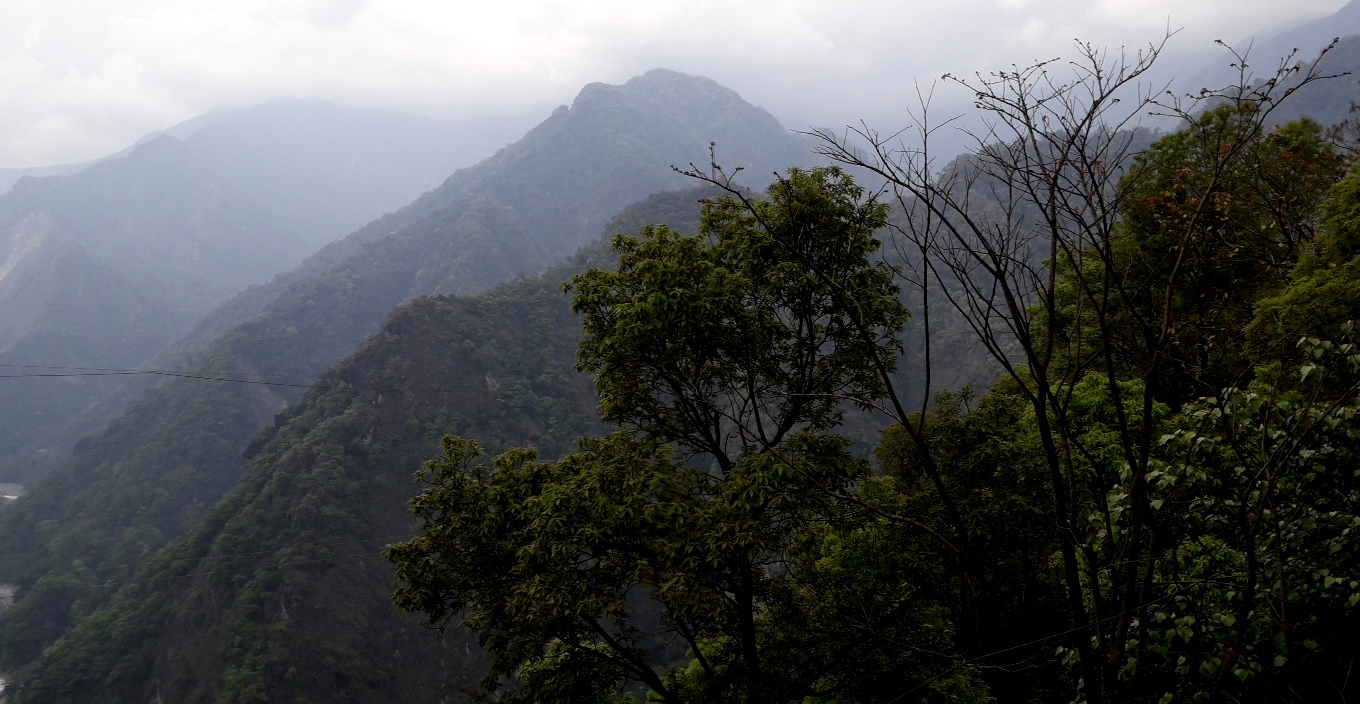
The beauty of the mountain was unfurling as we resumed our journey .The mountain looks different with every twist and turn of the zigzag road .Sometimes the mountains seem to be dark and deep in colour and the fresh green touch of the leaves of the trees enriches its beauty .
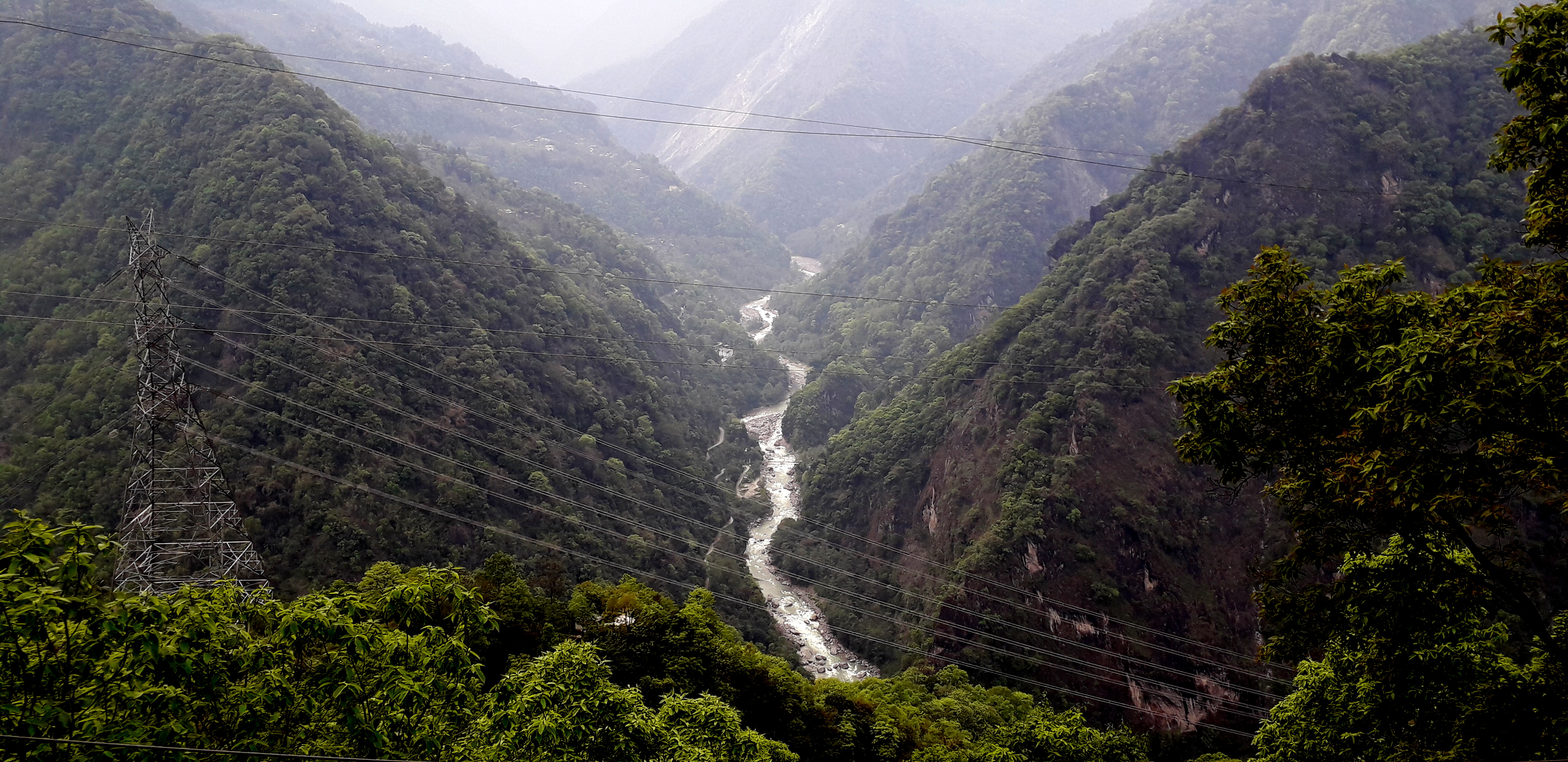
River Teesta Is Lying In The Valley
River TEESTA was appearing from here and there .
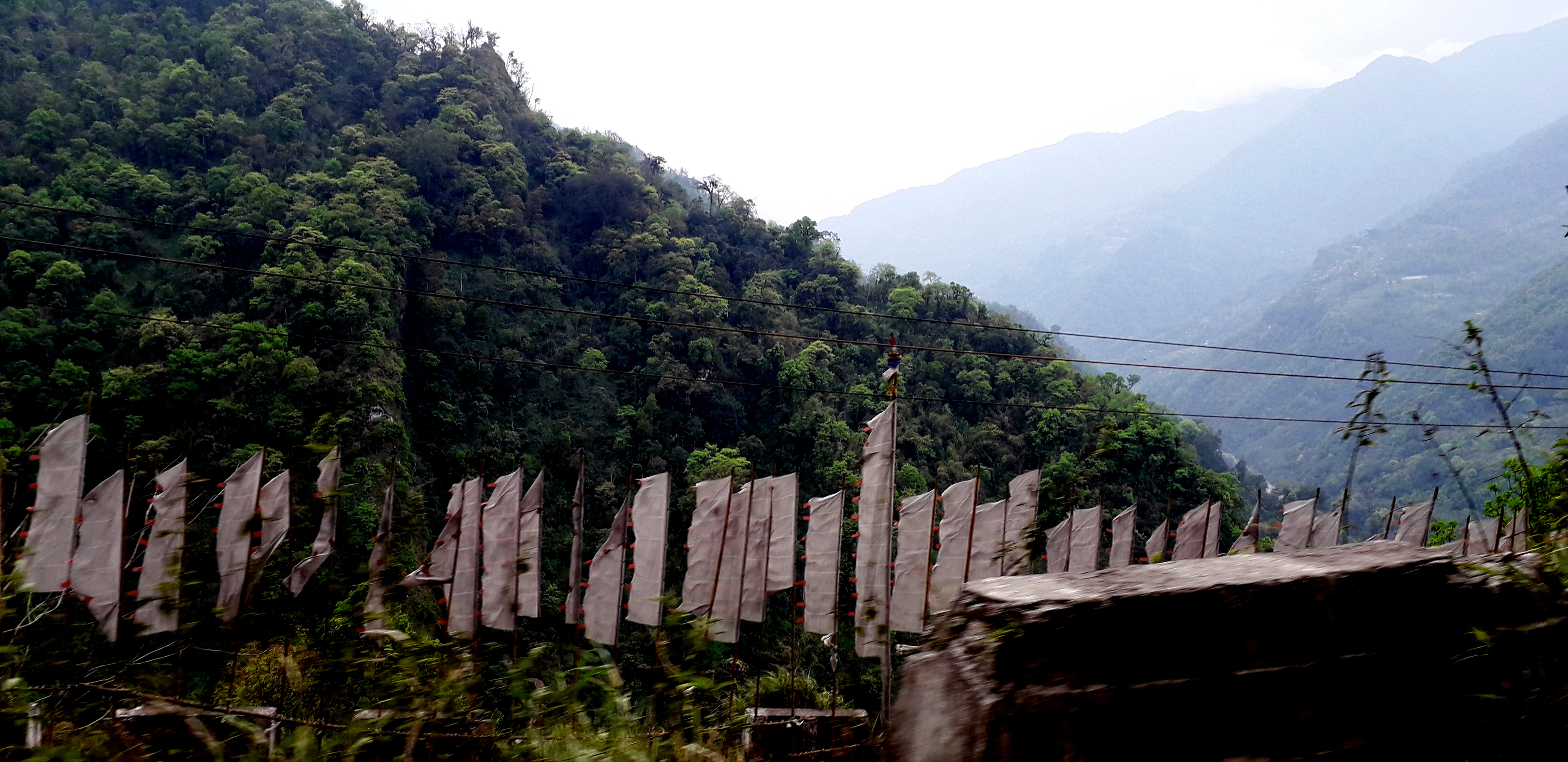
Flags Welcome Us
Colourful flags were welcoming us .At TEESTA view point we stopped again to enjoy the beauty of river Teesta .
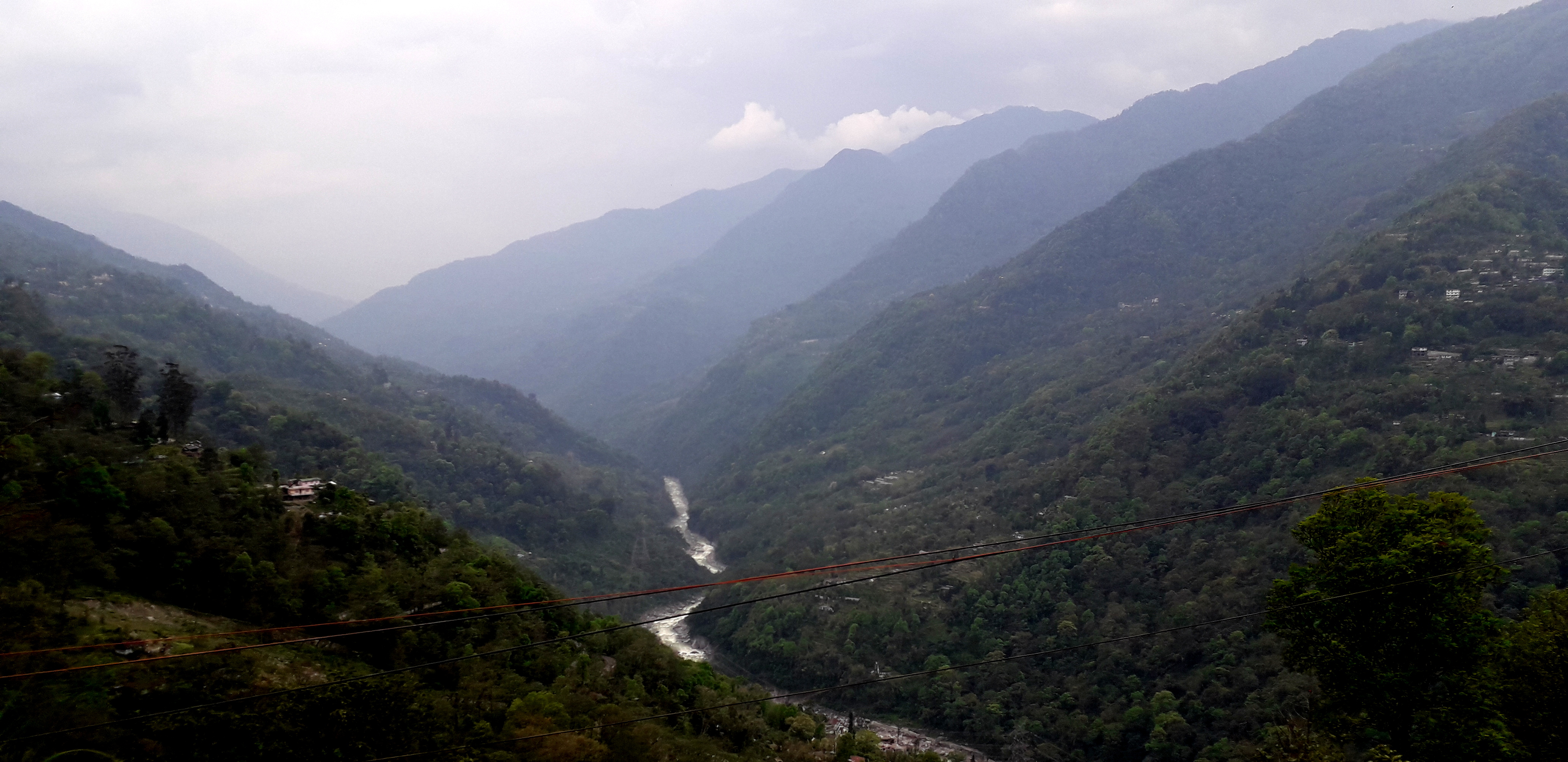
Beauty Of The Valley
On both the sides mountain ranges were standing with its calm and majestic might .River Teesta was running fast piercing the bosom of the mountains .It was an awesome view to watch the river from the view point of Teesta .
Next we stopped at MANGAN POLICE STATION for checking of the papers of permit which we made earlier in Gangtok .The landscape was changing its beauty from turn to turn .The steep mountain was becoming steeper and sometimes becoming terrible .
At The View PointRough Patches Of The Road
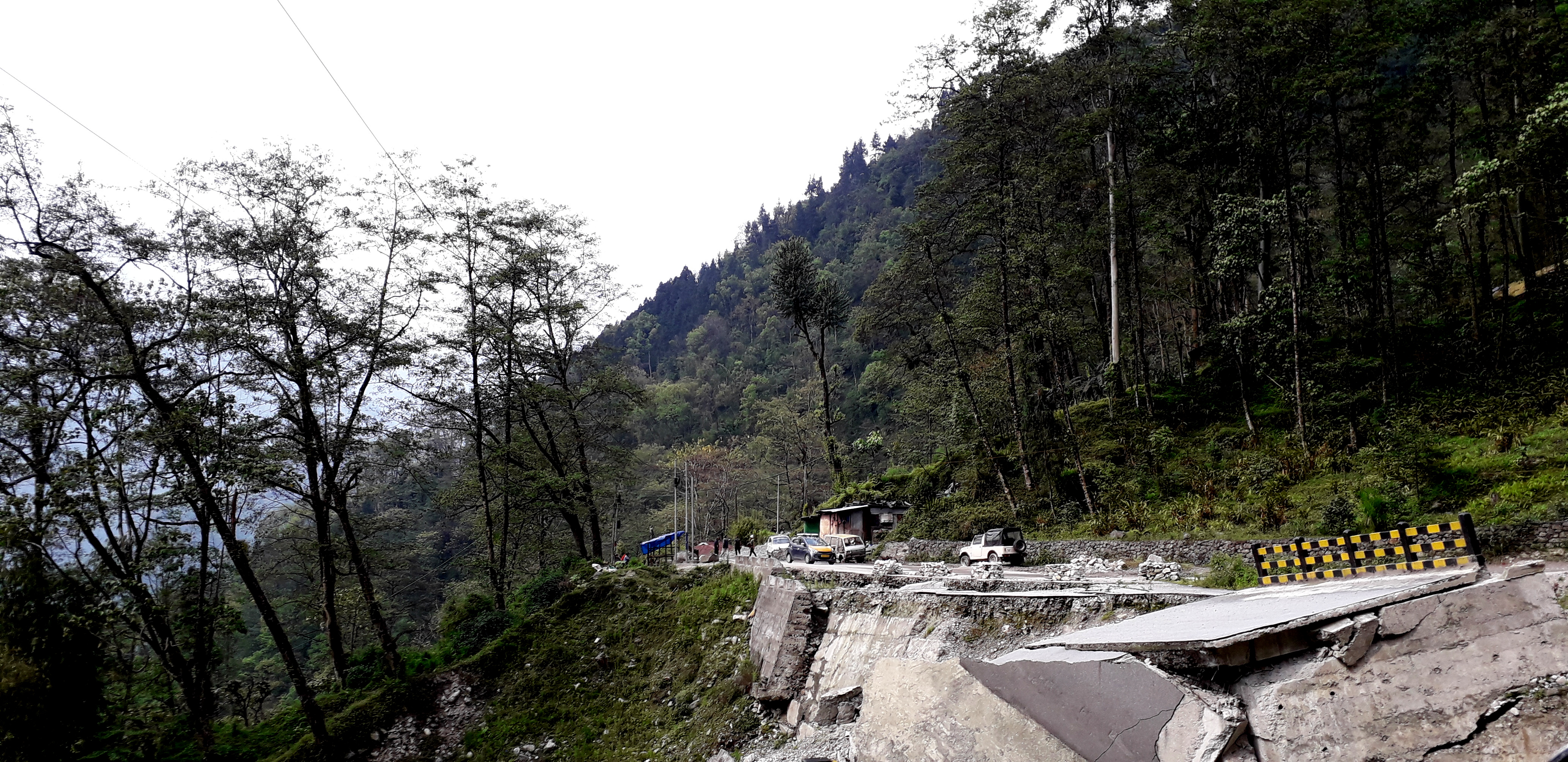
The landslides that we saw in the rout was devastating .Still life goes on .With the rise of the higher altitudes weather was also changing .We could feel the chill of the breeze .
Heavenly
At about 4000 feet altitude we reached Toong another check post .With the calm gravity of the mountain our mind also become calm and quite .
Lovely Bushes
The restless excitement goes away and an enlightened serenity fills the mind .But excitements were still waiting for us . Suddenly we were going through a tunnel in the mountain to go from one side to the other side. The journey through the tunnel was just enchanting .Again we were charged and regained our normal spirit .
The Tunnel
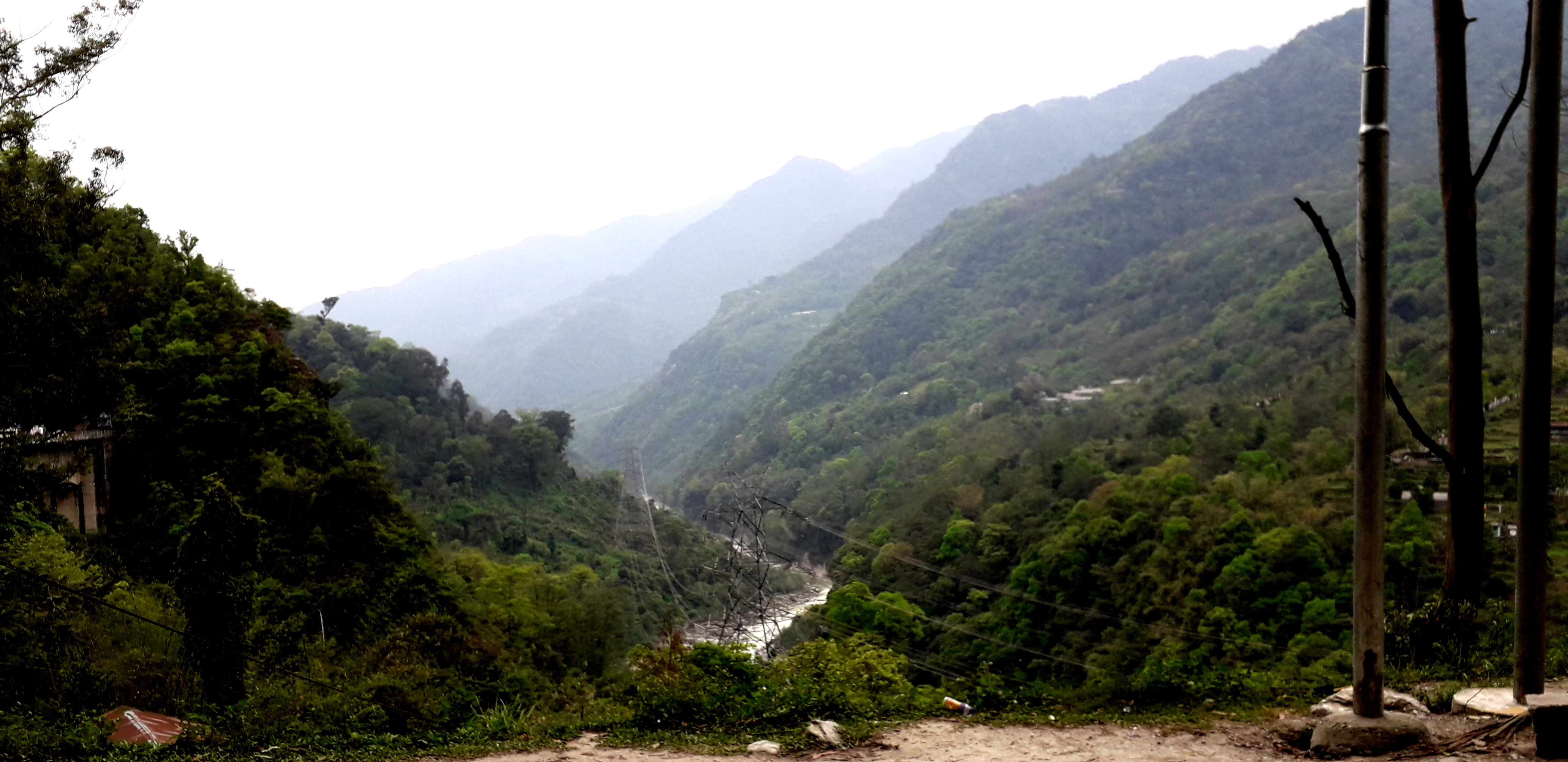
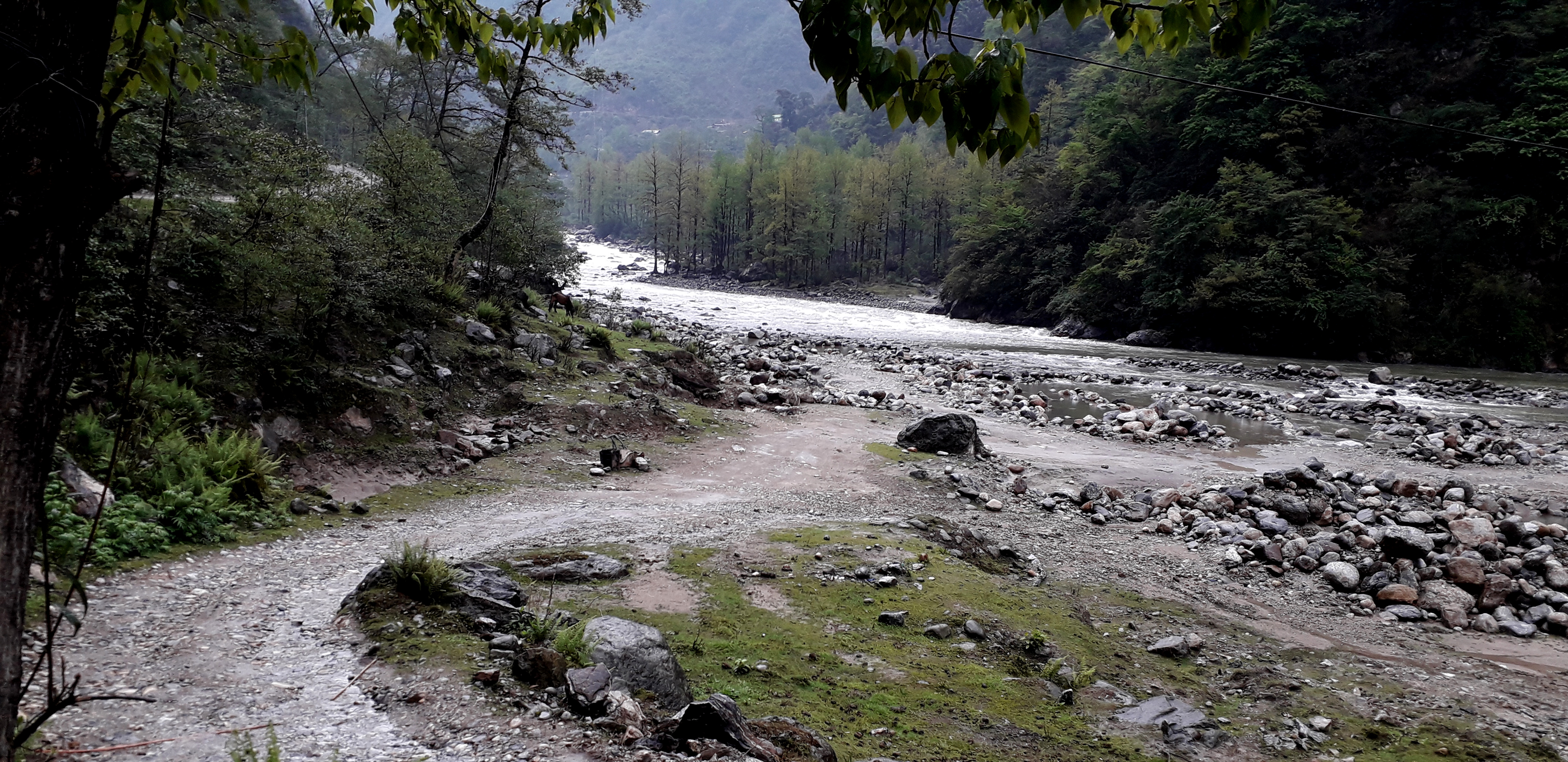
River teesta was running along the road with us .The nature was just awesome .
River Bed
Suddenly we felt we were covered with thick fog .The driver explained that it was a cloud not fog .I was trying to visualize myself wrapped in cloud .It was amazing .
Floating Cloudlets
We could see clouds were floating just beside us .Suddenly every thing was covered in a thick fog .Again we could understand we were inside a cloud .Never I had any experience like this before .Our car was gradually drawing near our destination .
Majestic Beauty
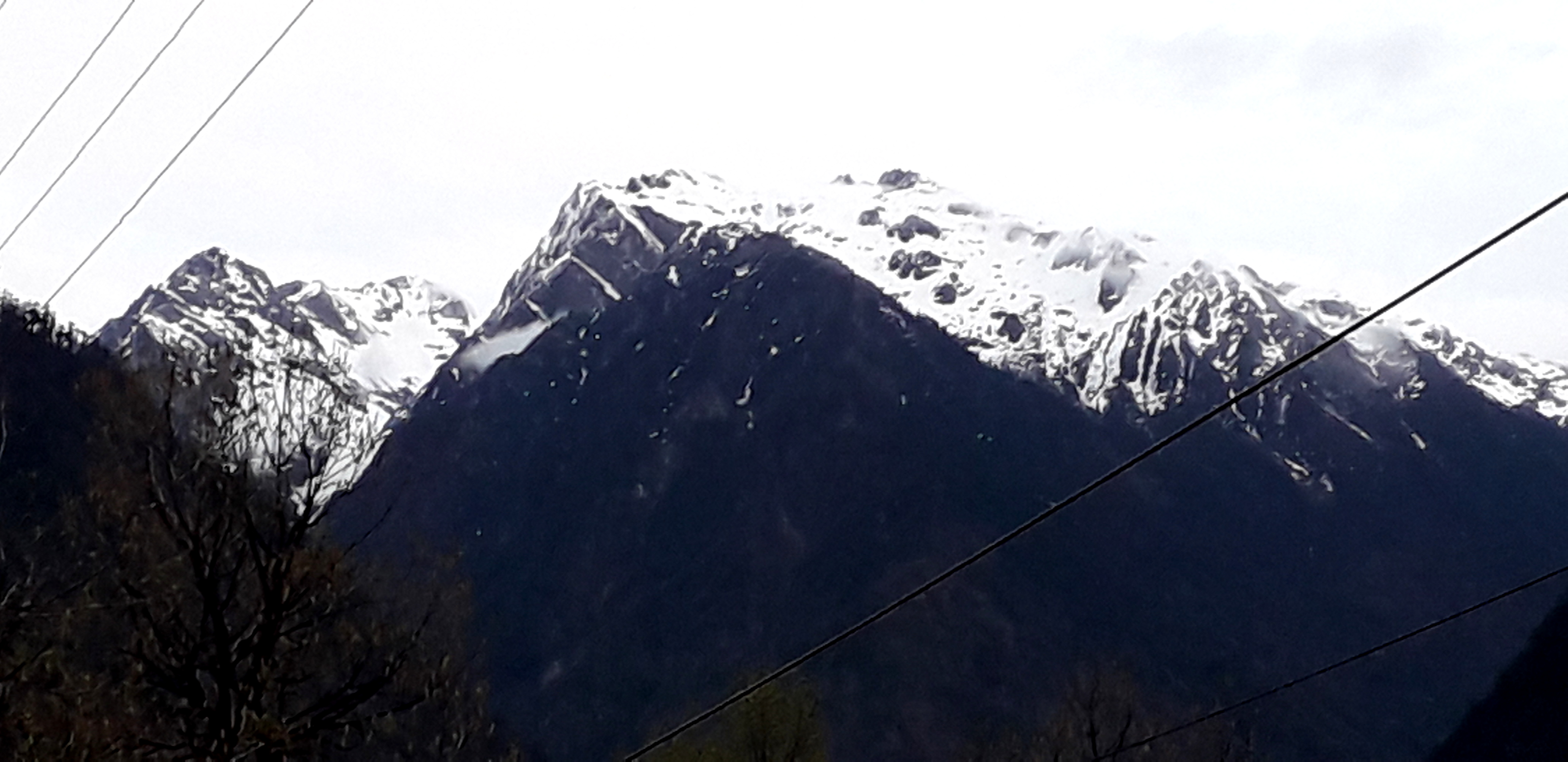
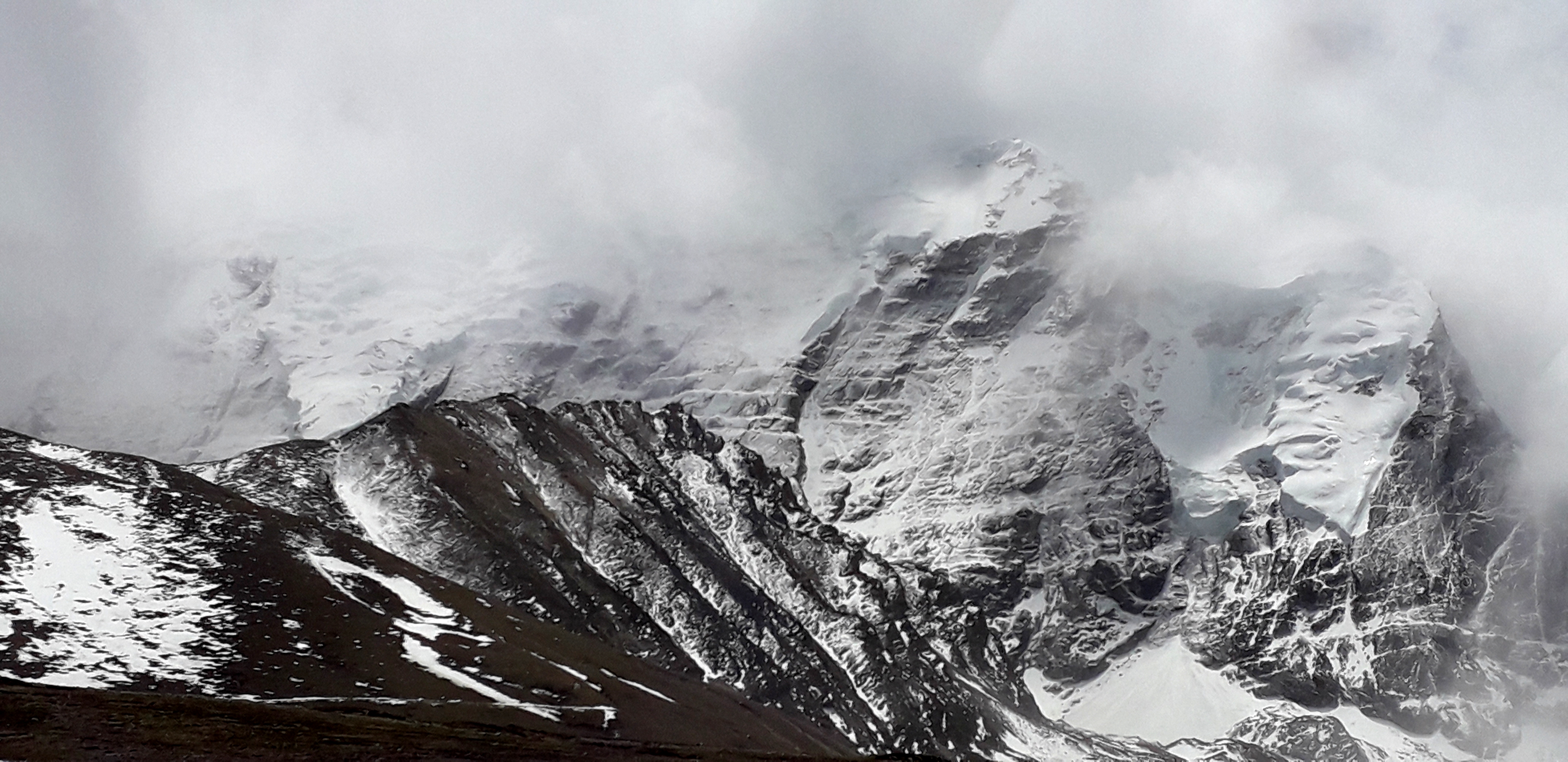
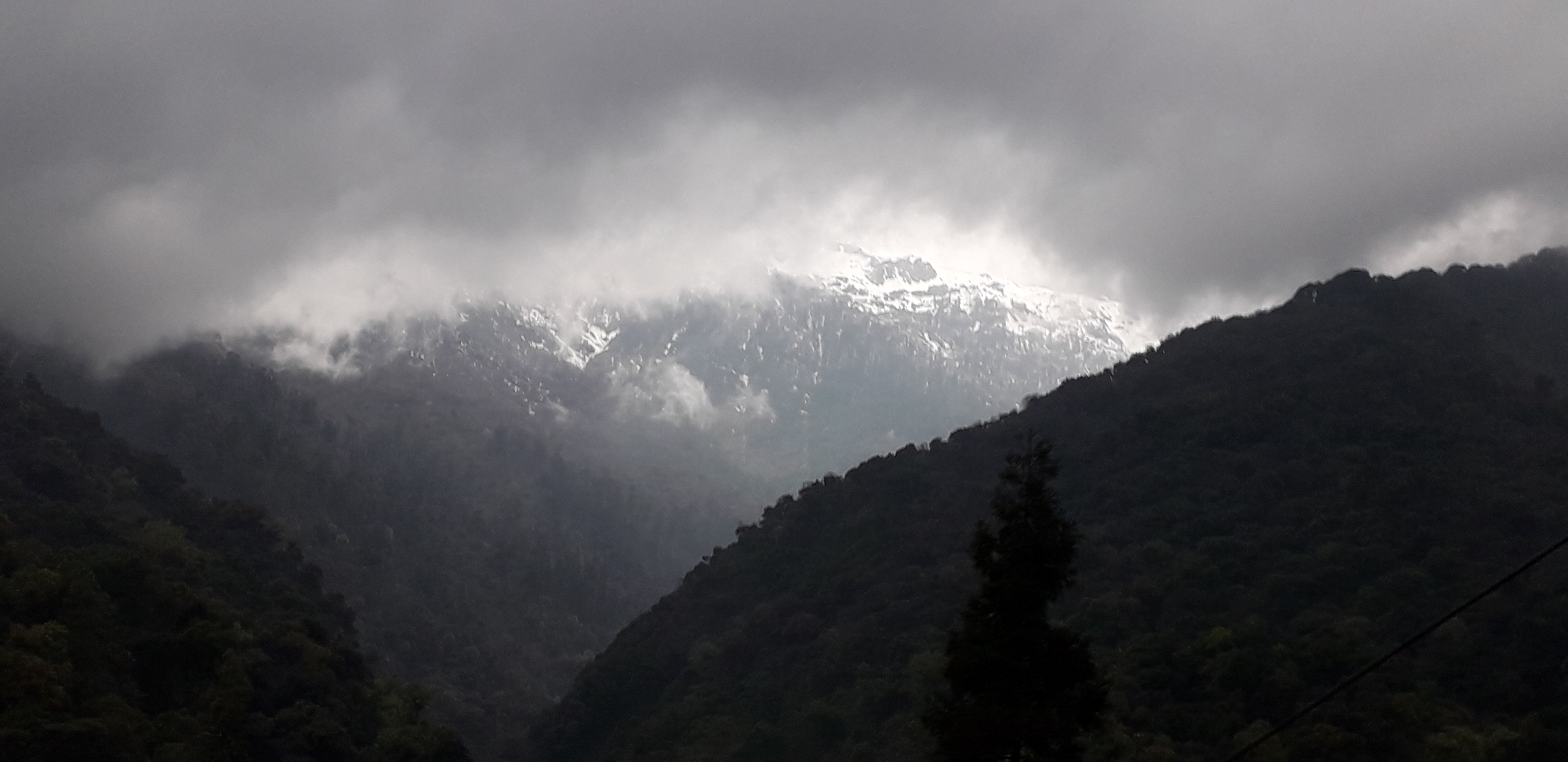
Suddenly piercing the cloud wrapper we could see the silver lining of snow on the top of the mountain .We cheered in joy like a child .It started to rain .Everything was becoming hazy . At last we reached our home stay for the purpose of acclimatization before going to our final destination Gourdongmar Lake .
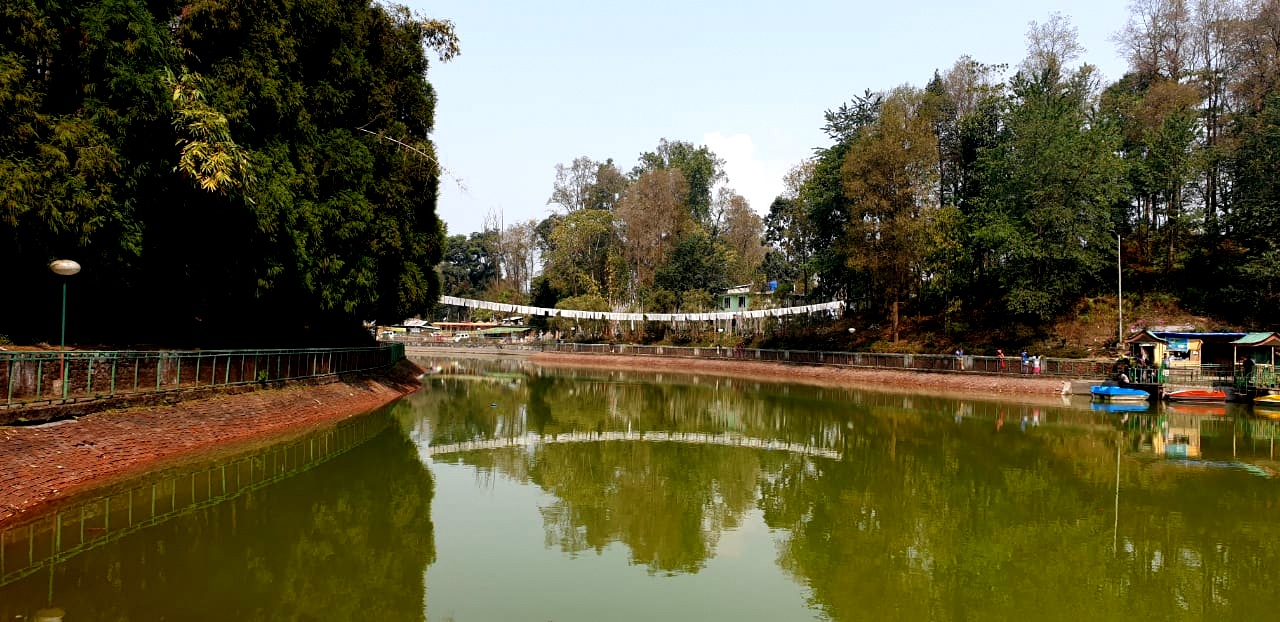
Aritar is a beautiful place in the sub-division of Rongli, Sikkim .This place is famous for its natural lake and scenic beauty . It is situated in the range of the Himalaya.It is famous for the lake named Lompokhari .This boot shaped lake is situated at an altitude of 4600 feet and is 1120 feet long and 240 feet wide.
Lompokhari Lake
If you love to stay a night in the lap of nature then Aritar could be an ideal destination .This is one of the oldest path to the old silk route . In the midst of alpervading mountain this natural lake stands with its calm and quite beauty .When bright sunlight falls on the lake water it looks heavenly .
The emerald green lake
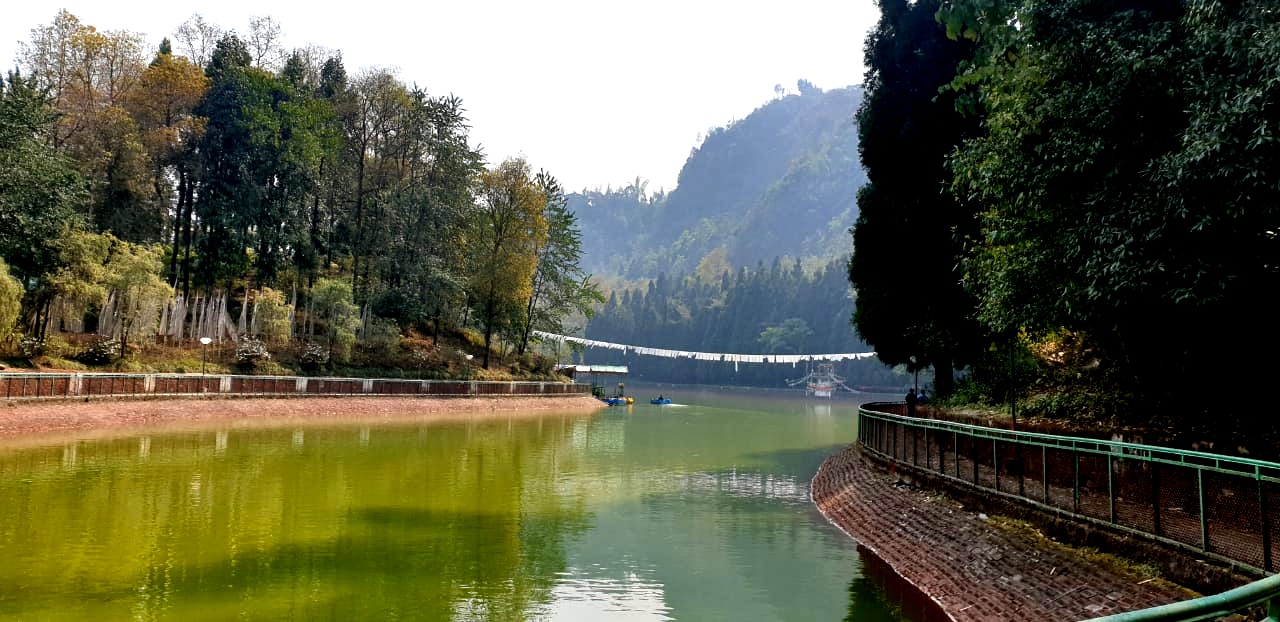
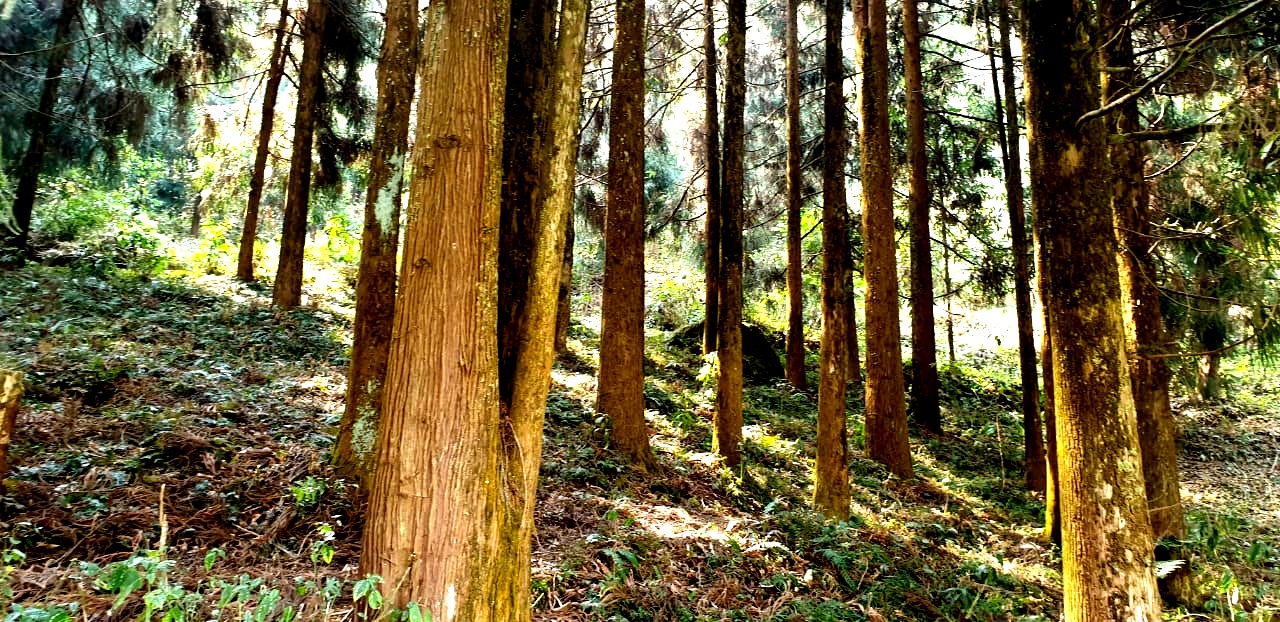
The tall coniferous trees add beauty to the lake .
Amidst the all green trees the green lake reflects like a gem .You can find
colourful fishes swimming in the water .Local people believe that if you feed
these fish you will go to the Heaven
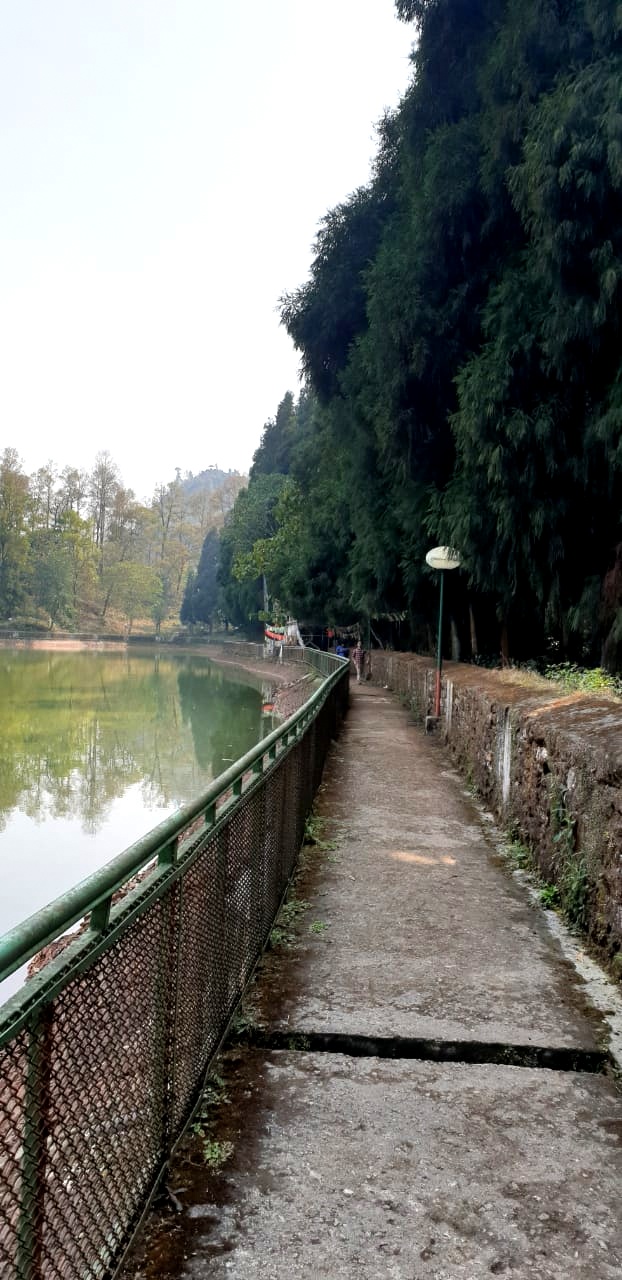
The path around the lake
The lake is surrounded with iron railing .One can enjoy a walk along the pavement surrounding the lake while listening to the chirping of the birds . Swans swim in the lake water .
The pine forest
Time will pass by looking at the tall trees yonder .You may even take a few steps climb on the mountain to test your stamina . You can also hike up the pathway towards Mankhim and get a spellbinding view of the valleys and lake. After walking around the lake if you feel tired just take some rest with a cup of tea or coffee in the stalls .You can even taste freshly made momo here looking at the opposite water falls .
A view from the tea stall
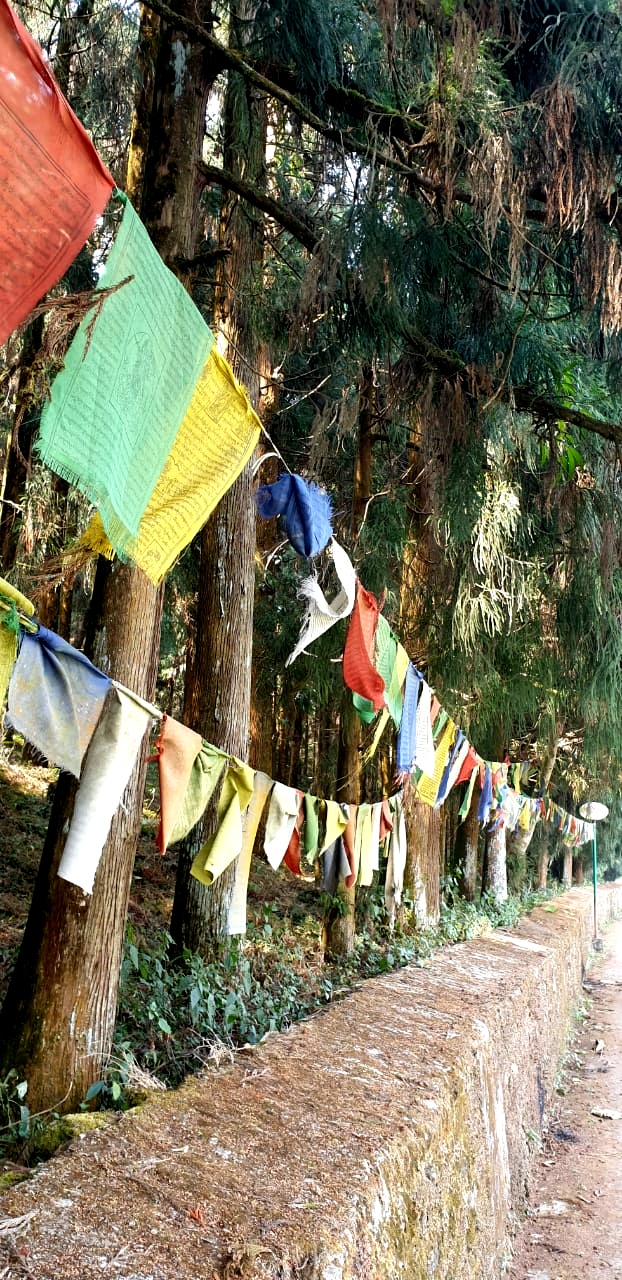
At present boating is also introduced in the lake for the entertainment of the tourists .One can see the colourful flags hanging here and there .
Colourful flags
There is also a small shrine on the banks of the lake dedicated to Guru Padmasambhava. The best time to visit this lake is from March to May since the weather remains pleasant and cool. There are a few home stays which can be booked on line . Besides the lake you can also visit the Mankhim temple that is positioned right beside the lake. Overall this is a nice place for spending time on the way to ‘old silk route’ .
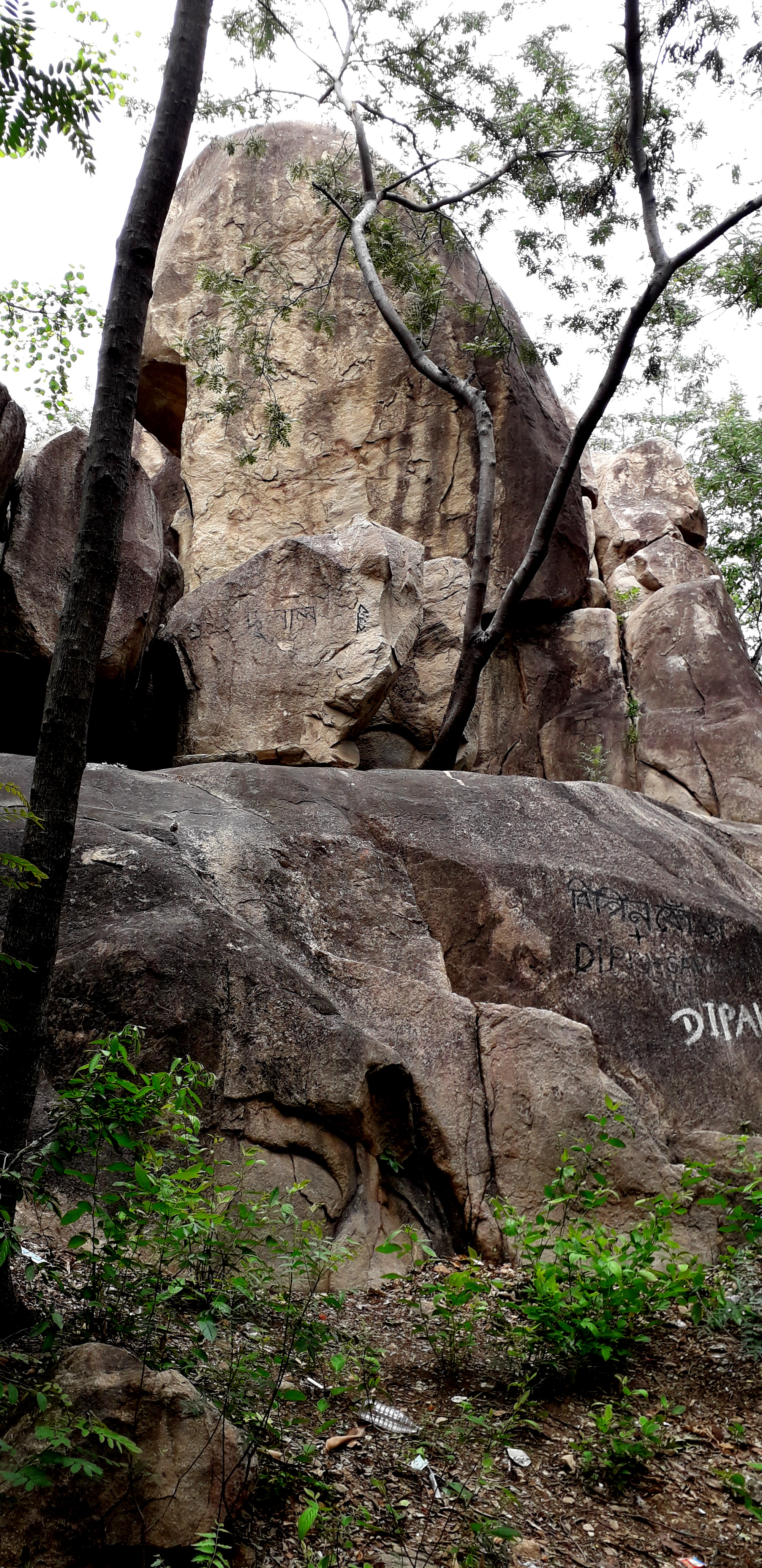
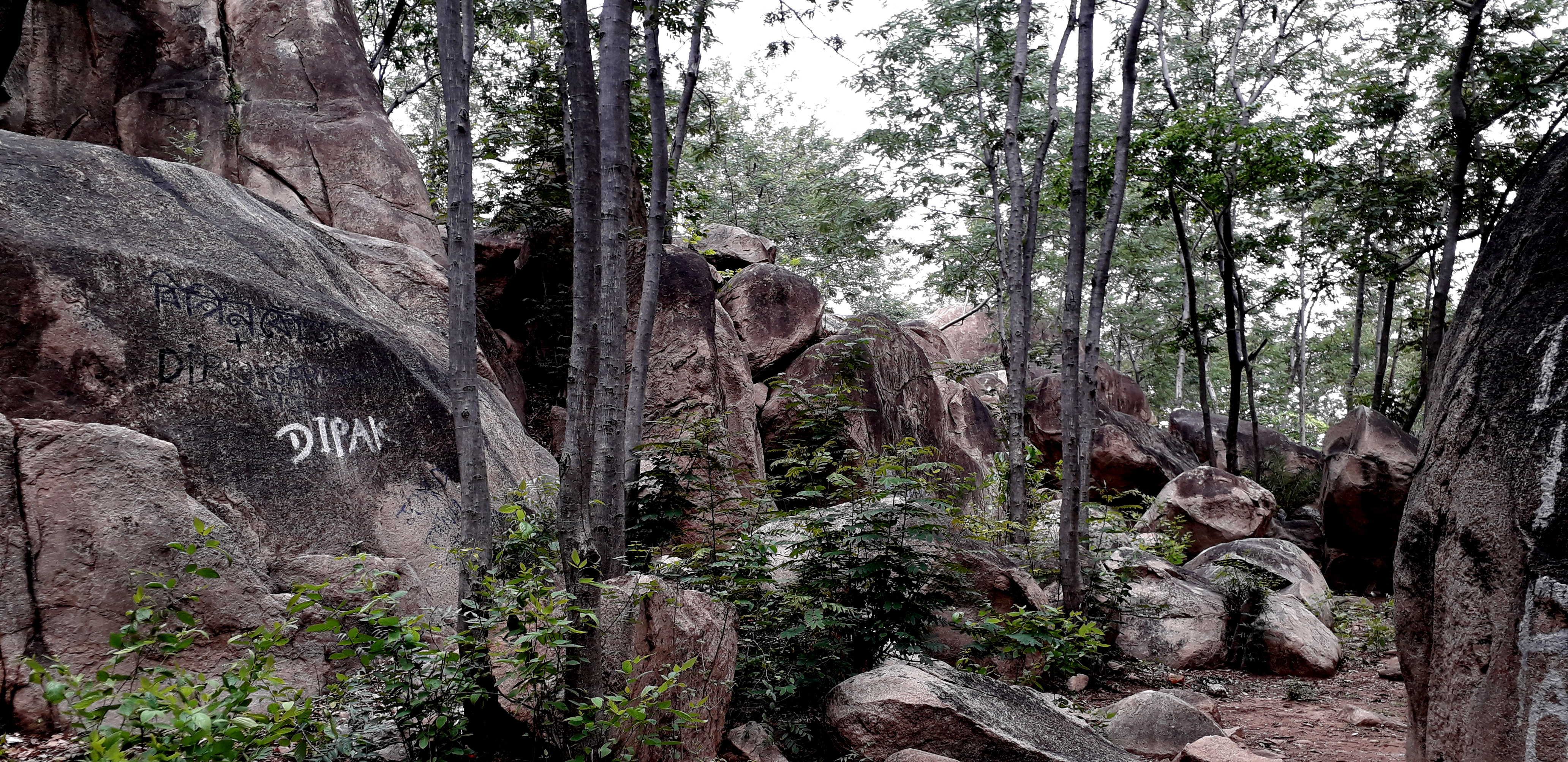
Have you ever enjoyed the beauty of any stony landscape ? No am not talking about Stonehenge or about any cave ,It is the beautiful stony landscape of Mama Bhagne Pahar area . Pahar means hill but it is not actually hilly in nature .It is rather the extention of Chotonagpur Platue .Very big sized rocks balance on each other and form a unique land form here .Thus creates a natural stony beauty of the landscape .The gigantic rocks cust a spell and allure to take a walk amidst the hills and ultimately climb them .
Just look how these almost spherical natural boulders of granite rocks balancing on each other create a stony beauty .This landmark is the special feature of the area named MAMA BHAGNE (maternal uncle and the nephew) at Dubrajpur in the district of Birbhum,West Bengal.These granite hills are made of glassy quartz , pink and gray feldspar and black mica . At the foothill of these hills is the temple of PAHARESWAR ,Lord Shiva .
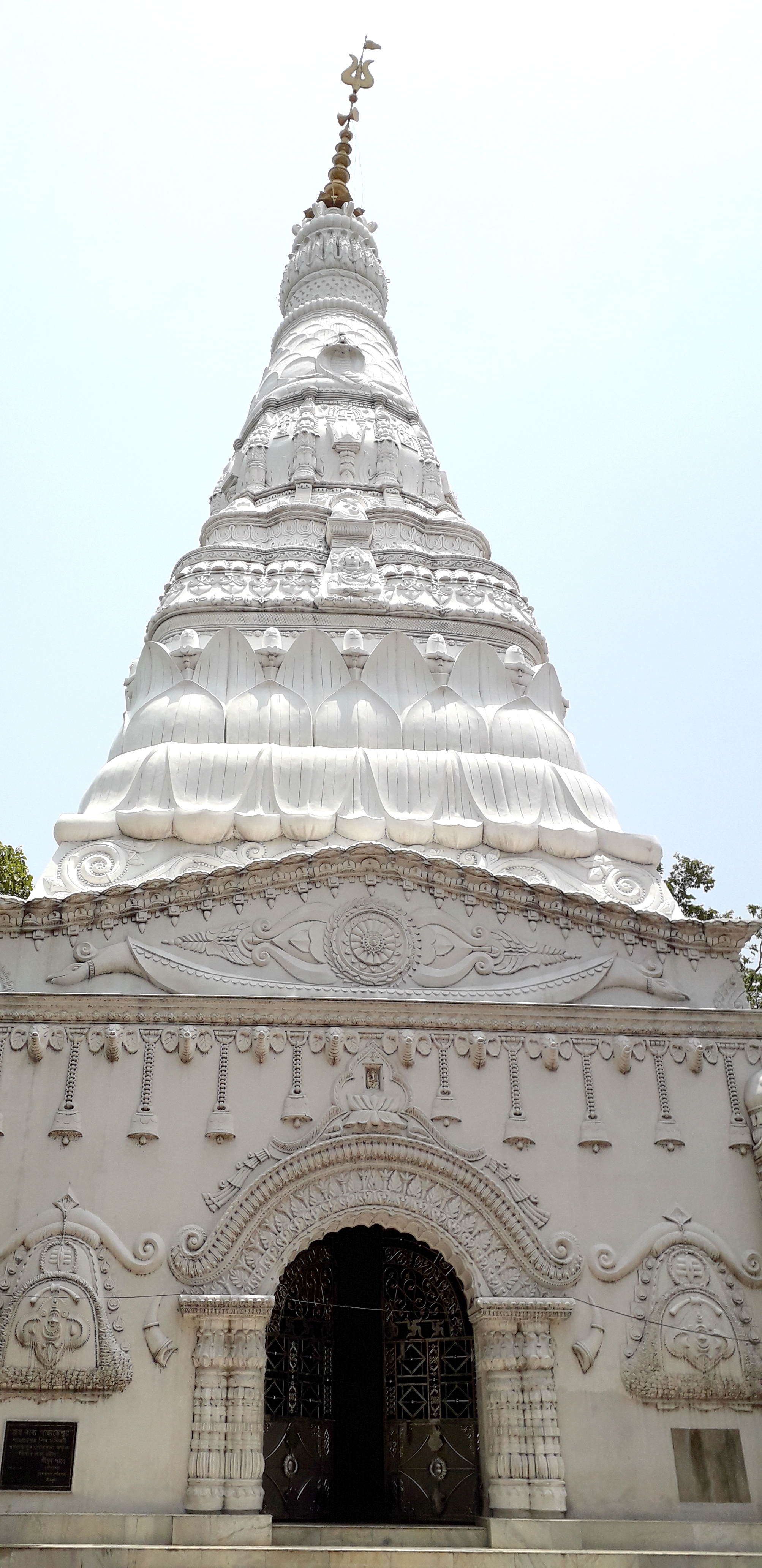
PAHARESWAR TEMPLE
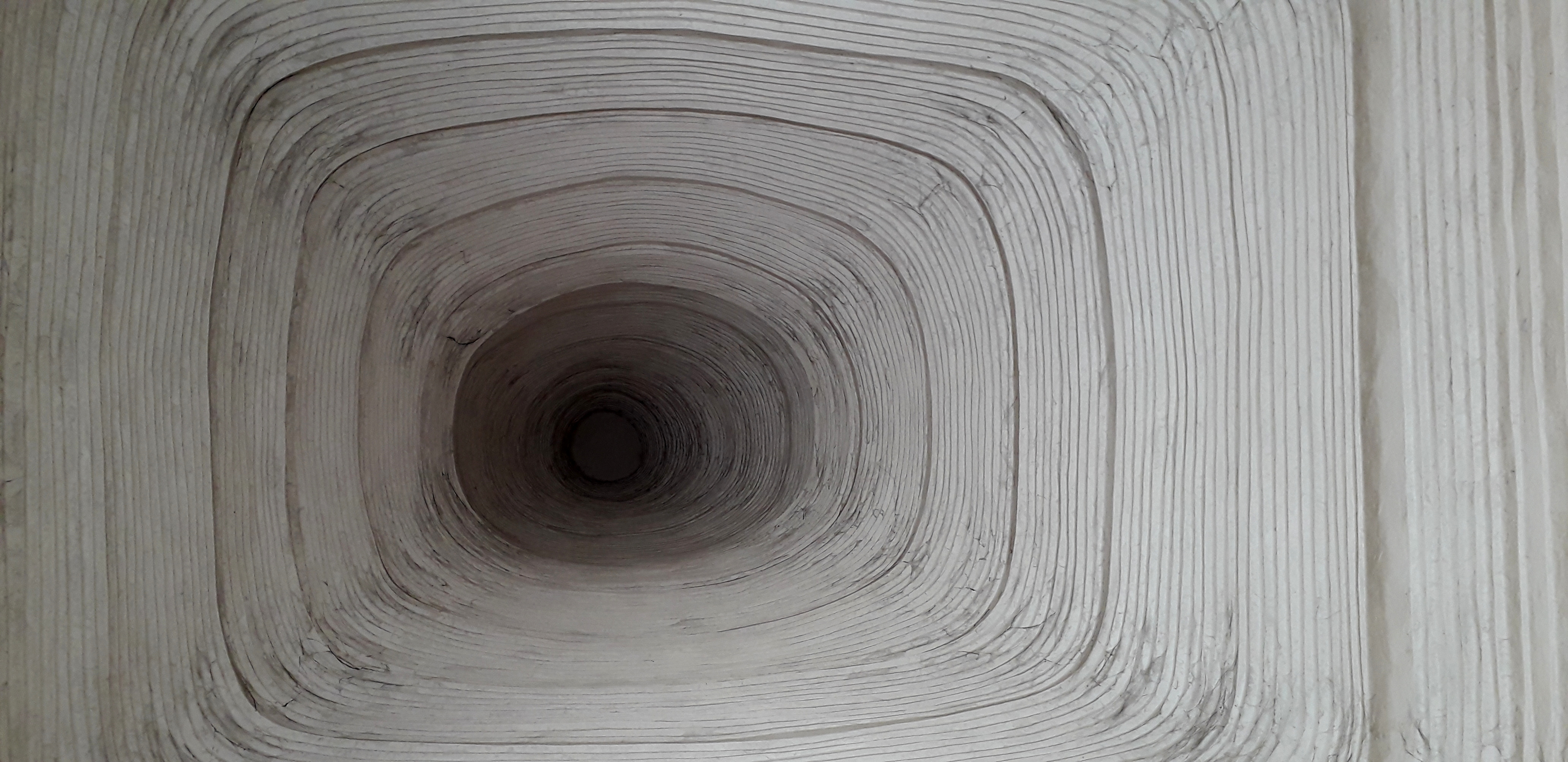
The temple is very tall . The intricate outside design is just stunning .On both sides of the gate there are two bell like designs bordering with small lamp designs and highlighting the third eye of Lord Shiva .Just above the beautiful design of the temple gate Lord Ganesh is placed .In Hindu mythology Lord Ganesh is considered as the siddhidata (one who enables us to achieve our goal ) .As the face of Lord Ganesh is that of an elephant so the wall of the temple is designed with many elephant faces in between the hanging bells .Above the bar there is a lotus with two trishuls on both sides .The design of the dome of the temple is even more interesting .The dome starts with the petals of a big lotus encircling the temple .In between the petals of lotus small Shiva lingas are placed .Above that the image of Lord Shiva is engraved with the letter OM above his head .Even above that one can watch the trishul and the snake .On the top of the snake there is a lotus bud on top of which five golden kalasas are placed .On the top of that dombaru ,trishul and a flag is placed .The dombaru and trishul are symbolic of Lord Shiva .Inside of the dome looks very beautiful .
Inside design of the dome
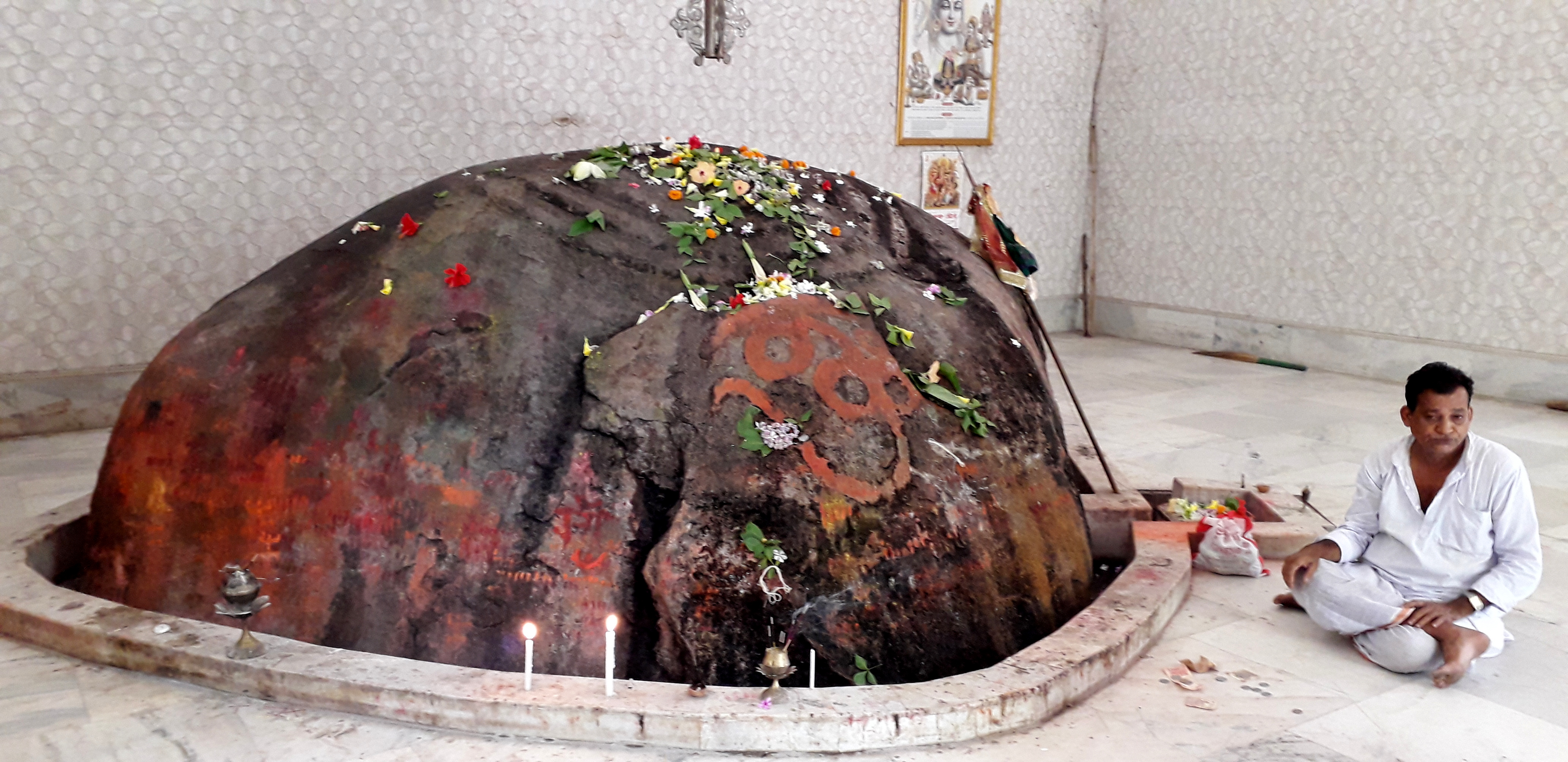
The inside of the temple is quite big ,One can worship Lord Pahareswar there .
Lord Pahareswar ,the bigger one
But what caught my eyes was the fact that there are two stones worshiped as god .it might even be symbolic of Mama and Bhagne .
The smaller one
Just after the visit of this temple take a walk through the stone and boulders and start walking till you reach the big rock where the Bhawani Temple is situated .
Bhawani Temple
Just think of the devotion of the local people who has build this very small temple even at this top of the hill of Mama Bhagne .I salute them from my heart . I simply love their purity of heart and the simplicity of their intention . They simply understood that people will climb this top if Goddess Bhawani is worshiped there .Trust me it feels like HEAVEN when you look at the area from the top of the hill where this small Bhawani temple is situated .
The feature of the landscape is so striking that one would love to listen to the mythology related to this place . According to Wikipedia ;
When Rama decided to attack Ravana, he found it necessary to throw a bridge across the straits for the conveyance of his troops, he drove in his aerial chariot to the Himalayas, picked up what stones he needed and drove back. As he was passing Dubrajpur his horses took fright and tilted up the chariot and so some stones fell out. These are the stones at Mama Bhagne.
There is another legend to the effect that they were collected by Viswakarma, at the command of Shiva, to erect in one night a second Kasi. When he collected the rocks and was about to commence work day dawned and so he left.
According to yet another view of Mr. Mridul Ghosh :
The most acceptable one is that these rocks are very extended parts of the Chotonagpur Plateau. The nearby soils get lower by means of erosion due to natural phenomena like water, air etc. But the hard rocks remained less affected and thus remained erected.
Some people are of the view that these rocks were formatted due to a very small volcanic eruption. The lava so erupted got cooled in due time and formed those rocks. A ‘Hot-Spring’ near this place may support this view
Whatever may be the cause behind naming this place as MAMA BHAGNE , the place is unique for its quite surrounding.The Pahareswar Temple, in the midst of boulder like stony hills standing straight with all its might , is really worth visiting . Cherish to visit this place again to be in the lap of Mother nature .
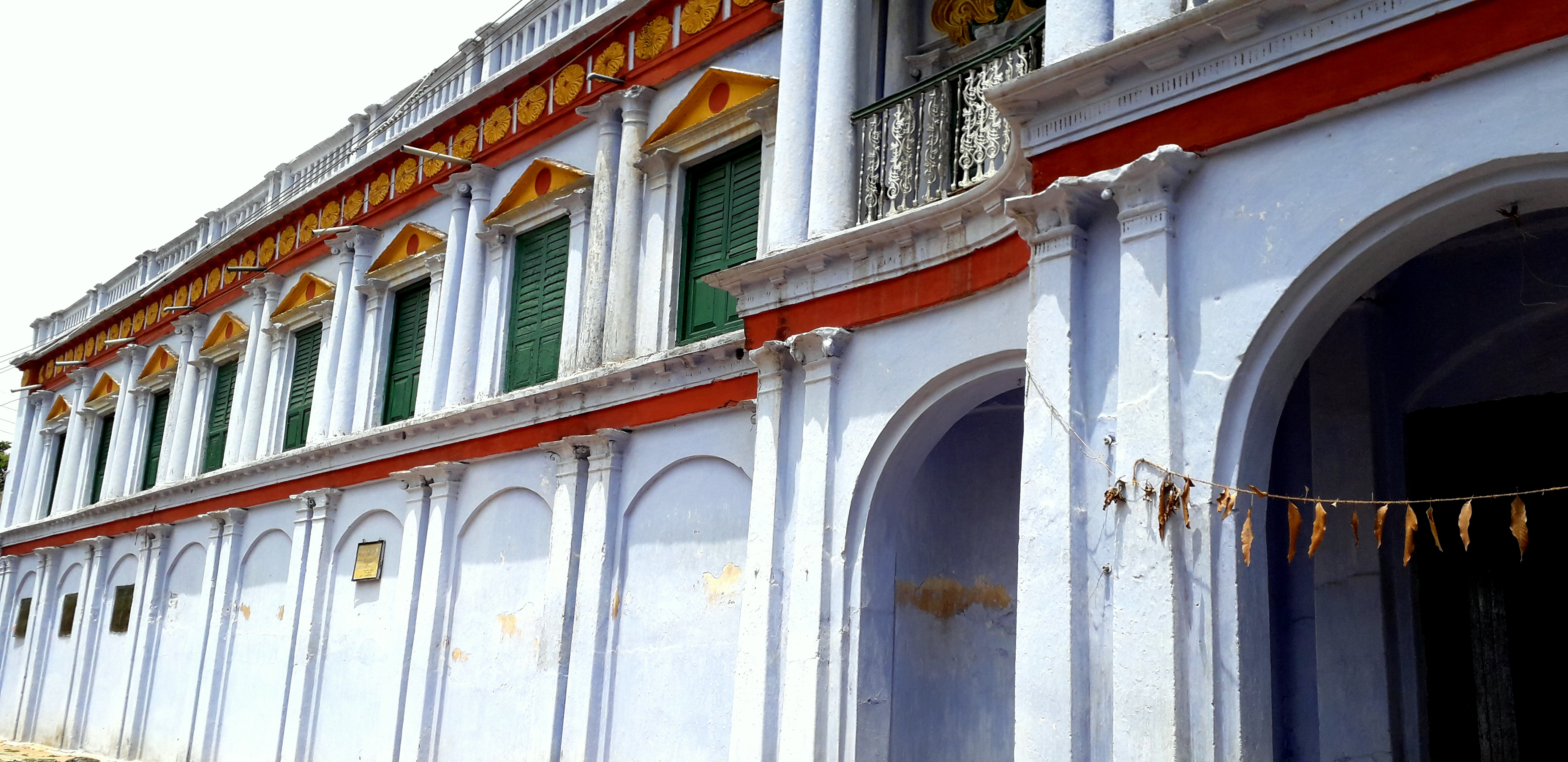
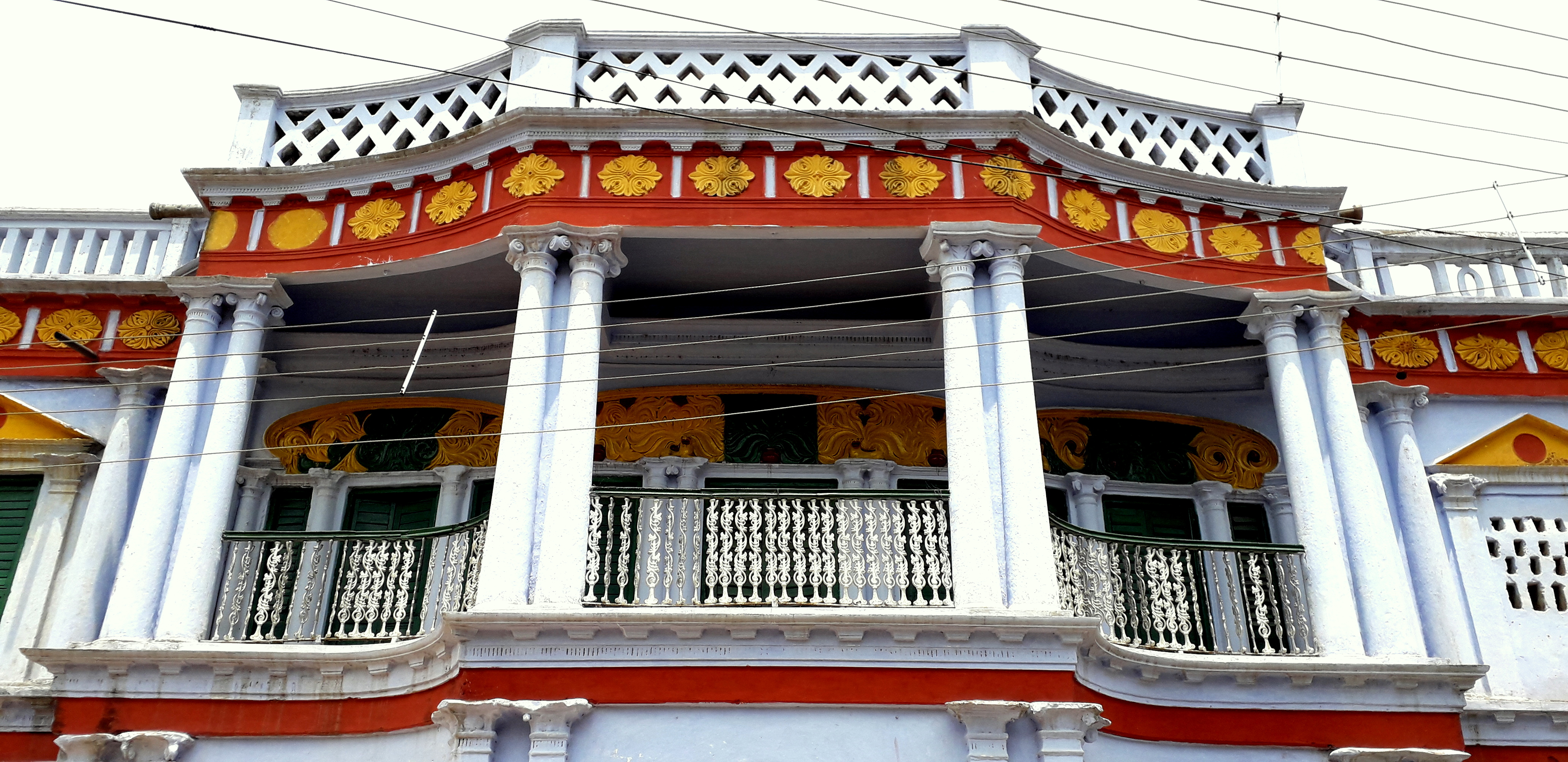
Santiniketan is often called a land of red soil . Surul is one of the villages adjascent to Visva Bharati University founded by Rabindranath Tagore .A major part of this central university with the whole of its Sriniketan campus ,stands within Surul mouja . The rajbari or the ‘barobari ‘ of surul is just three and half kilometers away from Bolpur Santiniketan.
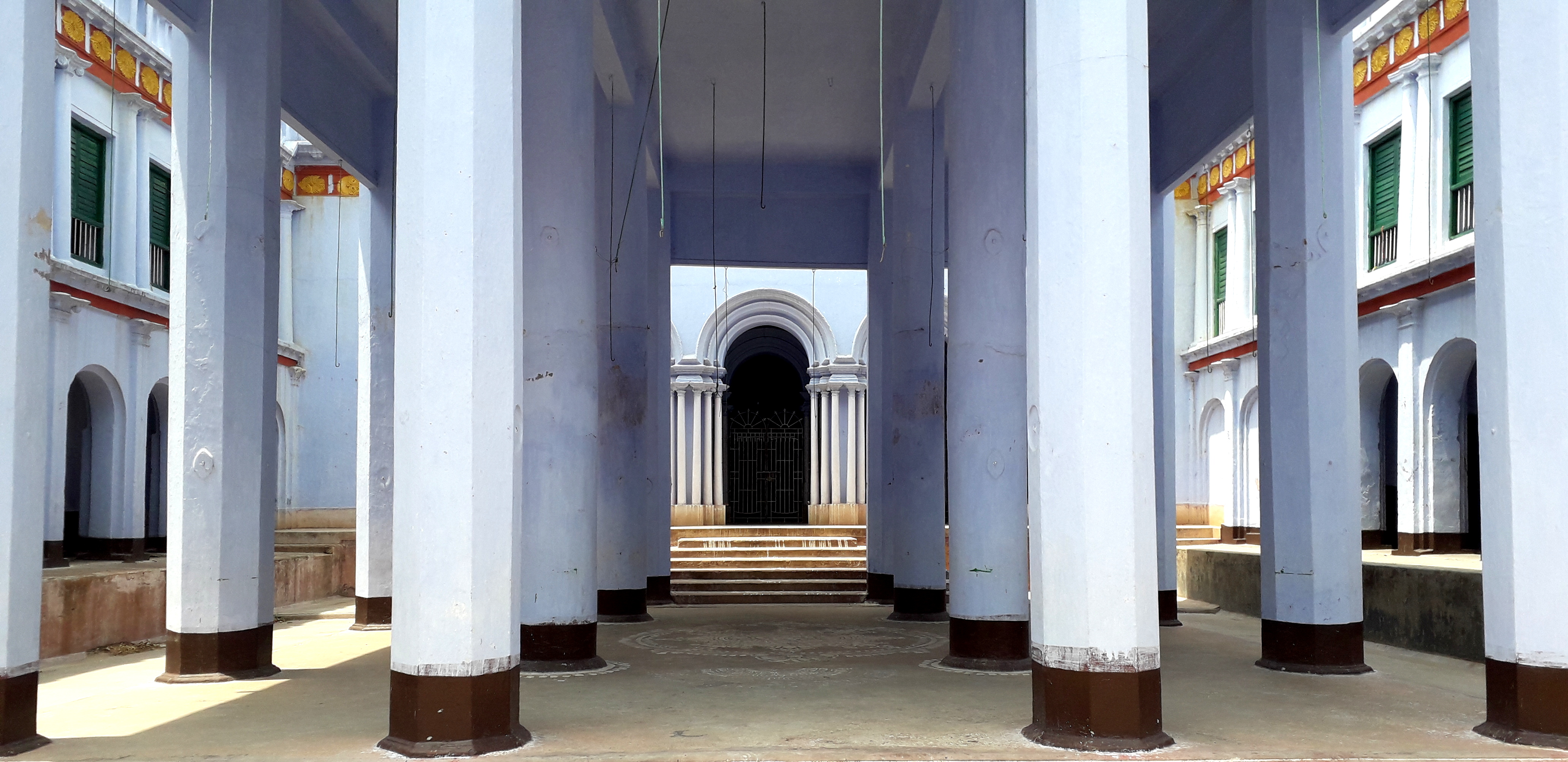
The Sarkar family of Surul Rajbari or Barobari is one of the traditional families of West Bengal,mainly known for the Durga Puja . This family has a great contribution behind establishment of Visva Bharati ,founded by Kabiguru Rabindranath Tagore .
Wikipedia On Surul :
Surul consists of a large population of Bagdis, Bauris, Haris and Doms, as well as weavers. The Sarkar’s who were Zamindars of this Birbhum District brought in Brahmins and other upper castes.[2] The Sarkar family at Surul had contributed a vital role towards socio-economic development of the overall area and also towards establishment of Visva-Bharati, an Institution of National Importance
During British rule in India, this Surul used to be a very significant area, being the strategic centre of business/commerce/trade and was also the site of a commercial residency under John Cheap. After East India Company gave up its mercantile dealings in 1835, the residency was allowed to fall into decay.
History Of Sarkar Family:
We all have heard of the Sarkar Family of Surul but Sarkar is not their actual surname .It is their title given by the then British Government .Their original surname is Ghosh .Bolpur is not even their native place .
In the beginning of eighteenth century Bharat Chandra Sarkar came to stay at the house of his guru at bolpur from Nilpur, Bardwan.The name of his guru was Basudev Bhattacharya .Bharat Chandra lived in his guru’s house with his wife for a long time . After the birth of their son Krishnahari ,Bharat Chandra decided to settle here down .Krishnahari’s son was Srinivas who became famous for his success in business with the British .Srinivas Sarkar acquired and built the Surul rajbari in its present condition .
THAKUR DALAN
Normally it is found in the barowari pujas that after the immersion of the idol Durga the thakur dalan remains empty. But here it is noticed that the kathamo (the structure )of the Durga idol is retained in the thakur dalan after immersion .
Durga Puja And Sarkar Family:
The Surul Rajbari or Barobari is famous for its Durga Puja .Durga Puja was introduced by Bharat Chandra almost 250 years ago and it is still being carried out by their present generation .
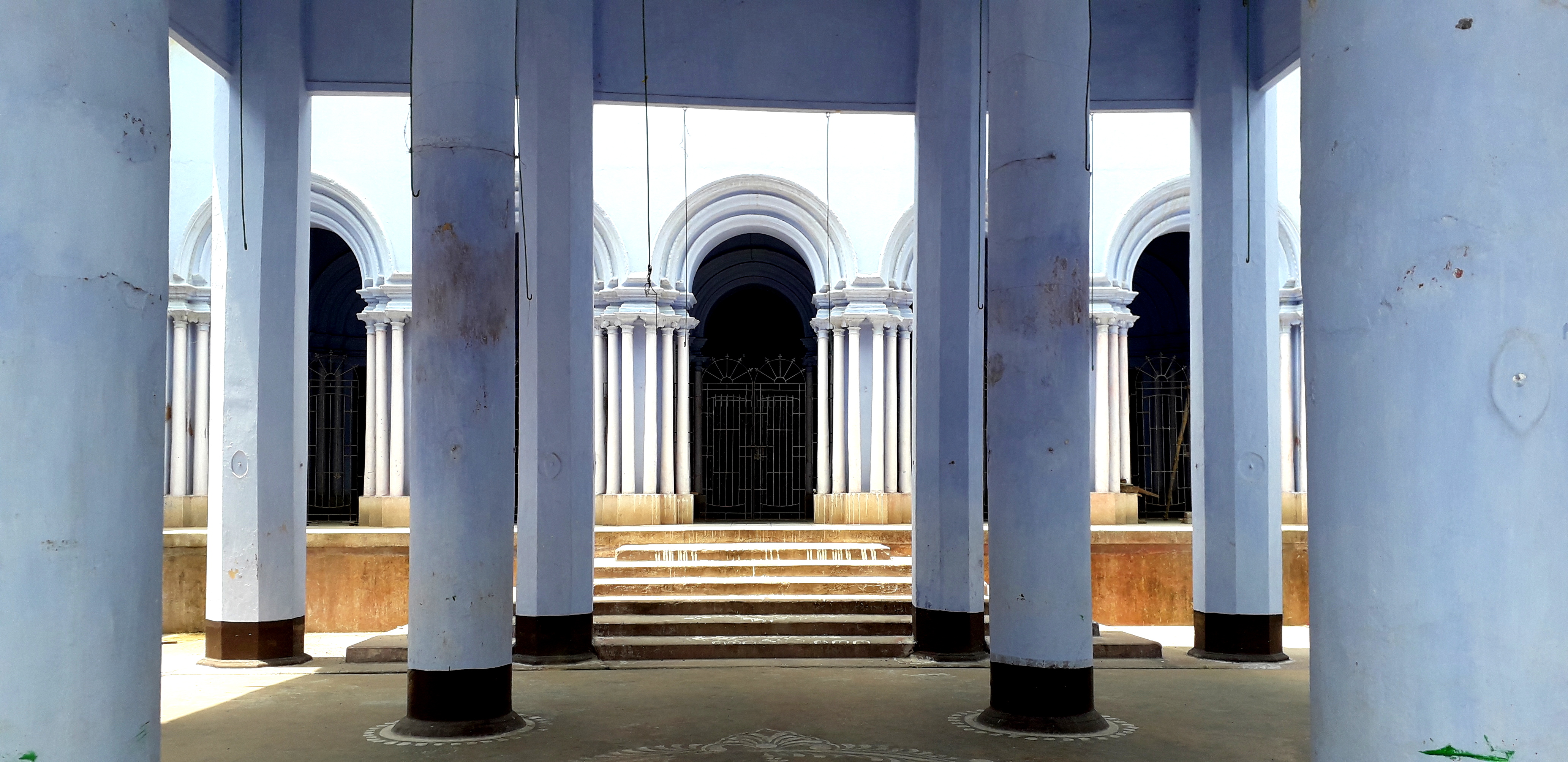
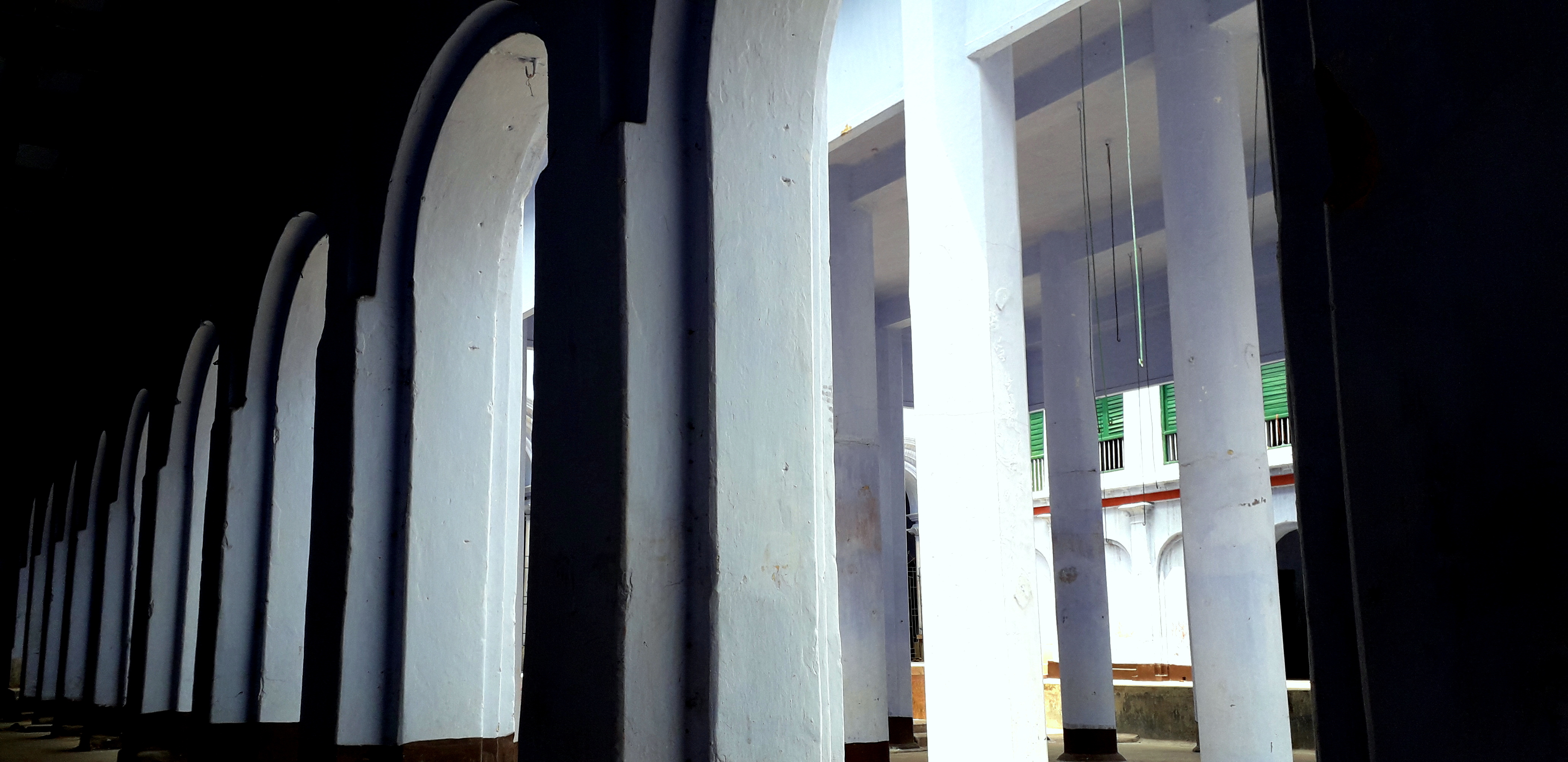
KHILAN (pillers)
This type of kori borga can not be found in the resent time any more .
Mr.Amitava Gupta , photographer and travelogue writer ,has also mentioned in his blog :
Though the past generation pomp and show are not present to that extent, yet during the four days of Puja the Rajbari is decorated with fancy Jhar Lights. Local artiste performs theaters and the immersion of the idol is done with a gala procession.
Visitors may watch the Durga Puja of this family during the festival .The thakur dalan where the worship is being carried on remains open to all during the puja .
If you want to feel the pulse of this aristocratic family you have to visit the Surul Rajbari to have a first hand experience . It would be better if you come during Durga Puja to enjoy the festivity of the Sarkar family .
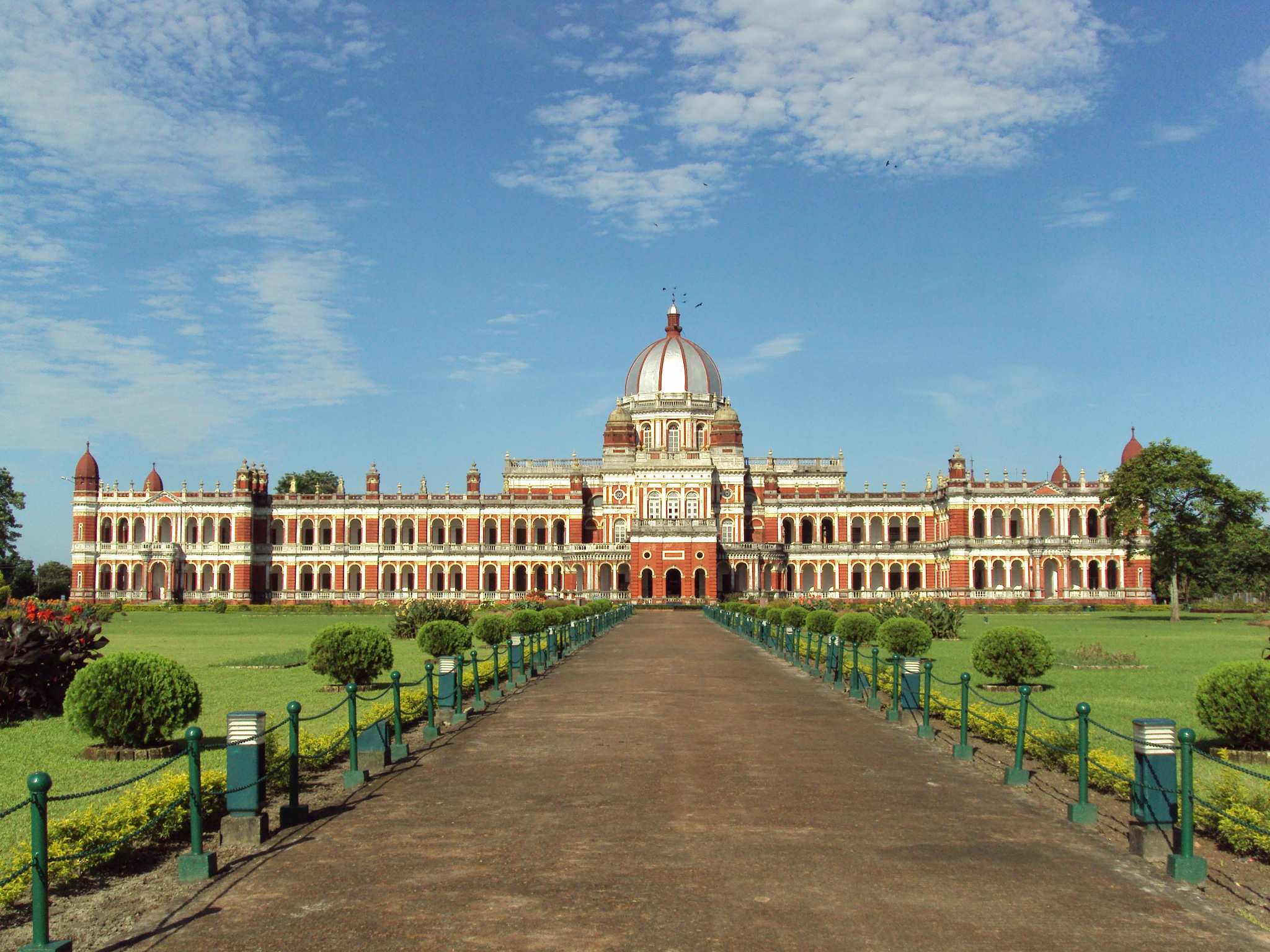
During the British Raj, Cooch Behar was the seat of the princely state of Koch Bihar, ruled by the Koch dynasty of Assam. After 20 August 1949, Cooch Behar District was transformed from a princely state to its present status, with the city of Cooch Behar as its headquarters .
Cooch Behar formed part of the Kamarupa Kingdom of Assam from the 4th to the 12th centuries. In the 12th century, the area became a part of the Kamata Kingdom, first ruled by the Khen dynasty from their capital at Kamatapur. The Khens were an indigenous tribe, and they ruled till about 1498 CE, when they fell to Alauddin Hussain Shah, the independent Pathan Sultan of Gour. The new invaders fought with the local Bhuyan chieftains and the Ahom king Suhungmung and lost control of the region. During this time, the Koch tribe became very powerful and proclaimed itself Kamateshwar (Lord of Kamata) and established the Koch dynasty.
The first important Koch ruler was Biswa Singha, who came to power in 1510 or 1530 CE.[7] Under his son, Nara Narayan, the Kamata Kingdom reached its zenith.[8] Nara Narayan’s younger brother, Shukladhwaj (Chilarai), was a noted military general who undertook expeditions to expand the kingdom. He became governor of its eastern portion.
After Chilarai’s death, his son Raghudev
became governor of this portion. Since Nara Narayan did not have a son,
Raghudev was seen as the heir apparent. However, a late child of Nara
Narayan removed Raghudev’s claim to the throne. To placate him, Nara
Narayan had to anoint Raghudev as a vassal chief of the portion of the
kingdom east of the Sankosh river. This area came to be known as Koch Hajo. After the death of Nara Narayan in 1584, Raghudev declared independence. The kingdom ruled by the son of Nara Narayan, Lakshmi Narayan,
came to be known as Cooch Behar. The division of the Kamata Kingdom
into Koch Behar and Koch Hajo was permanent. Koch Behar aligned itself
with the Mughal Empire
and finally joined the India as a part of the West Bengal, whereas
remnants of the Koch Hajo rulers aligned themselves with the Ahom
kingdom and the region became a part of Assam.
As the early capital of the Koch Kingdom, Cooch Behar’s location
was not static and became stable only when shifted to Cooch Behar town.
Maharaja Rup Narayan, on the advice of an unknown saint, transferred the capital from Attharokotha to Guriahati (now called Cooch Behar town) on the banks of the Torsa river between 1693 and 1714. After this, the capital was always in or near its present location.
In 1661 CE, Maharaja Pran Narayan planned to expand his kingdom. However, Mir Jumla, the subedar of Bengal under the Mughal emperor Aurangazeb, attacked Cooch Behar and conquered the territory, meeting almost no resistance.[9]
The town of Cooch Behar was subsequently named Alamgirnagar.[10] Maharaja Pran Narayan regained his kingdom within a few days.
British Raj
1907 Map of Bengal with Sikkim
Main article: Koch Bihar
In 1772–1773, the king of Bhutan attacked and captured Cooch Behar. To expel the Bhutanese, the kingdom of Cooch Behar signed a defence treaty with the British East India Company
on 5 April 1773. After expelling the Bhutanese, Cooch Behar again
became a princely kingdom under the protection of British East India
company.[11]
Under an agreement between the kings of Cooch Behar and the Indian Government at the end of British rule, Maharaja Jagaddipendra Narayan transferred full authority, jurisdiction and power of the state to the Dominion Government of India, effective 12 September 1949.[5] Eventually, Cooch Bihar became part of the state of West Bengal on 19 January 1950, with Cooch Behar town as its headquarters.[5]
A geopolitical curiosity was that there were 92 Bangladeshi exclaves,
with a total area of 47.7 km² in Cooch-Behar. Similarly, there were 106
Indian exclaves inside Bangladesh, with a total area of 69.5 km². These
were part of the high stake card or chess games centuries ago between
two regional kings, the Raja of Cooch Behar and the Maharaja of Rangpur.[14]
Twenty-one of the Bangladeshi exclaves were within Indian exclaves, and three of the Indian exclaves were within Bangladeshi exclaves. The largest Indian exclave was Balapara Khagrabari which surrounded a Bangladeshi exclave, Upanchowki Bhajni, which itself surrounded an Indian exclave called Dahala Khagrabari, of less than one hectare (link to external map here [1]). But all this has ended in the historic India-Bangladesh land agreement. See Indo-Bangladesh enclaves.
Here I will continue to write articles on Coochbehar . I will try to explore this beautiful place from various aspects that have caught my eyes and different places of this small town as I have explored it .
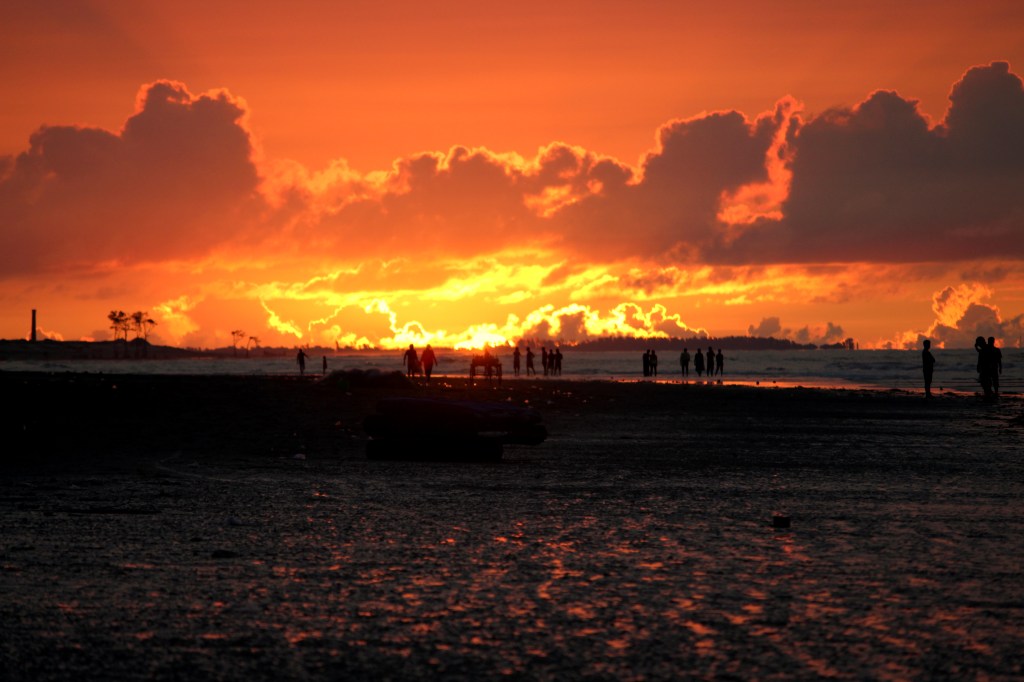
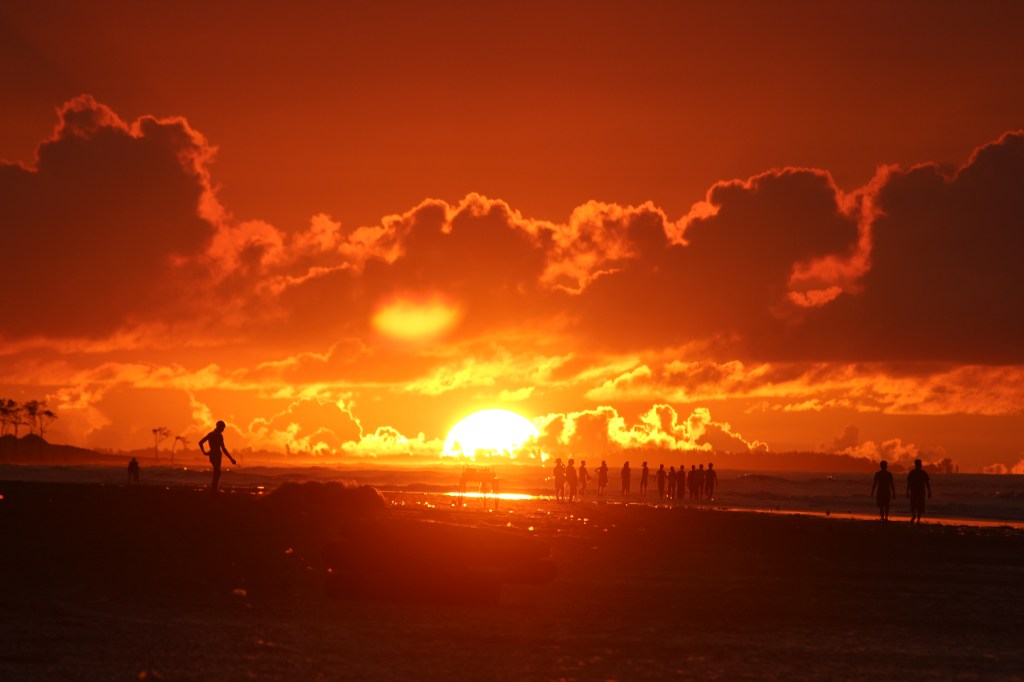
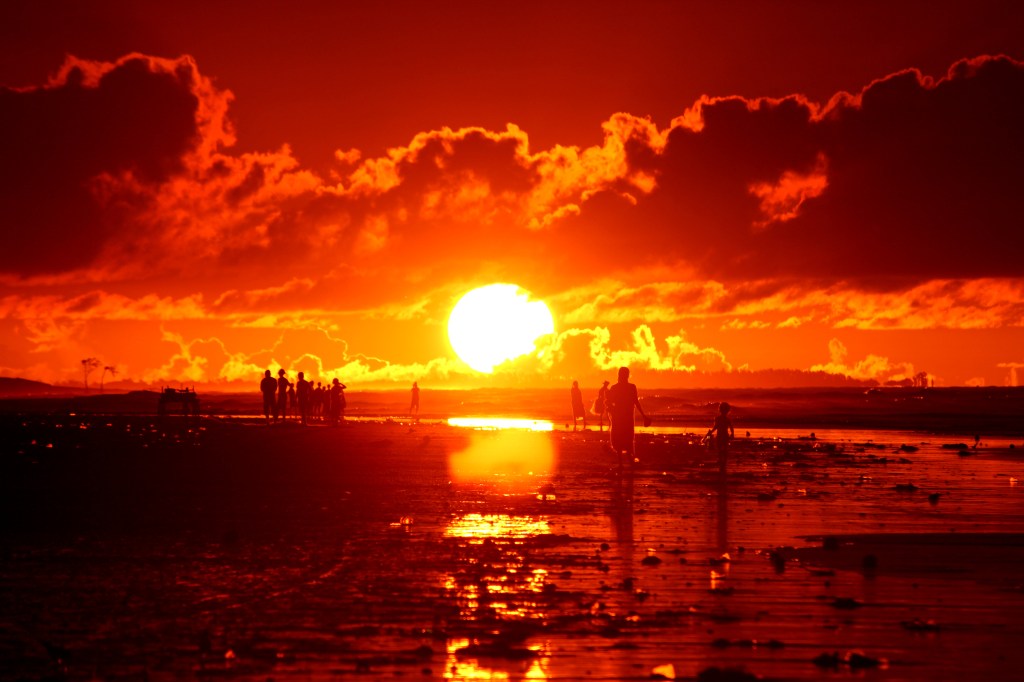
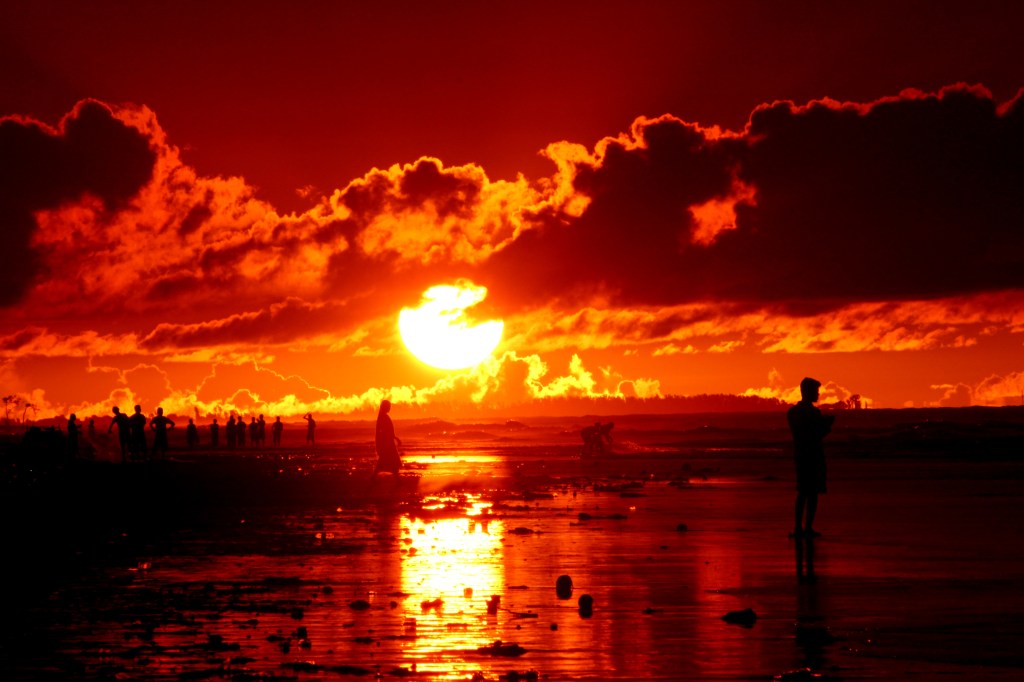
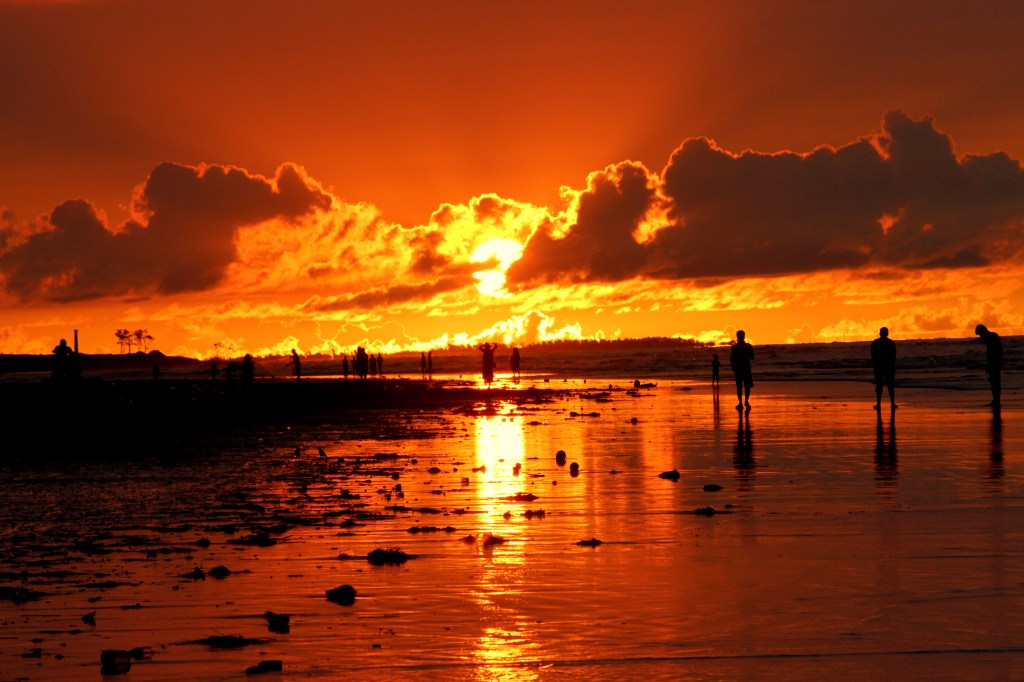
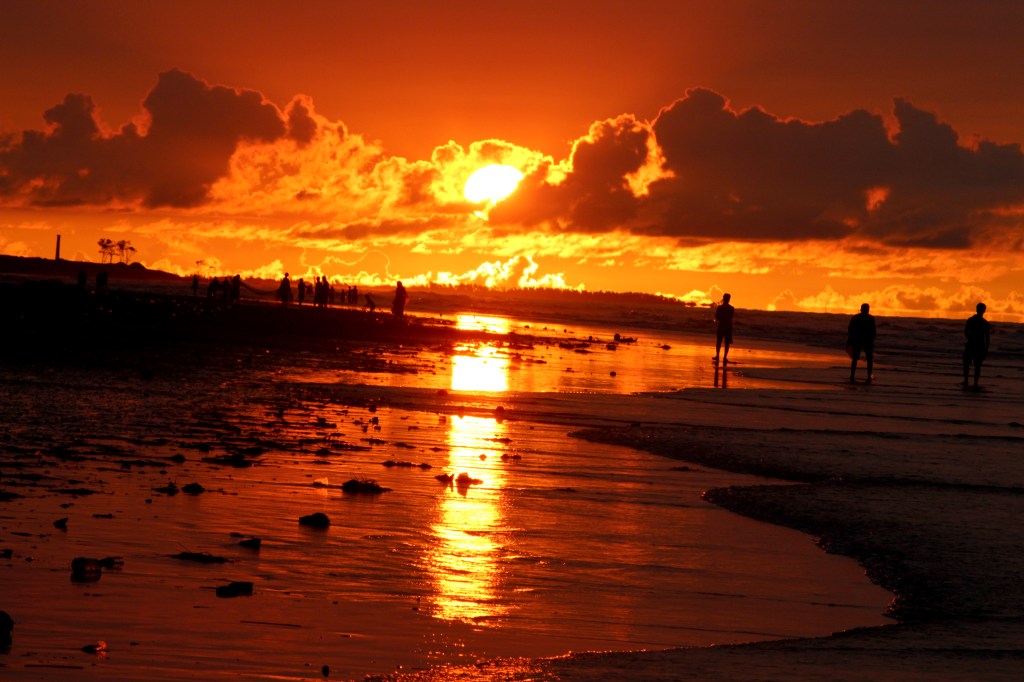
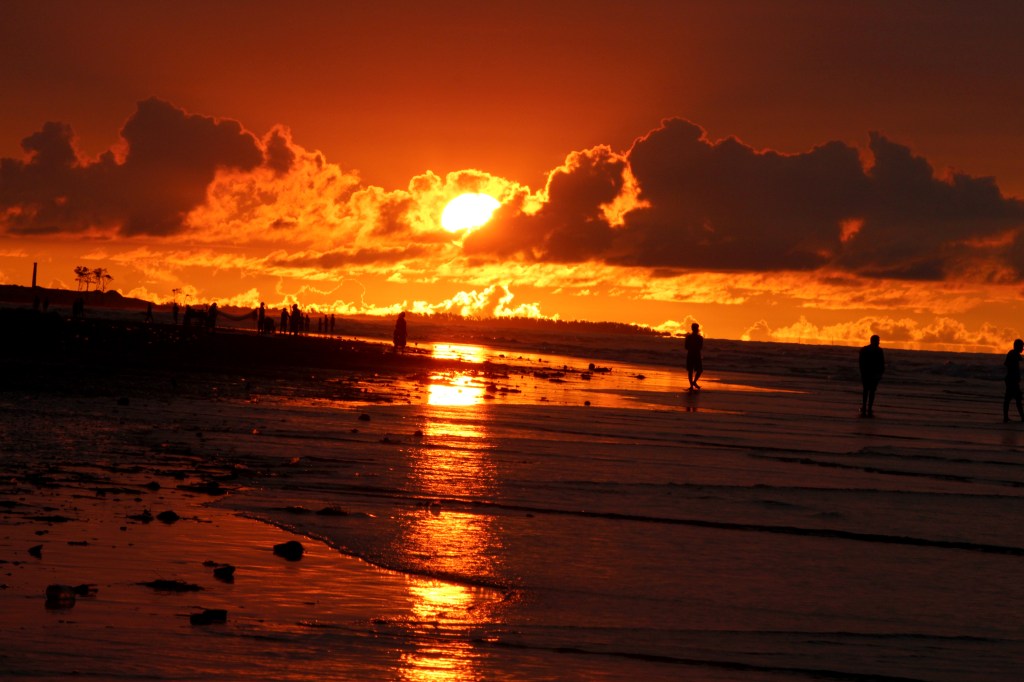
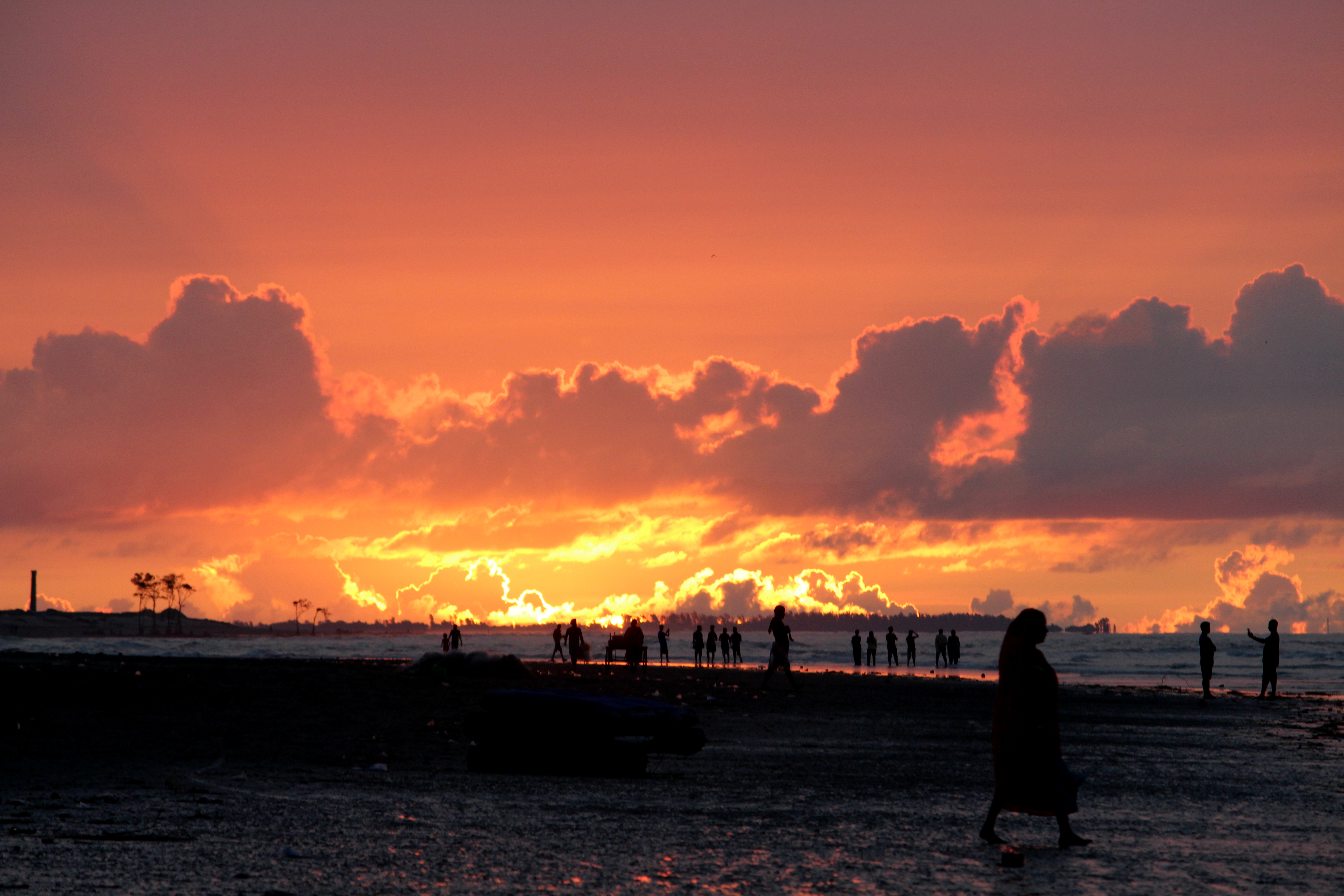
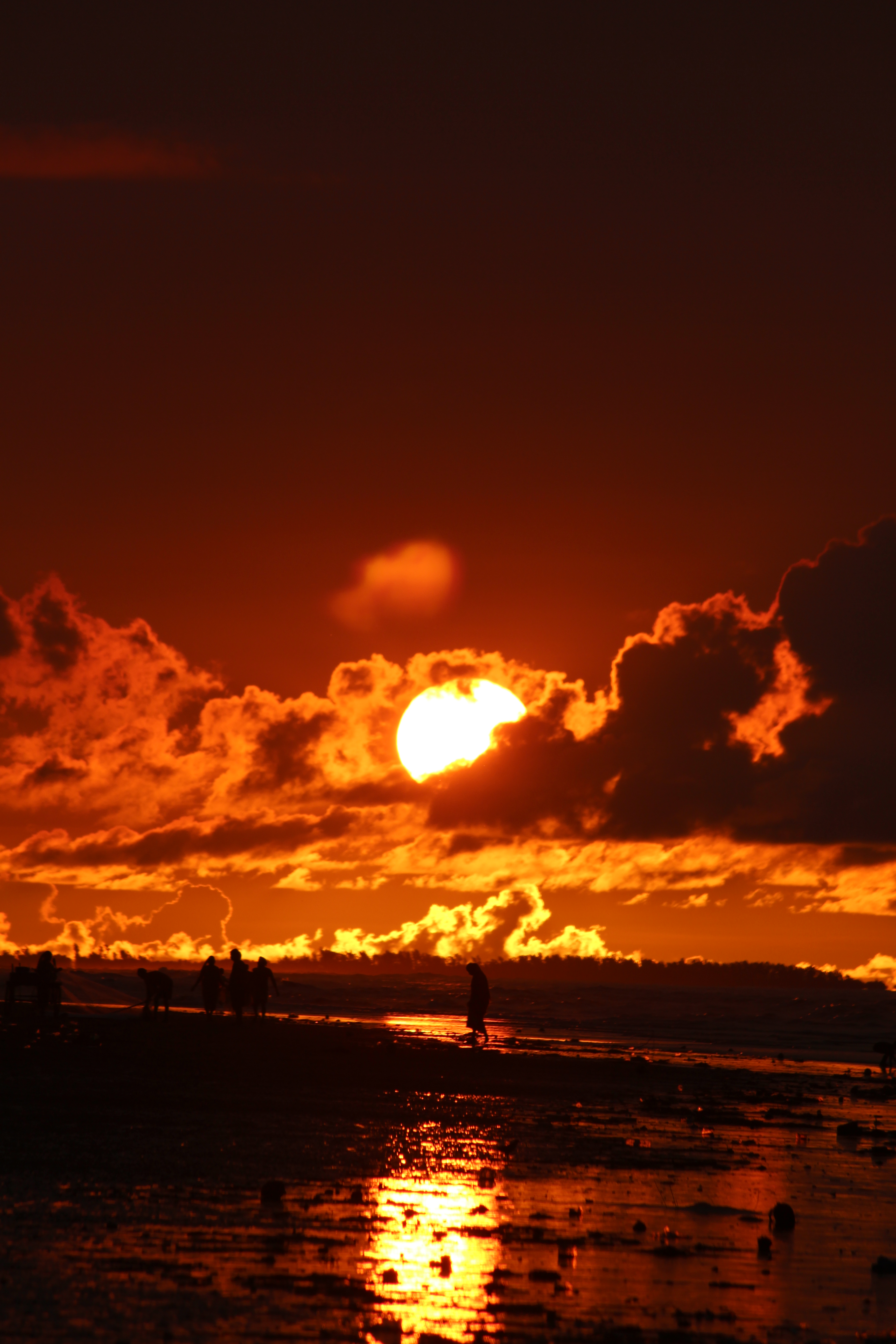
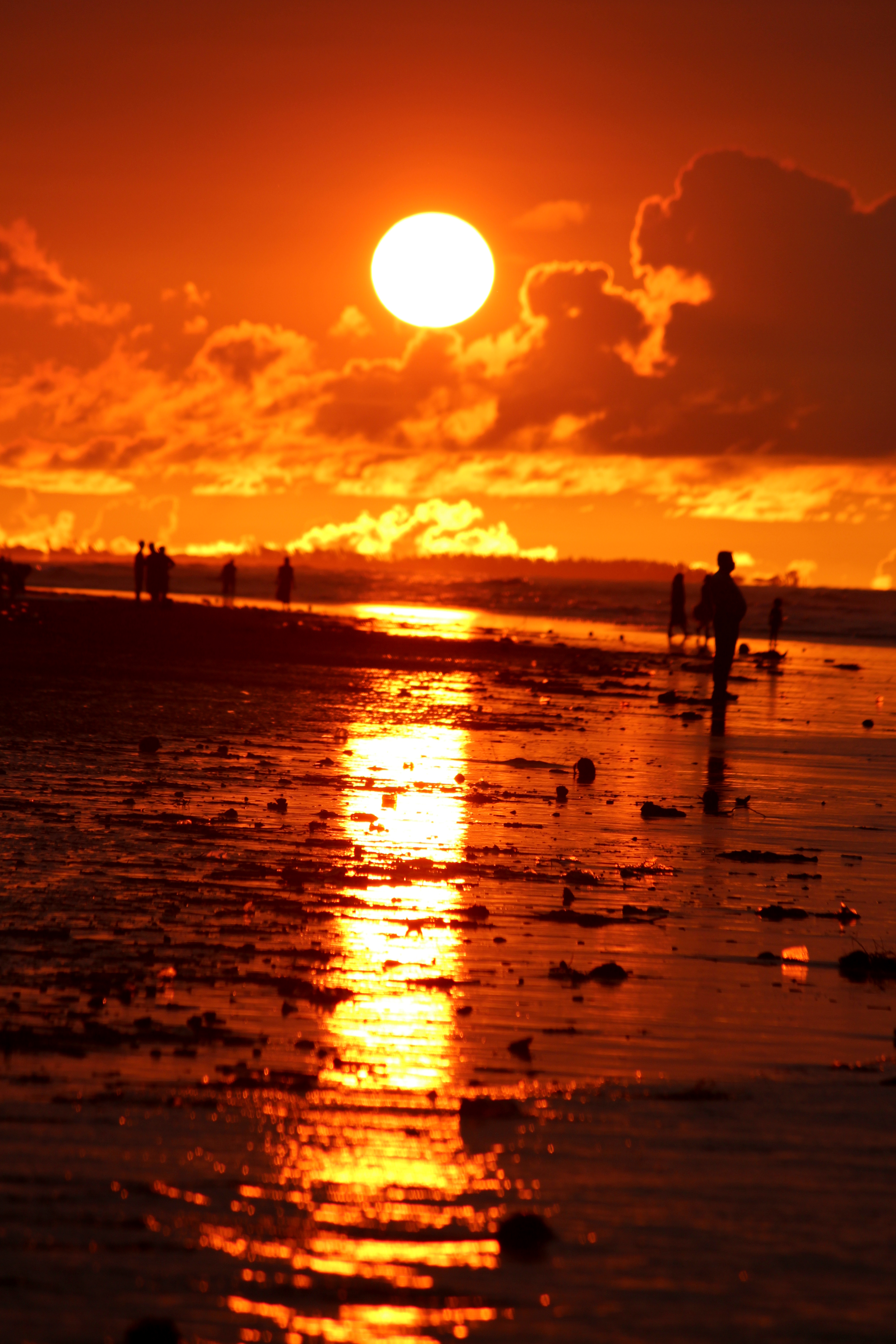
It was such a peaceful morning that is beyond my expression . I was standing on the sea beach of Sagar Dweep waiting for the sun to rise in the East .
The Night Before The Morning :
I do not know why I felt much restless in the previous night and could not join my eye lashes together . After the day’s journey I took my dinner quite early .It is my practice that when I go to any place I take my dinner and go to bed early so that I can get up well ahead to catch some moments of sunrise . That day was also no exception to that . But the only difference was – that night I was feeling too excited to sleep . I was in a trance like situation , feeling as if I could not get up early in the morning .As a result after every half an hour or so I was checking the wall clock or else I was hearing the tick tock sound of the clock in my half sleep .
At Dawn :
Finally I woke up at 3 o’clock in the morning .I opened the door but it was dark outside .So I started to get ready .Time was flowing very slowly at dawn .Suddenly heard some hymn like sound outside . Again I opened the door and found the purohits or the priests of an ashrama have started their morning prayer at the Brhama muhuto ( a time that marks the transition from night to day ). I was listening to the mantras uttered by them piercing the all pervading darkness . I was feeling like an enlightened soul . The vibration of the mantras was purifying the atmosphere as the morning light started to appear in the East sky .
Journey To The Beach :
Quickly I picked up my camera and started to walk along the road that goes to the beach . Some other people were also going to the beach . It was already 5 o’clock and the sunrise time was around 5.15 a.m. It was almost a kilometer or so from my staying place to the beach . I was lucky to get a van rickshow at that hour in the morning to get to the beach .
At The Beach :
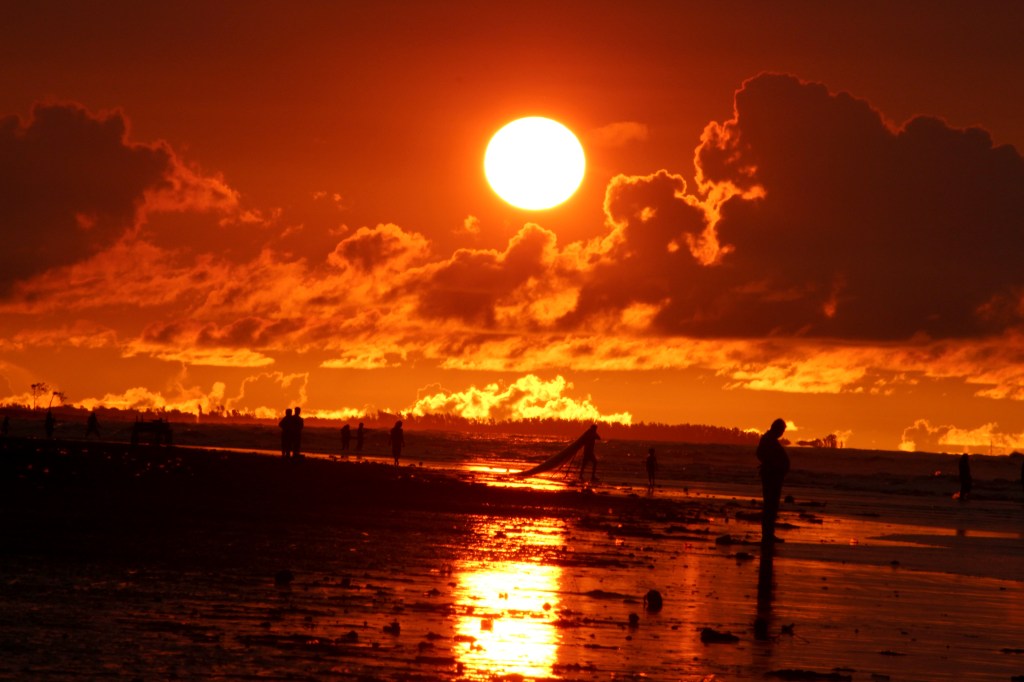
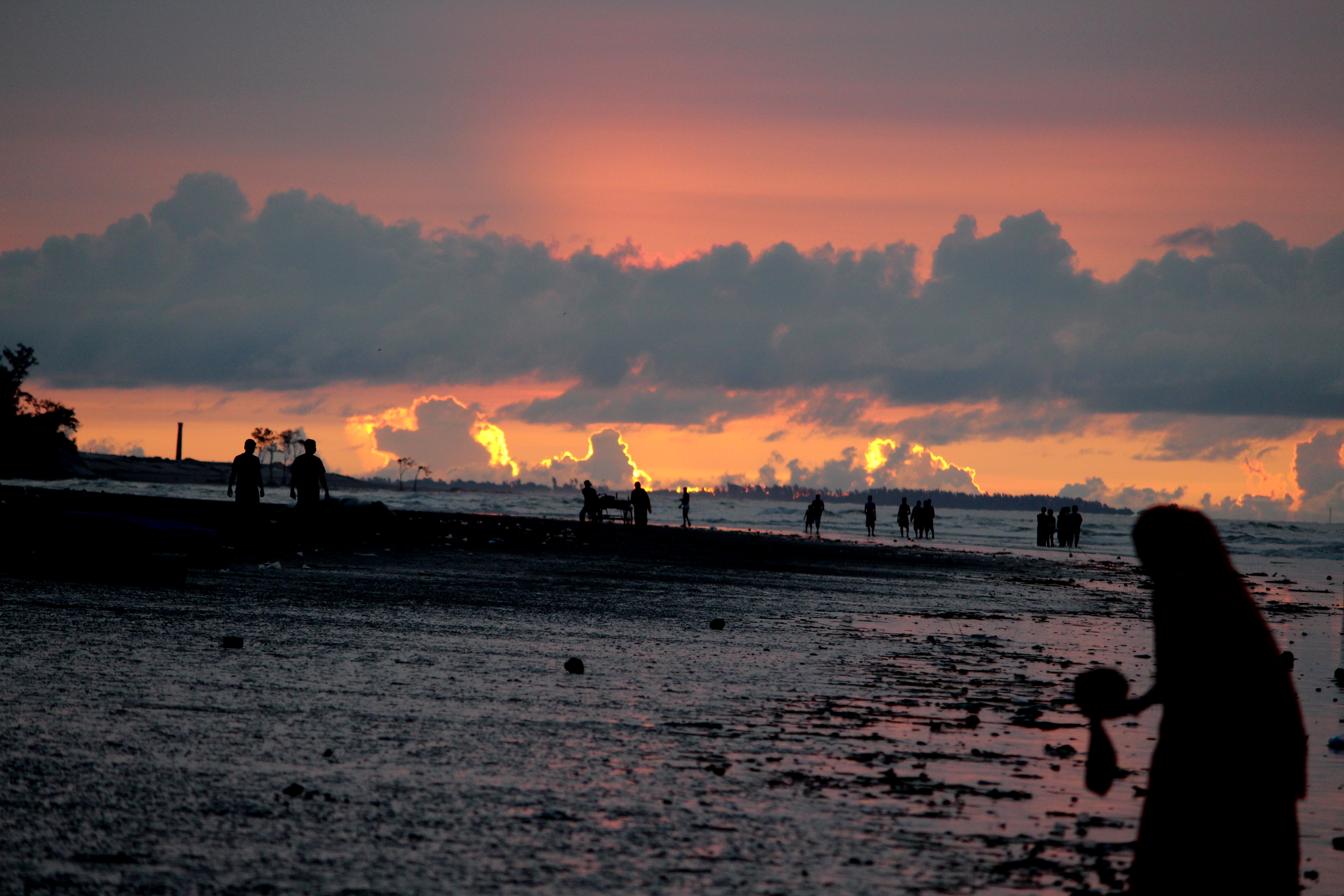
I thought there will be none in the beach but I was wrong .Life has already started its activity long back before I reached there .The visitors have already started to gather on the beach . A woman was collecting something from the beach and collecting in her bag .Two men , perhaps vendors or could be fishermen ,were pulling their van to their destination . People of different ages were strolling and waiting for sunrise .
Look At The Sky :
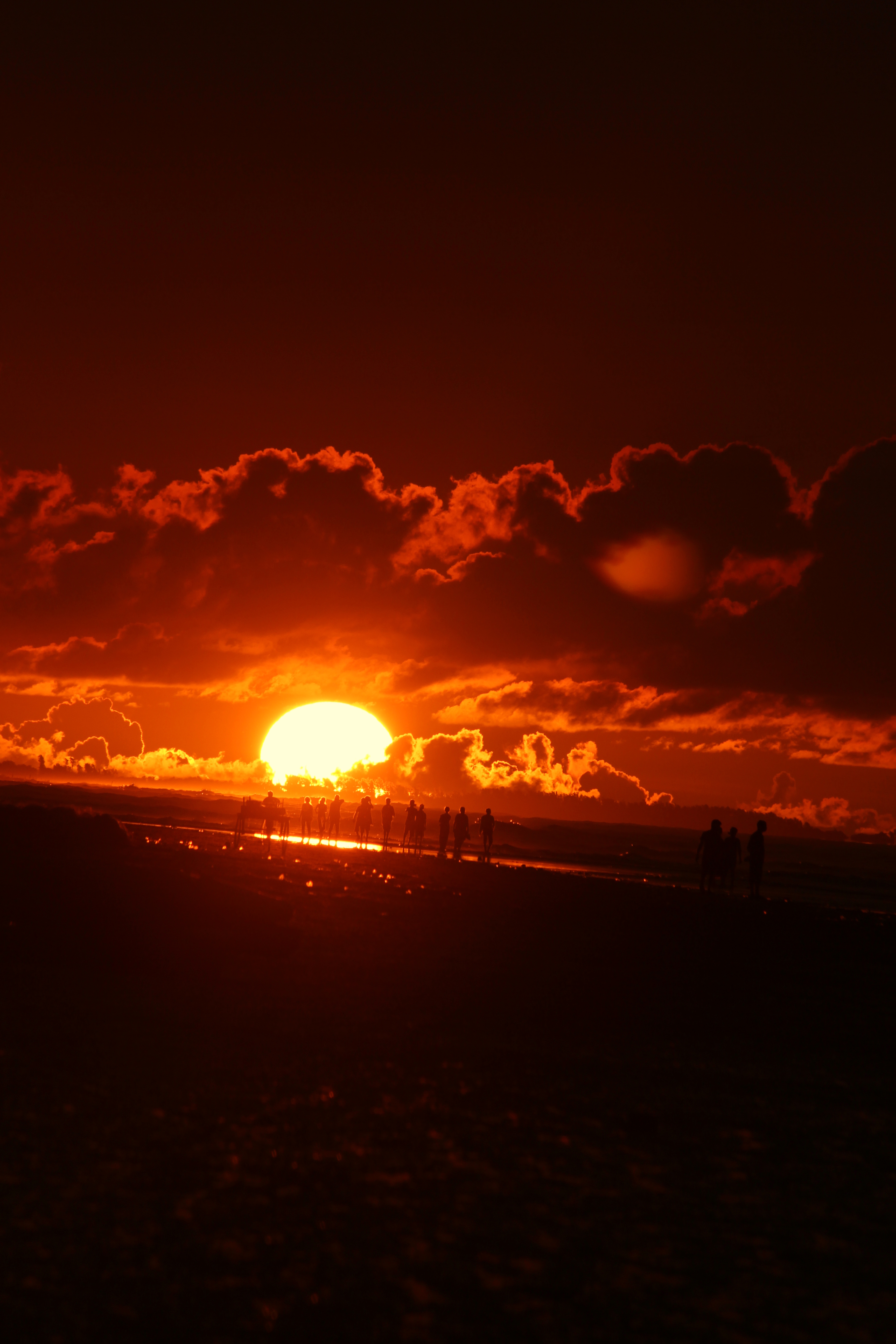
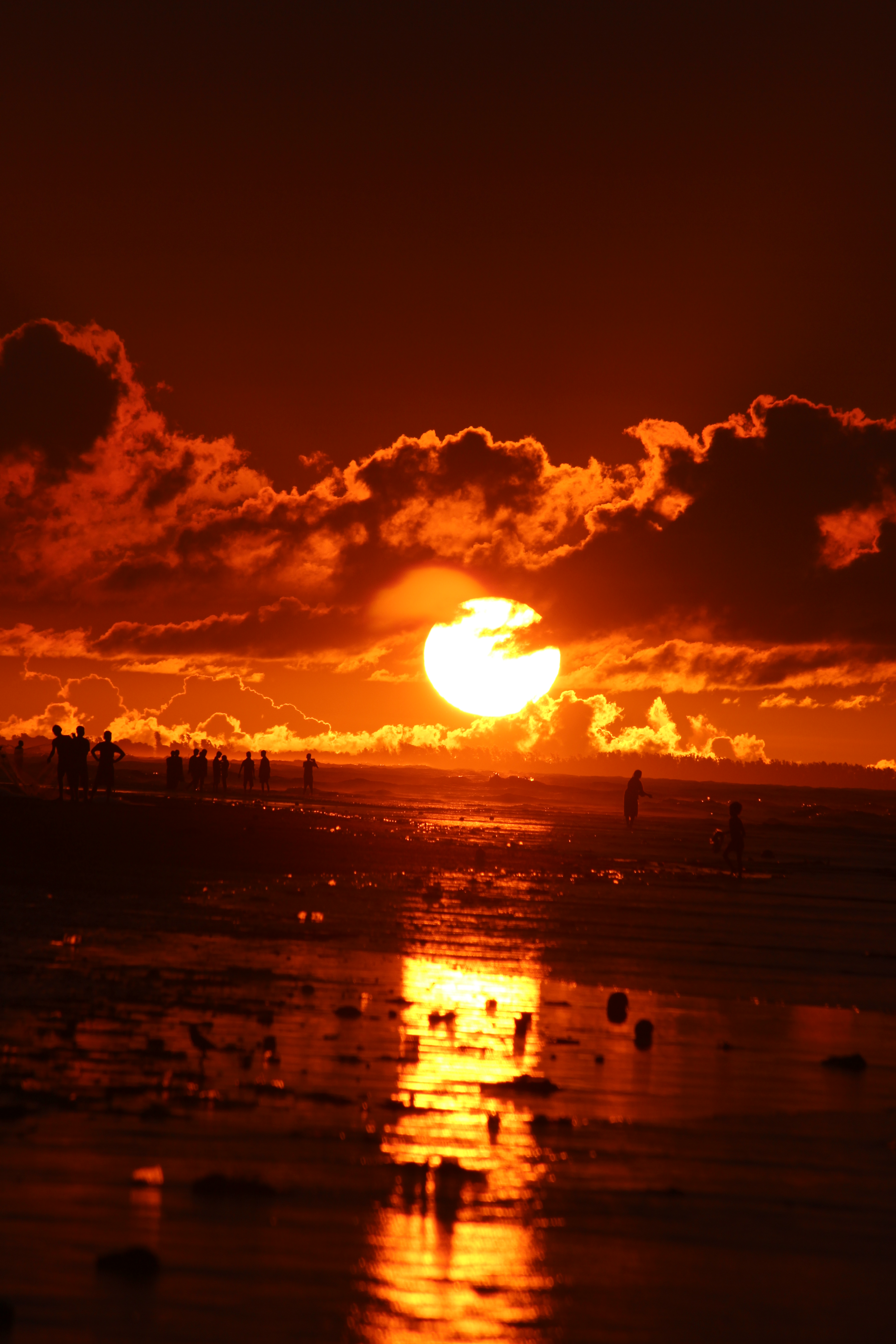
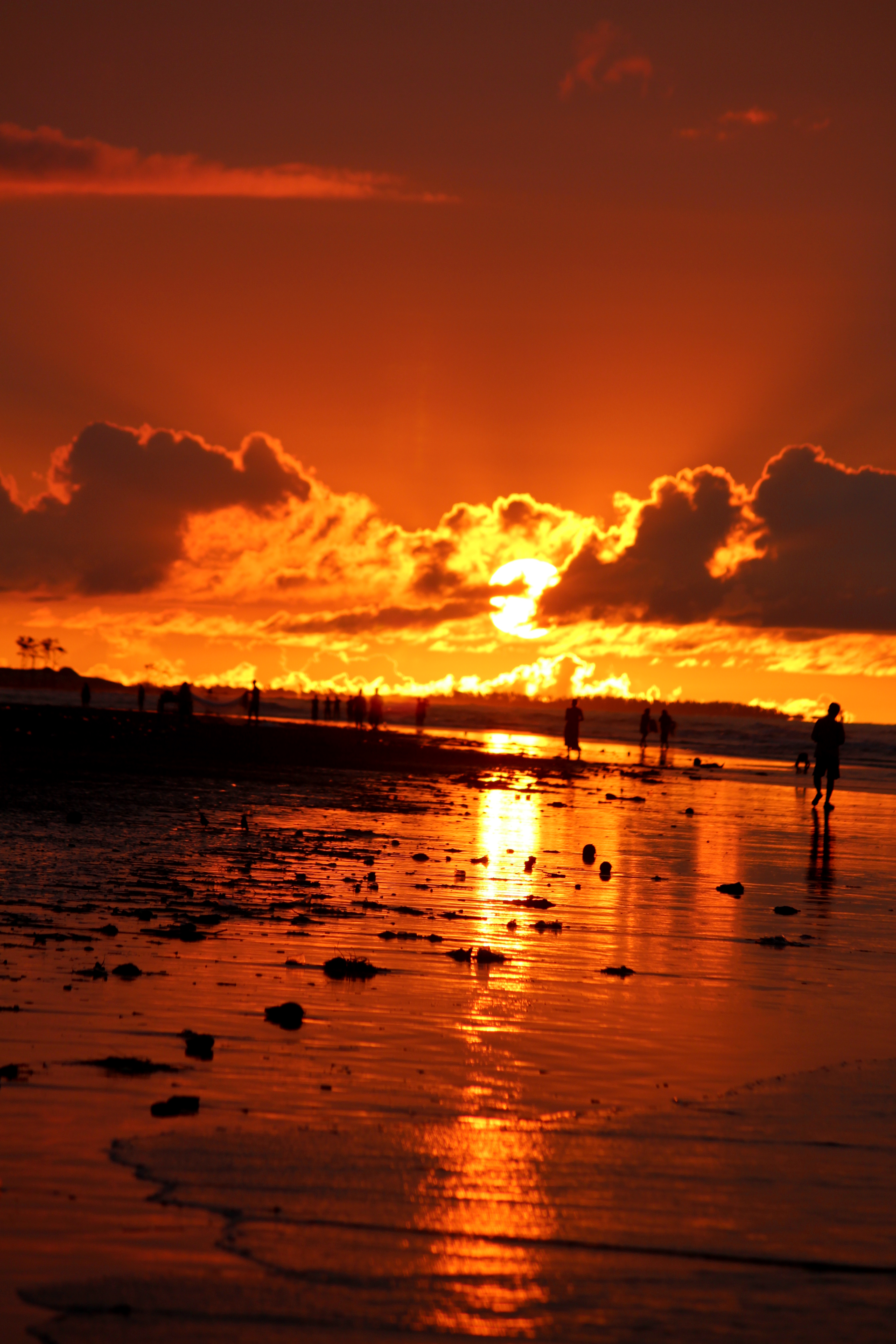
Wow ……… The sky looks so beautiful .It is a bit cloudy which brings a doubt in my mind – will I be able to watch sunrise this morning ? But the freshness of the morning with its bright colours makes the East sky just wonderful .Have a look at the golden lining of the cloudlets .It is just amazing . The contrast between the red sky and the dark beach makes it more vibrant .
Prayer To The Sun :
Om Jaba Kusuma Samkaasham Kaashya-peyam Mahaa-dyutim Tamorim Sarva-papaghnam Pranatosmin Divakaram
I pray to the Sun, the day-maker, destroyer of all sins, the enemy of darkness, of great brilliance, the descendent of Kaashyapa, the one who shines like the jabaa (hibiscus) flower.
What A Grand Way To Welcome A Day
Nothing could be more beautiful than this moment
Am Blessed
Am Blessed
Am Grateful To You Sun For Giving Me The Chance To Watch This Moment :
asato ma sadgamaya tamaso ma jyotirgamaya mrtyorma amrtam gamaya om shanti shanti shanti.
Lead me from the asat to the sat. Lead me from darkness to light. Lead me from death to immortality Om Peace Peace Peace.
From our very childhood we have heard that ‘ TRAVELING IS A PART OF EDUCATION ‘. But frankly speaking I could not comprehend its meaning by heart .
Now when I travel , I can realize how traveling educates us .
WHY WILL YOU READ MY BLOG ?
Because am going to share my travel experiences with you . It will inspire you to plan your own tour .
Because it will help you to gather new information about the place I travel even if you do not visit that place .
My passion to explore new place and meet new people compels me to take a few trips in a year . My love of cooking forces me to taste new cuisines of that place . I try to find out the root of art and culture as I love music and fine arts . My hobby of hand crafting bounds me to meet the local artisans of that place . I will try to cover Historical and Geographical or any special information associated with that place in my articles .
I am writing this blog to share my travel experience as well as my observations of life as I have realized during my travels.
Am going to write on known and unknown places of our state West Bengal and other states of India .
I would love to receive comments from my readers and like to know what type of information they expect from my blog .
I try to explore the place of my visit from various aspects .What I constantly feel is how traveling is intermingled with our life style ,How it shapes my life . I evolve with my every single trip . I observe my own transformation . Am becoming a new me with my trips .
As am not an author my writing style might be unattractive .But I assure you with the passage of time as I will continue to share with you my new adventures and tours it will indeed improve a lot . So please bear with me and give me your support . Let me just write for the sake of sharing the joy during my tours .












![[1]](http://geosite.jankrogh.com/enklaver/CoochBehar_Annotated.jpg)