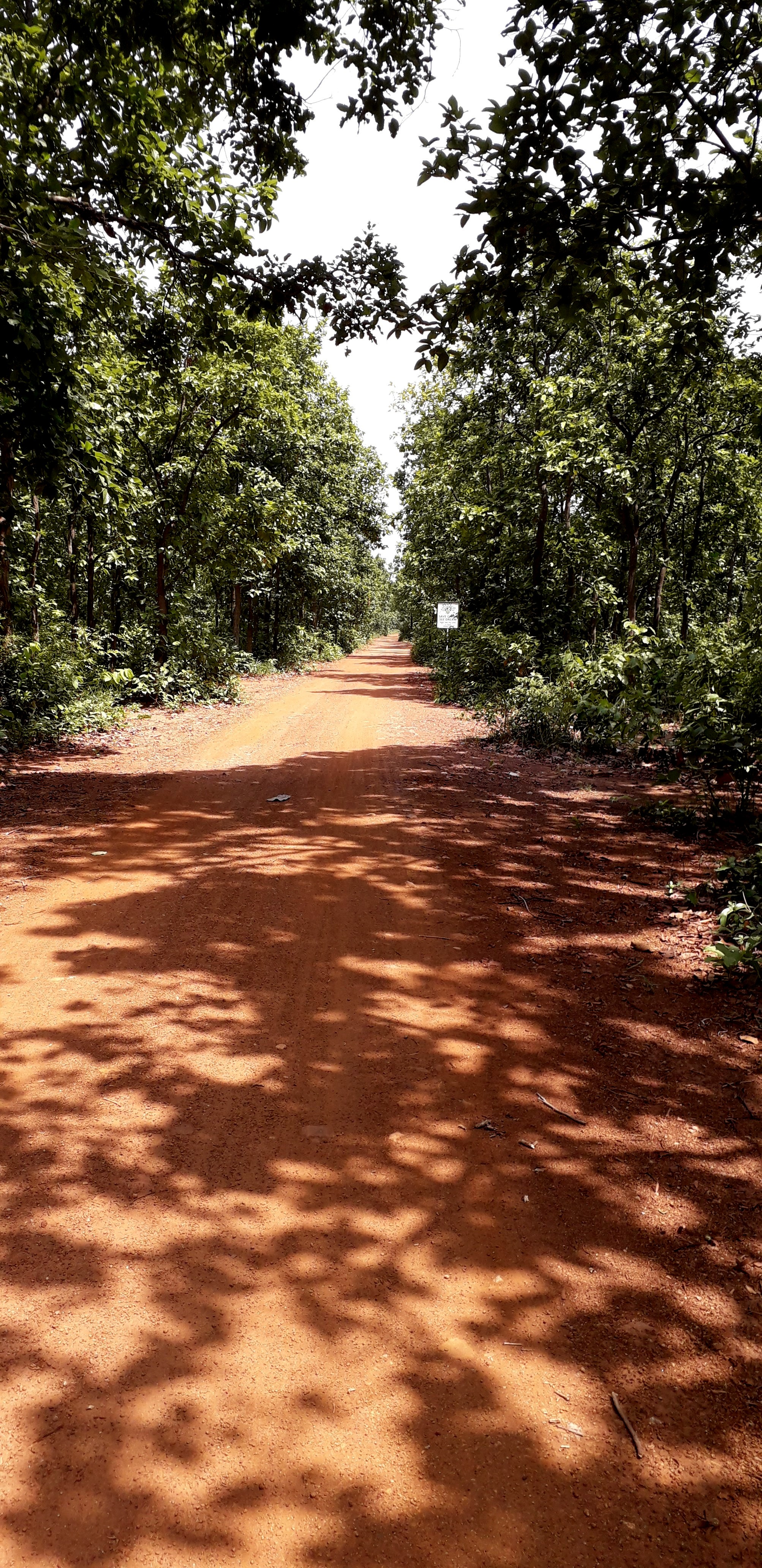
This is the road that leads to the Fossil Park at Amkhoi , Birbhum,West Bengal, India .From Illambazar it leads to the village named Dalla .If you continue your journey along this road towards Dalla village you will come across the junction towards Fossil Park .Just continue your journey and you will reach the check post where Fossil Park welcomes you with its huge tree trunk fossils amid the green deciduous forest of Illambazar.
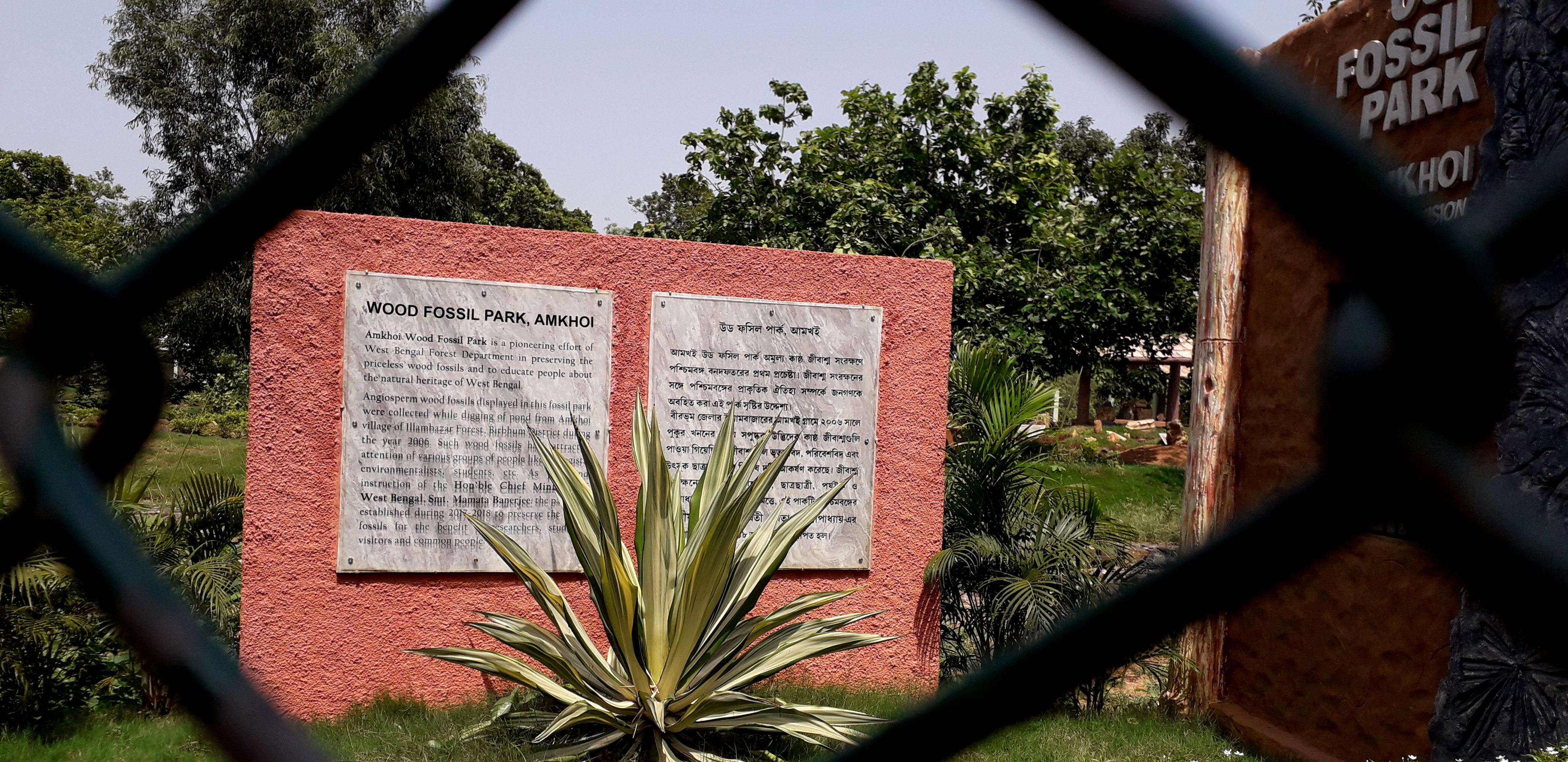
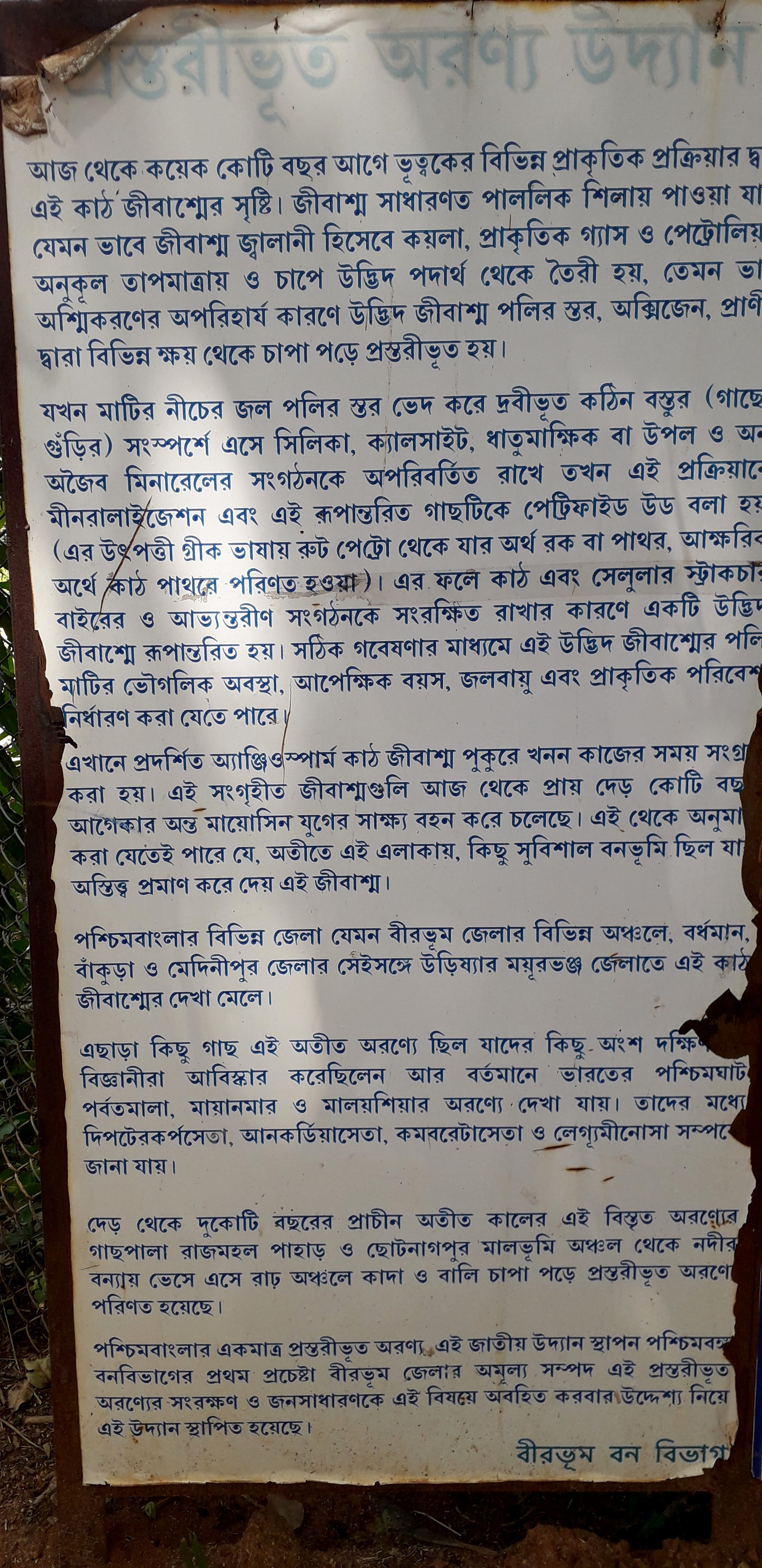
From the board of the Forest Department of Birbhum we come to know how this fossils were formed .
History of Fossil at Amkhoi According To The Forest Department
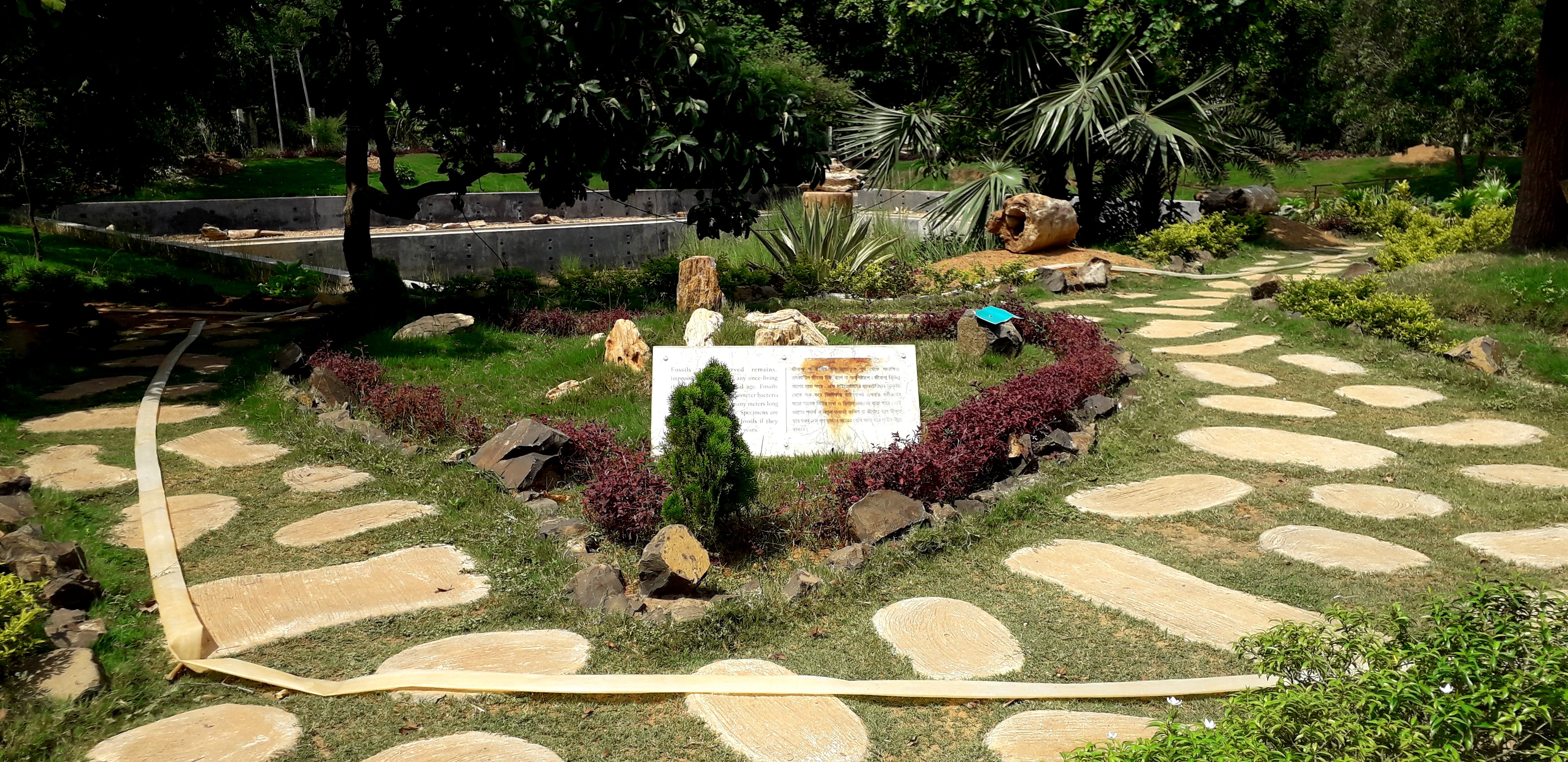
Wood fossil is defined as woods preserved by natural process in the earth’s crust millions of years back. Fossils are usually found in sedimentary rocks. The essential factors for fossilization are a rapid burial under sediment cover and protection from decay by oxygen and organisms in an anaerobic condition. Fossil fuel such as coal, natural gas and petroleum were formed from plant matter under favourable temperature and pressure. The ground water, rich in dissolved solids flows through the sediment replacing the original plant material with silica, calcite, pyrite or another inorganic material such as opal. The process is known as per mineralization and the transformed woods are known as Petrified Wood (from the Greek root petro meaning “rock” or “a stone”; literally wood turned into a stone). The result is a fossil of the original woody material that often exhibits preserved details of outer morphology of wood and cellular structures. By studying petrified woods the past depositional environment of sediments, geographical condition, relative age determination, climate and ecology can be determined.
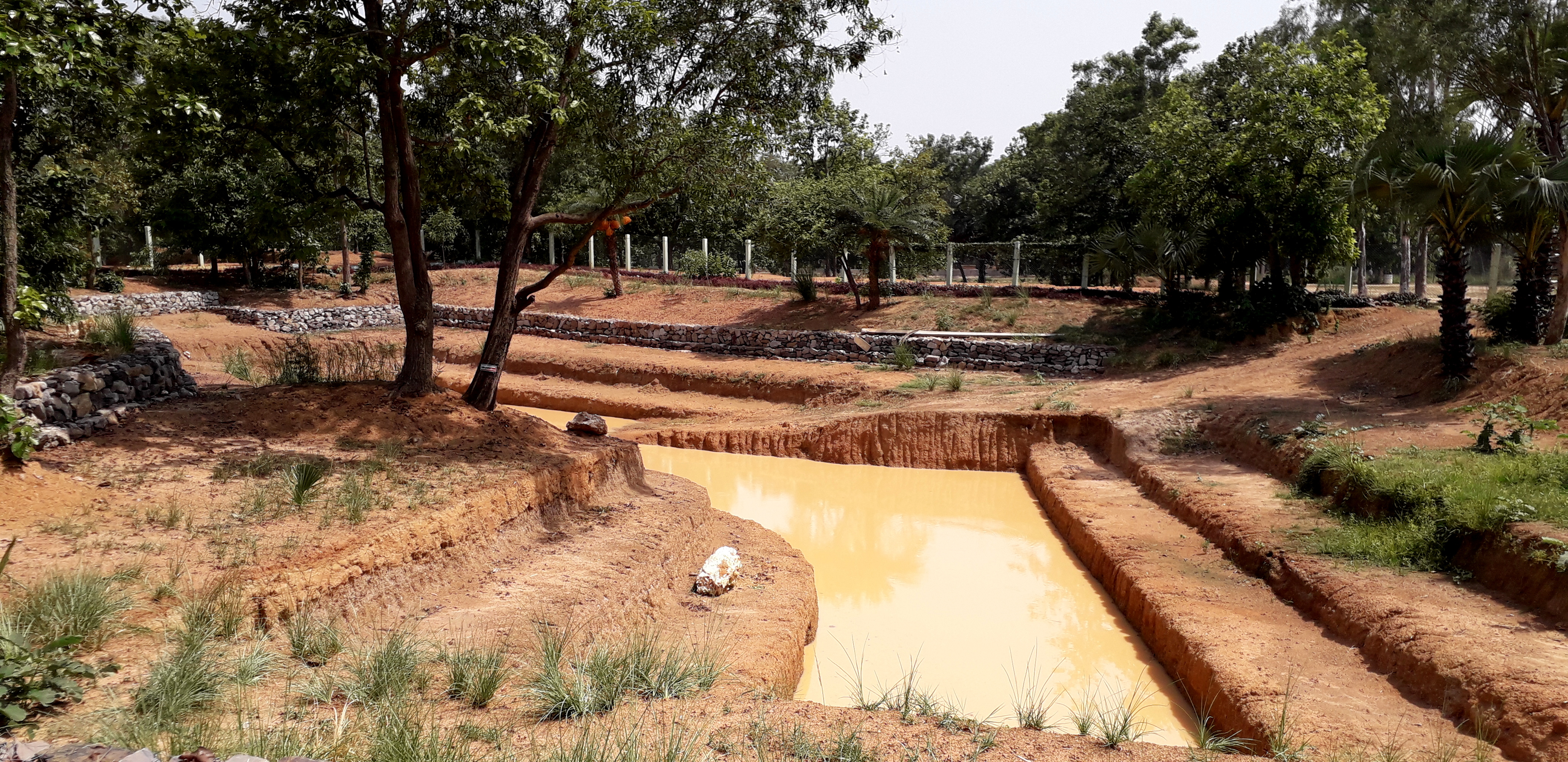
The angiosperm wood fossils which are displayed here were collected during pond digging from Amkhoi village of Illambazar Forest, Birbhum District. These specimens are definite proof of the presence of a vast dry deciduous forest with a few evergreen elements in this area, which prevailed 15 to 20 million years before present (Late Miocene). Wood fossils can also be found in different places of Birbhum, Bardhaman, Bankura and Medinipur Districts of West Bengal as well as in Mayurbhanj District in Orissa.
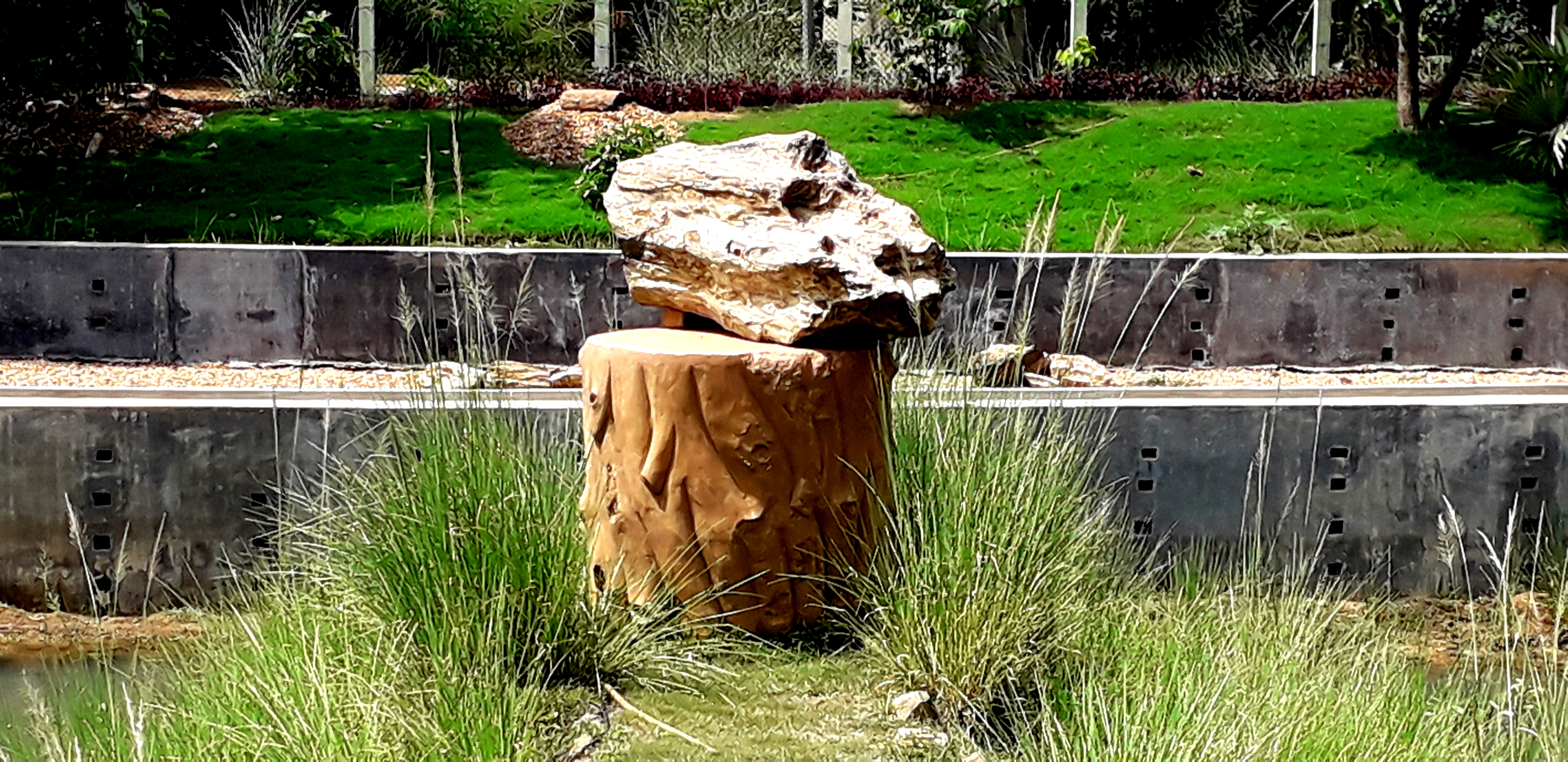
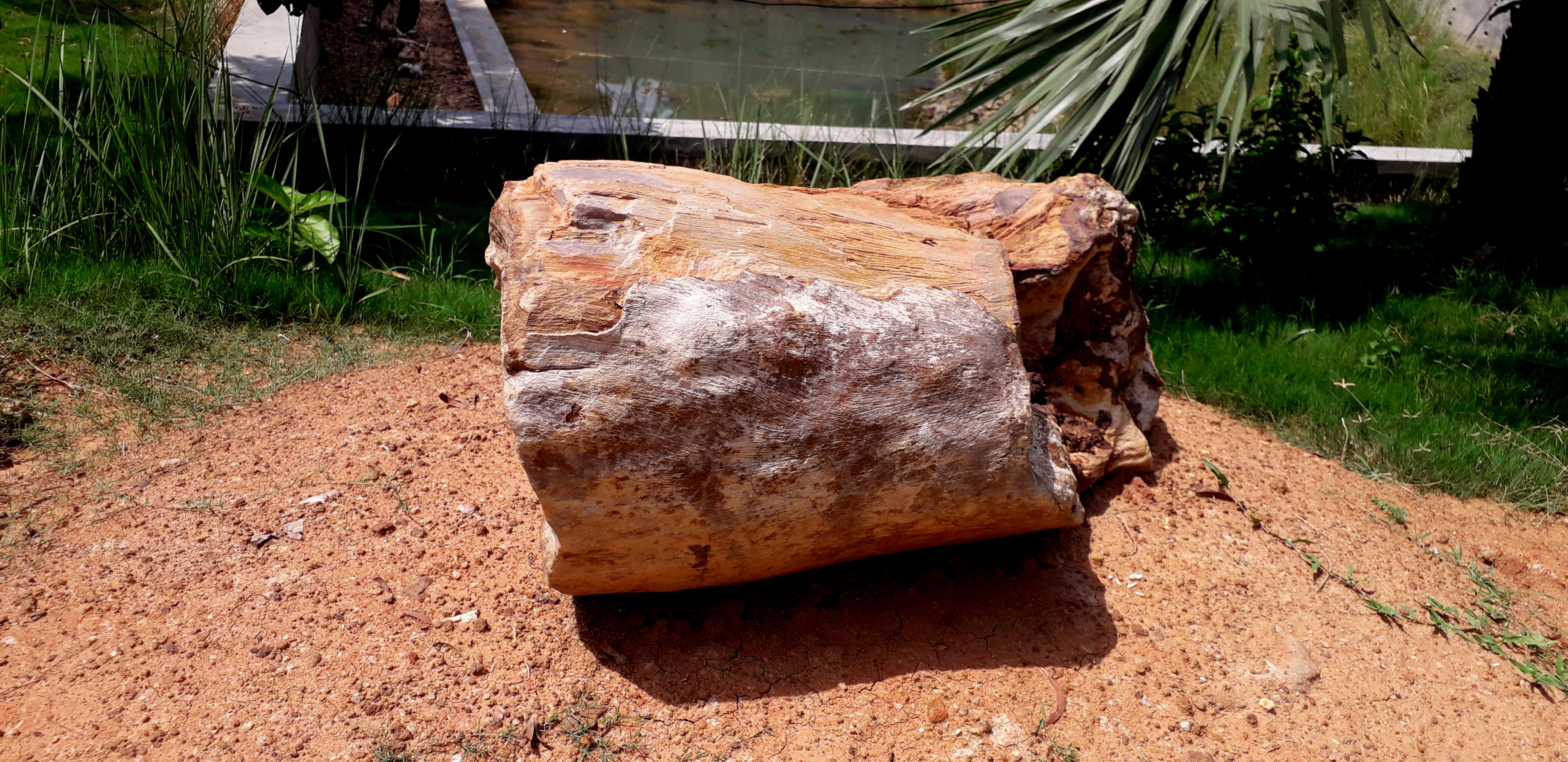
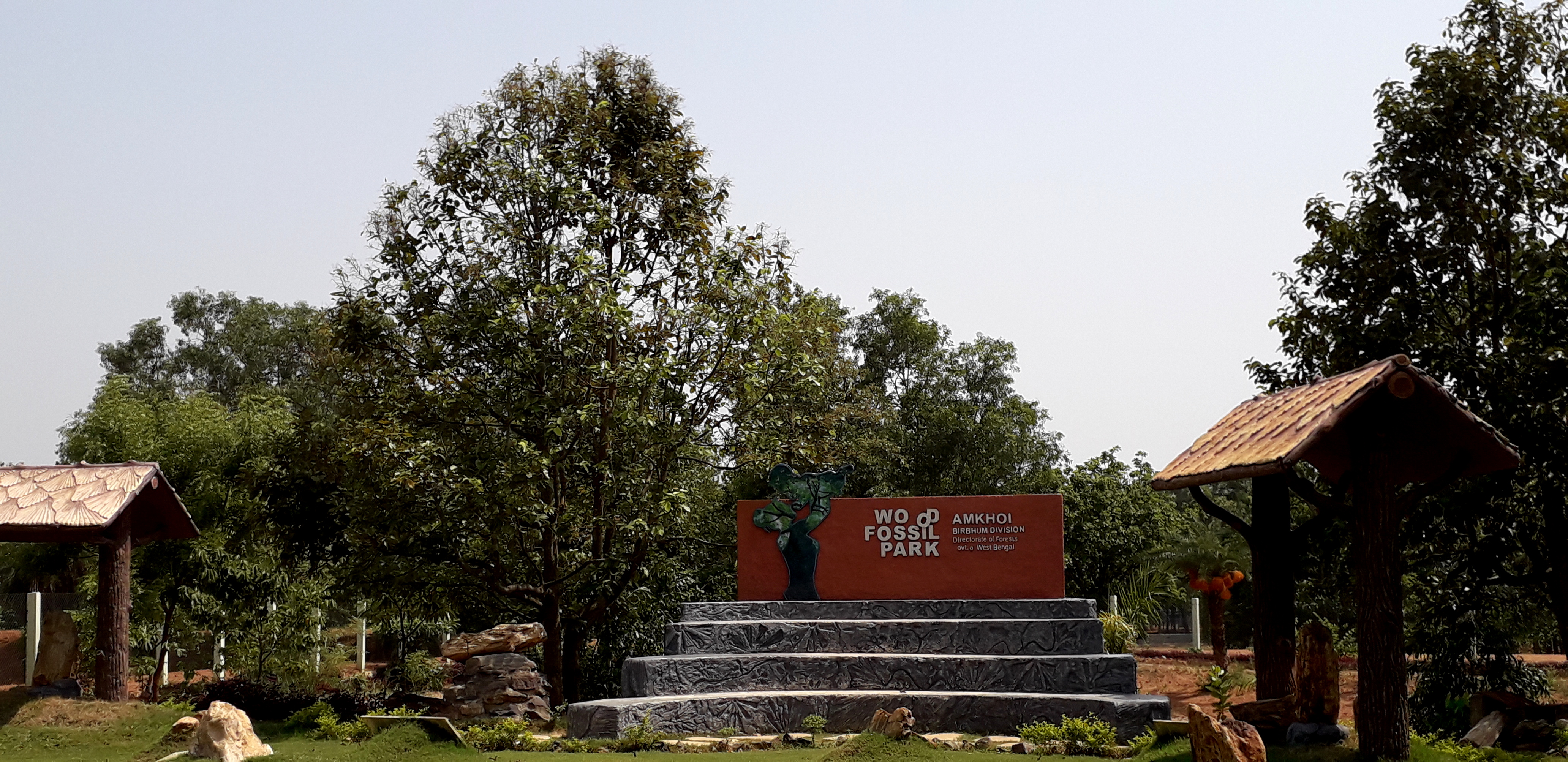
Few families and genera of the past forest of south West Bengal were identified by scientists. Dipterocarpacea, Anacardiacea, Combretacea and Leguminosae are some of these. At the present time these families occur in this area. However, some genera are extinct here, but occur in the present dayforests of Western Ghats, Myanamar and Malaysia.
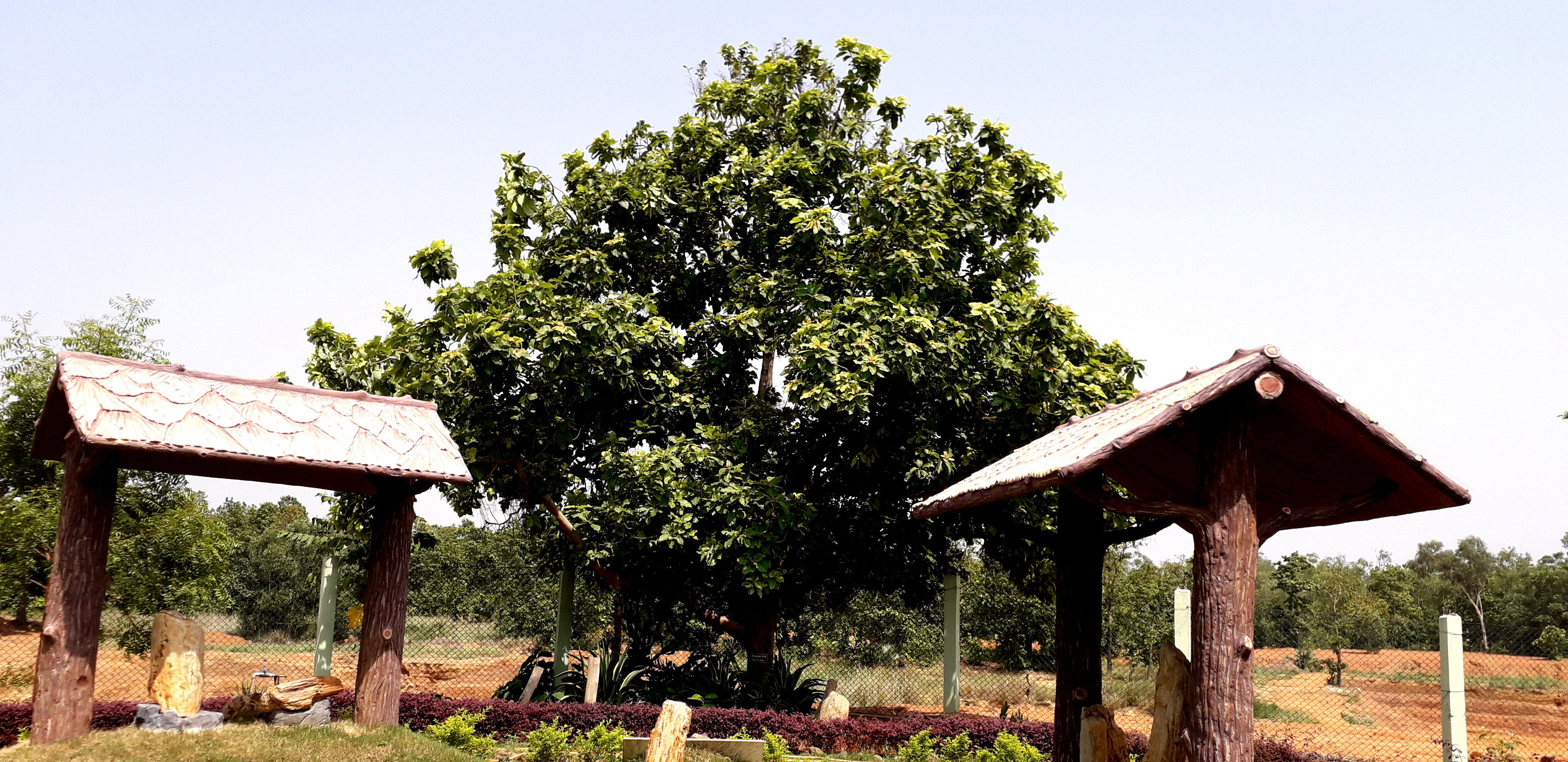
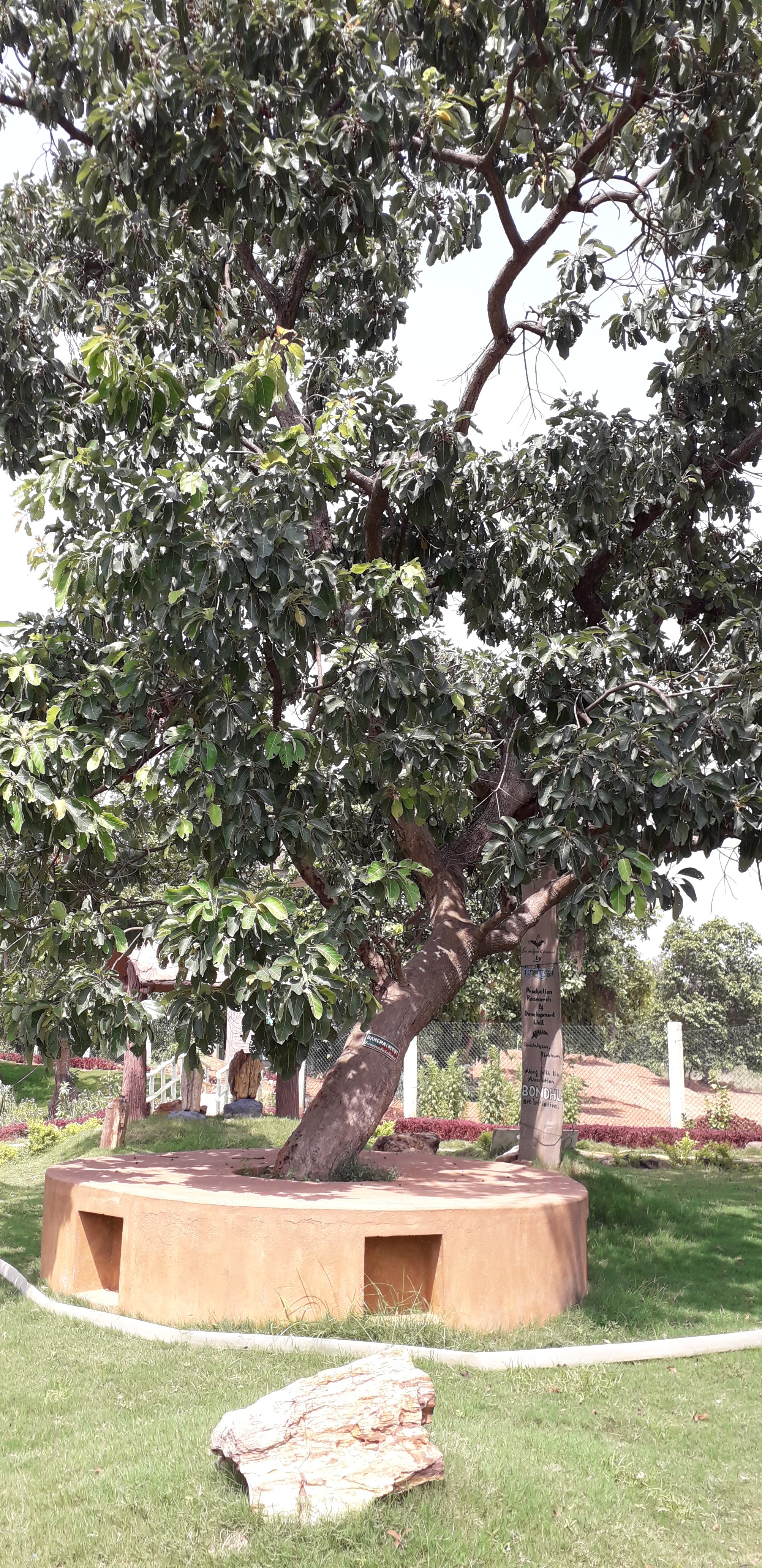
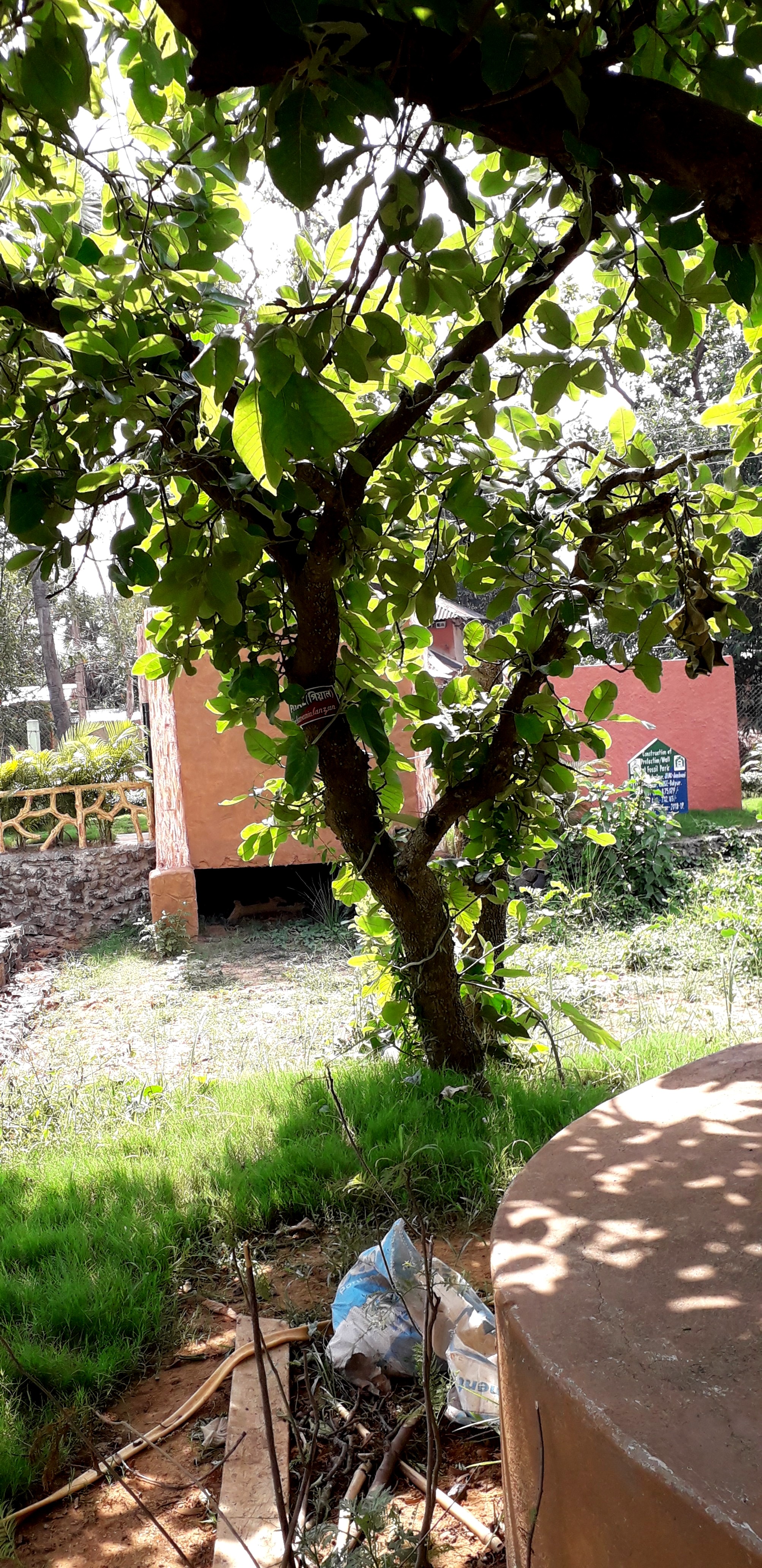
This past forest thrived in the uplands of Rajmahal Hills and Chotanagpur Plateau at the North West of Birbhum. It is presumed that the trees were carried by occasional floods of the river system flowing from North West of the river basin towards South East in Birbhum, Bardhaman, Bankura and Medinipur Districts and deposited under find sand and clay gradually to transform into wood fossils. The petrified woods are found in two different laterite beds. This is a pioneering effort of West Bengal Forest Department in preserving the priceless fossils woods and to educate people about the natural heritage of West Bengal.
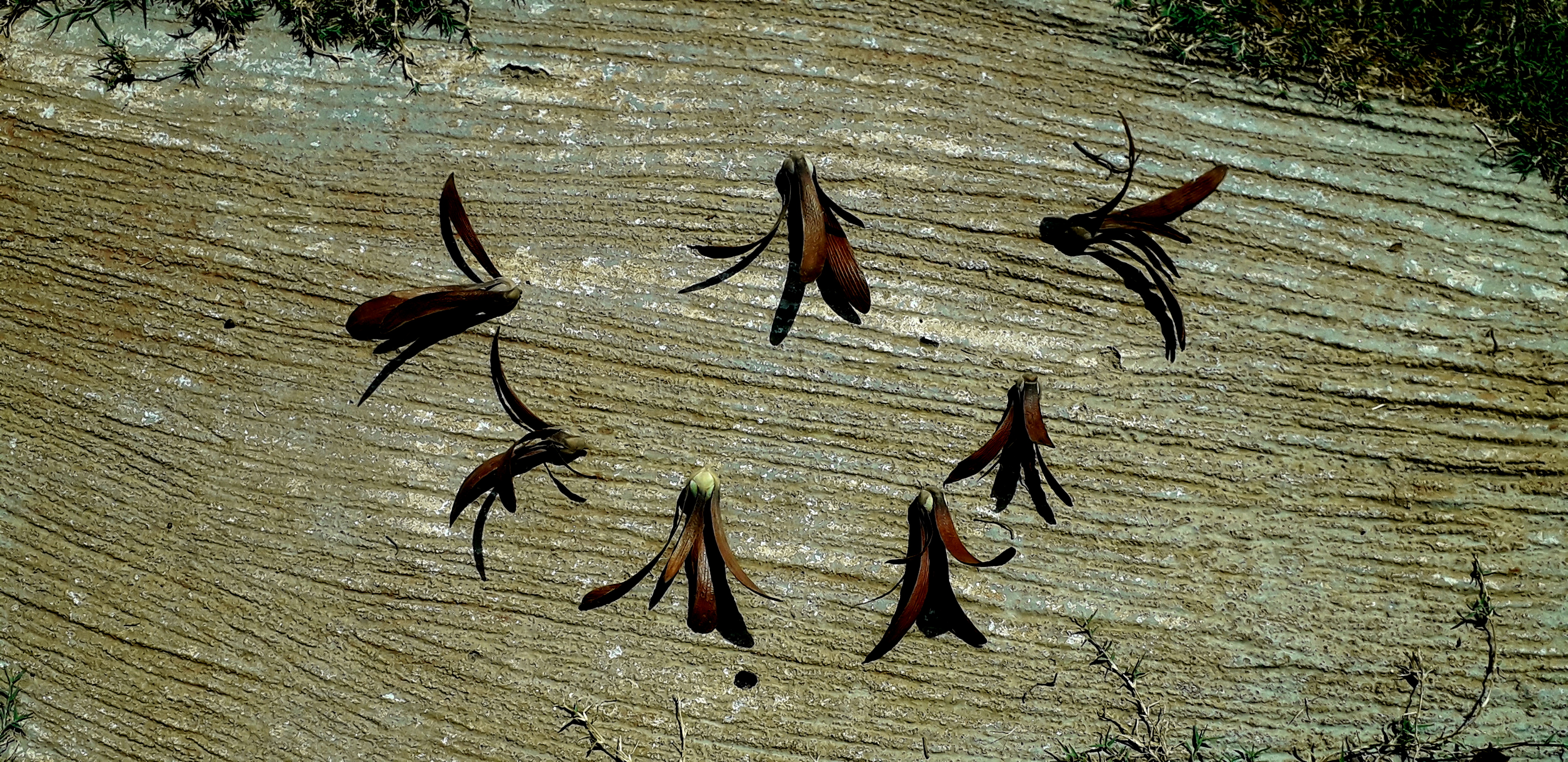

Here first I have seen Mahua Flower and Bahera Fruit in my life .Am thankful to this place for preserving such deciduous trees .
This place is still quite unfamiliar to the tourists .So here I drop the link of the route for the convenience to chalk out your plan for the spot .
https://www.google.com/maps/dir/Bolpur,+West+Bengal,+India/Wood+Fossil+Park,+Lakshmipur,+West+Bengal
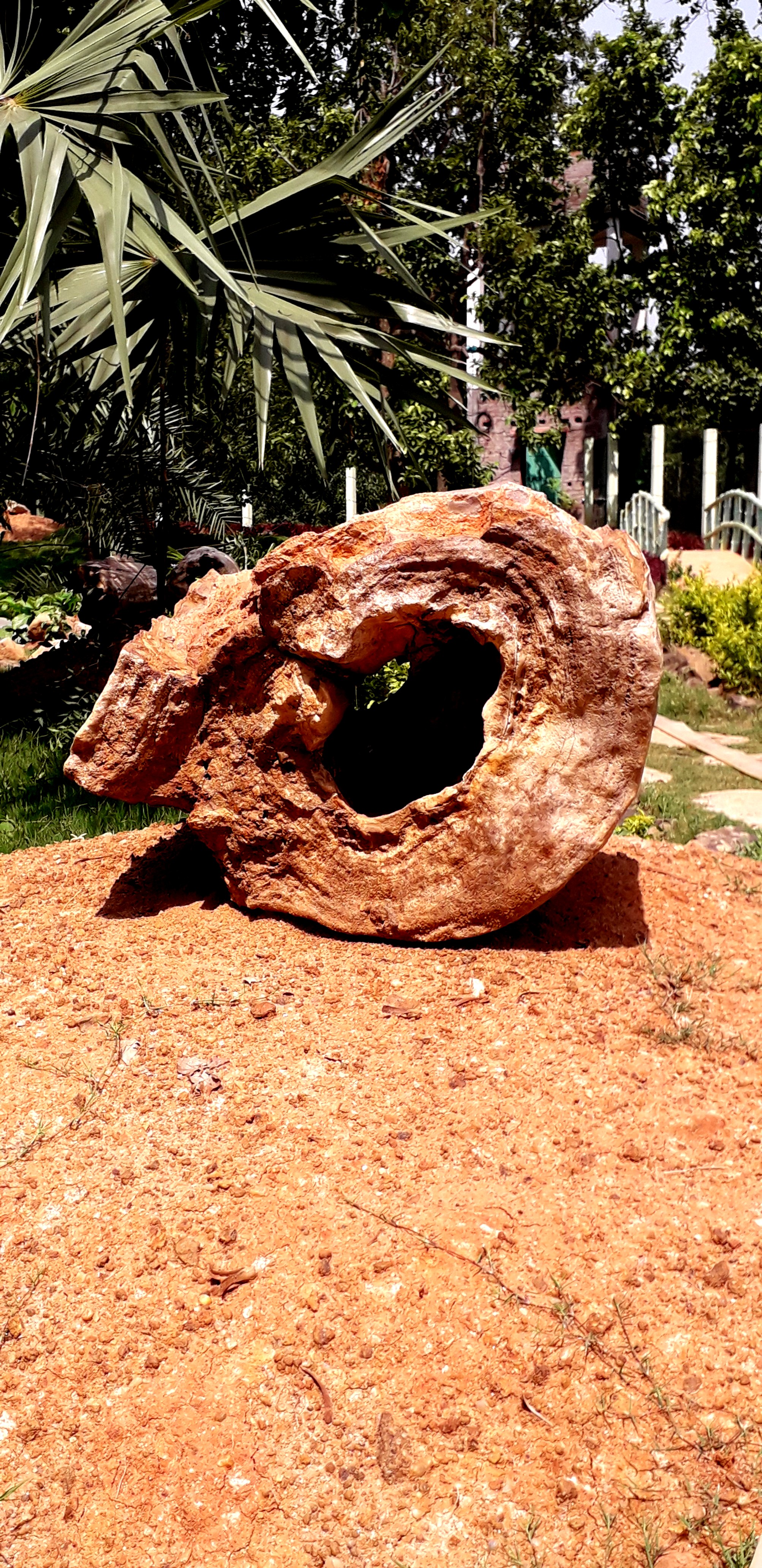
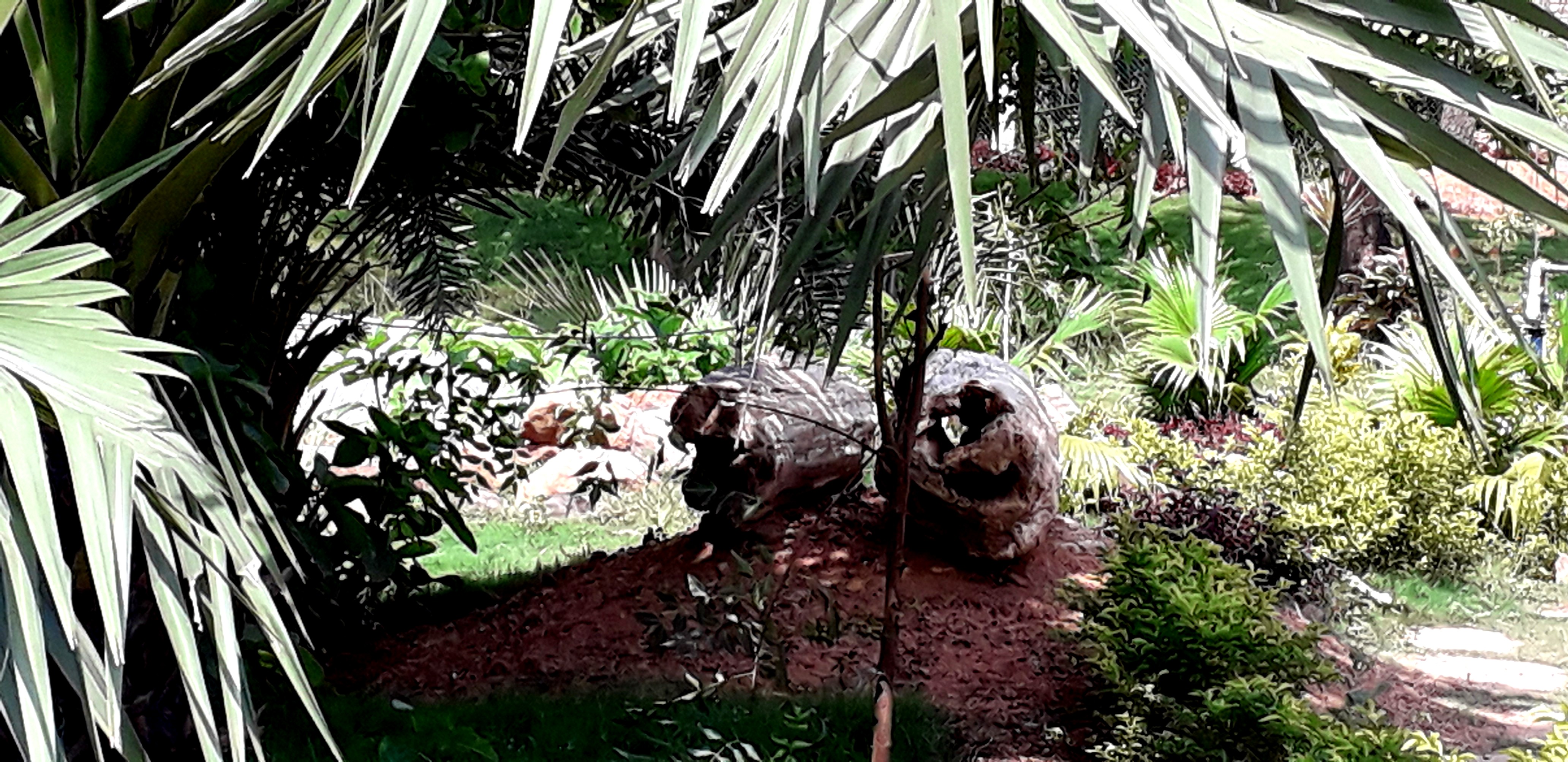
The spot is yet to be completed . Construction process is still going on . However , this is a beautiful place in the lap of mother nature . A day’s outing is perfect for this place .
 TRAVEL AND EXPLORE